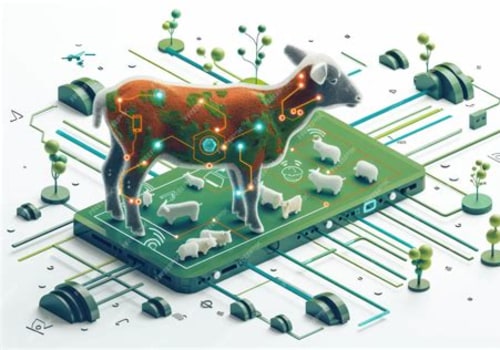
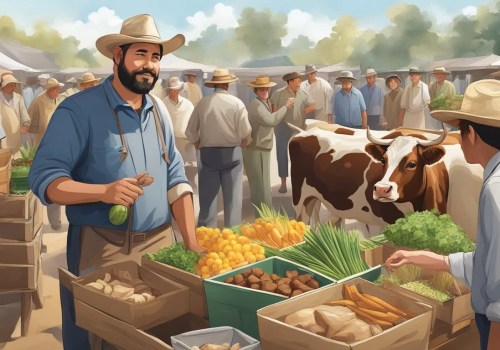
In the competitive landscape of agriculture, livestock marketing plays a pivotal role in ensuring that farmers and ranchers can effectively reach their target audiences. Understanding the nuances of this field is essential for anyone involved in the production and sale of livestock. The process encompasses not just the sale of animals but also the strategic promotion of their unique qualities, which can significantly influence consumer choices. As such, a well-crafted marketing strategy is vital for maximizing profits and establishing a reputable presence in the market. The importance of livestock marketing extends beyond mere transactions; it is about building a brand that resonates with consumers.
A strong brand in livestock marketing can differentiate a producer's offerings from competitors, fostering loyalty and trust among buyers. This is particularly crucial in an era where consumers are increasingly interested in the origins of their food and the ethical practices behind livestock production. By effectively communicating their values and quality, producers can create a compelling narrative that attracts customers. Moreover, livestock branding involves more than just a logo or a catchy slogan; it encompasses the entire experience that consumers have with a product. From the way animals are raised to how they are marketed, every touchpoint contributes to the overall perception of the brand.
As we delve deeper into the key elements of a strong brand in livestock marketing, it becomes clear that understanding these foundational aspects is essential for success in today’s agricultural marketplace.
Defining Your Brand Identity
Defining a unique brand identity is crucial in the competitive landscape of livestock marketing. A strong brand identity not only differentiates your business from competitors but also builds trust and loyalty among your target audience. To create a compelling brand identity, consider the following key elements:- Mission Statement: Your mission statement should clearly articulate the purpose of your livestock business. It should reflect what you stand for and what you aim to achieve.
For example, if your focus is on sustainable farming practices, your mission statement could emphasize your commitment to environmental stewardship.
- Core Values: Identify the core values that guide your operations and decision-making. These values should resonate with your target audience and reflect the principles that set your brand apart. Common values in livestock marketing include animal welfare, quality, sustainability, and community engagement.
- Visual Identity: Your visual identity encompasses your logo, color scheme, and overall design aesthetic. These elements should be consistent across all marketing materials to create a cohesive brand image.
A well-designed logo can convey professionalism and reliability, which are essential in building trust with customers.
- Brand Voice: Establishing a distinct brand voice is vital for effective communication. Whether your tone is friendly, authoritative, or educational, it should align with your brand values and resonate with your audience. Consistency in messaging helps reinforce your brand identity.
Creating a Memorable Brand Name and Logo
In the competitive world of livestock marketing, a strong brand name and logo are essential for standing out in the marketplace.These elements not only represent your business but also convey your values, mission, and the quality of your livestock. A memorable brand name can create an emotional connection with your audience, while a well-designed logo serves as a visual anchor for your brand identity.
Choosing a Brand Name
When selecting a brand name, consider the following tips:- Keep it Simple: A short, easy-to-pronounce name is more likely to be remembered.
- Reflect Your Values: Choose a name that embodies the essence of your livestock business, whether it’s quality, tradition, or innovation.
- Avoid Trends: Opt for a timeless name that won’t become outdated as market trends change.
- Check Availability: Ensure that the name is not already in use and that a suitable domain is available for your online presence.
Designing Your Logo
Your logo is often the first impression potential customers will have of your brand. Here are some key considerations for effective logo design:- Be Unique: A distinctive logo helps differentiate your brand from competitors in the livestock marketing space.
- Use Relevant Imagery: Incorporate elements that reflect livestock or farming to immediately communicate what your business is about.
- Choose Colors Wisely: Colors evoke emotions; earthy tones may suggest reliability and tradition, while brighter colors can convey energy and innovation.
- Ensure Versatility: Your logo should look good on various mediums, from business cards to large banners.
Establishing Trust and Credibility
In the competitive landscape of livestock marketing, establishing trust and credibility is paramount for success.Customers are more likely to engage with brands that they perceive as reliable and transparent. Here are some key strategies to build trust with your audience:
- Transparency: Being open about your practices, sourcing, and production processes can significantly enhance your brand's credibility. Share information about how your livestock is raised, fed, and cared for. This not only informs customers but also reassures them about the quality of your products.
- Quality Assurance: Implementing rigorous quality control measures is essential in livestock marketing.
Ensure that your livestock meets industry standards and certifications. Displaying these certifications prominently on your website and marketing materials can instill confidence in potential buyers.
- Customer Testimonials: Leverage the power of social proof by showcasing testimonials from satisfied customers. Positive reviews and case studies can serve as powerful endorsements of your brand's reliability. Consider creating a dedicated section on your website for customer stories that highlight their experiences with your livestock.
- Engagement: Actively engaging with your customers through social media platforms can foster a sense of community and trust.
Respond to inquiries promptly, address concerns, and share valuable content related to livestock care and management.
Effective Communication Strategies
In the competitive world of livestock marketing, effective communication strategies are essential for building a strong brand and engaging customers. By utilizing various channels and techniques, businesses can enhance their visibility and foster lasting relationships with their audience.1.Utilize Social Media Platforms
- Social media platforms like Facebook, Instagram, and Twitter provide an excellent opportunity to showcase livestock products and connect with potential customers.
- Regularly posting engaging content, such as videos of livestock in their natural environment or behind-the-scenes looks at farm operations, can humanize your brand and attract attention.
2.Create Informative Content
- Developing blog posts, articles, or newsletters that educate your audience about livestock care, breeding techniques, or market trends can position your brand as a trusted authority in the industry.
- Consider incorporating customer testimonials and success stories to build credibility and trust.
3.Leverage Email Marketing
- Email marketing remains a powerful tool for direct communication with customers. Regular newsletters can keep your audience informed about new products, promotions, and industry news.
- Personalizing emails based on customer preferences can significantly increase engagement rates.
4.Engage in Community Events
- Participating in local fairs, agricultural shows, or community events allows you to interact face-to-face with potential customers.
This personal touch can enhance brand loyalty.
- Consider hosting workshops or informational sessions to educate the community about livestock management practices.
5.Foster Two-Way Communication
- Encouraging feedback from customers through surveys or social media interactions can provide valuable insights into their needs and preferences.
- This two-way communication not only helps improve your offerings but also makes customers feel valued and heard.
Leveraging Digital Marketing Tools
In the realm of livestock marketing, leveraging digital marketing tools is essential for building a strong brand presence. With the rise of technology, traditional marketing methods are being complemented—and often replaced—by innovative online strategies that can reach a broader audience.Social Media Platforms
- Social media platforms like Facebook, Instagram, and Twitter provide an excellent opportunity for livestock producers to showcase their animals and operations. Engaging content such as videos, photos, and live streams can create a personal connection with potential buyers.
- Utilizing targeted ads on these platforms allows brands to reach specific demographics interested in livestock, enhancing the effectiveness of marketing efforts.
Building an Online Brand
- A well-designed website serves as the cornerstone of your online branding. It should reflect your brand's values and mission while providing essential information about your livestock, including breed details, health certifications, and pricing.
- Incorporating a blog into your website can further establish your authority in the industry.
Sharing insights on livestock care, market trends, and success stories can attract visitors and convert them into loyal customers.
Email Marketing
- Email marketing remains a powerful tool for maintaining relationships with existing customers and reaching out to potential buyers. Regular newsletters can keep your audience informed about new arrivals, promotions, and upcoming events.
- Personalized emails that cater to the interests of your recipients can significantly increase engagement rates and drive sales.
Building a Community Around Your Brand
In the realm of livestock marketing, building a community around your brand is essential for fostering customer loyalty and enhancing engagement. A strong community not only supports your brand but also creates a network of advocates who can amplify your message.To effectively build this community, consider the following strategies:- Engage on Social Media: Utilize platforms like Facebook, Instagram, and Twitter to connect with your audience.
Share valuable content, such as tips on livestock care, success stories from customers, and behind-the-scenes looks at your operations. Encourage interaction by asking questions and responding promptly to comments.
- Create Educational Content: Develop resources that educate your audience about livestock management, market trends, and best practices. This could include blog posts, webinars, or downloadable guides. By positioning your brand as a knowledgeable resource, you build trust and credibility.
- Host Events: Organize local events or virtual meetups where customers can share their experiences and learn from one another.
These gatherings foster a sense of belonging and strengthen the bond between your brand and its community.
- Encourage User-Generated Content: Invite customers to share their own stories and experiences with your products. This not only provides authentic testimonials but also makes customers feel valued and part of the brand narrative.
- Implement Loyalty Programs: Reward loyal customers with exclusive offers or discounts. A well-structured loyalty program can incentivize repeat purchases while reinforcing the idea that your brand appreciates its community members.
Measuring Brand Success in Livestock Marketing
Measuring the success of your brand in livestock marketing is crucial for understanding its impact and effectiveness.By utilizing various metrics and feedback mechanisms, you can gain valuable insights into how your branding efforts resonate with your target audience.
Key Metrics for Evaluating Brand Success
- Brand Awareness: This metric gauges how well your brand is recognized within the livestock community. Surveys and social media analytics can help track awareness levels.
- Customer Engagement: Monitor interactions on social media platforms, website visits, and email open rates. High engagement often indicates a strong connection with your audience.
- Sales Performance: Analyze sales data before and after implementing branding strategies. An increase in sales can be a direct indicator of successful branding.
- Customer Feedback: Collect qualitative data through surveys or focus groups to understand customer perceptions of your brand.
This feedback can highlight strengths and areas for improvement.
Utilizing Analytics Tools
Incorporating analytics tools can streamline the process of measuring brand success. Platforms like Google Analytics provide insights into website traffic, user behavior, and conversion rates, allowing you to assess the effectiveness of your livestock marketing strategies.The Importance of Continuous Evaluation
Branding is not a one-time effort; it requires ongoing evaluation and adjustment. Regularly reviewing your metrics will help you stay aligned with market trends and customer preferences. By adapting your strategies based on data-driven insights, you can enhance your brand's presence in the competitive landscape of livestock marketing.Ultimately, a comprehensive approach to measuring brand success will empower you to make informed decisions that drive growth and strengthen your position in the livestock industry.FAQs About Livestock Branding and Marketing
When it comes to livestock marketing, understanding the nuances of branding can significantly impact your success.Here are some frequently asked questions that can help clarify important aspects of livestock branding and marketing.
What is livestock branding?
Livestock branding refers to the practice of marking animals to identify ownership and breed. However, in a broader sense, it encompasses the creation of a unique identity for your livestock business, including your logo, messaging, and overall market presence.Why is branding important in livestock marketing?
A strong brand helps differentiate your products in a competitive market. It builds trust with consumers, enhances recognition, and can lead to customer loyalty. Effective branding can also communicate the quality and values of your livestock operation.What are some common questions about livestock marketing?
- How do I choose the right branding elements? Consider your target audience and what resonates with them.
Your logo, color scheme, and messaging should reflect the values and quality of your livestock.
- What platforms should I use for marketing? Utilize social media, websites, and local agricultural fairs to promote your brand. Each platform has its unique audience that can help expand your reach.
- How can I measure the effectiveness of my branding? Track engagement metrics on social media, website traffic, and sales data to assess how well your branding resonates with customers.
What are some branding tips for farmers?
- Be consistent: Ensure that all your marketing materials reflect a cohesive brand image.
- Tell your story: Share the history and values behind your farm to create an emotional connection with consumers.
- Engage with your audience: Use social media to interact with customers, answer questions, and showcase your livestock.