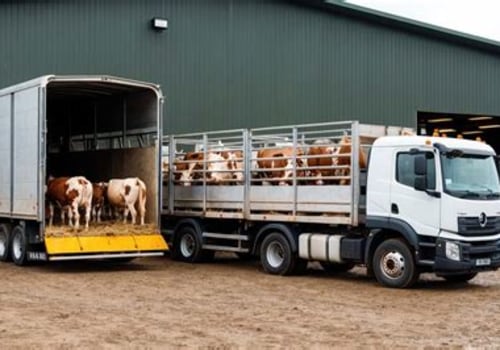
Livestock marketing is a critical component of the agricultural economy, serving as the bridge between producers and consumers. It encompasses a range of activities, from the sale of animals to the promotion of livestock products, and plays a vital role in determining the profitability of farming operations. Understanding livestock marketing is essential for farmers, ranchers, and stakeholders in the agricultural sector, as it directly influences their economic viability and sustainability. The importance of livestock marketing cannot be overstated. It not only affects the income of producers but also impacts food supply chains and consumer prices.
Effective marketing strategies can enhance the visibility of livestock products, ensuring that they reach the right markets at optimal prices. Moreover, as consumer preferences evolve, adapting marketing approaches becomes crucial for maintaining competitiveness in a dynamic marketplace. As we delve deeper into this topic, it is essential to recognize that government policies and regulations play a significant role in shaping the landscape of livestock marketing. From trade agreements to health regulations, these policies can either facilitate or hinder market access for livestock producers. Understanding how these regulations impact marketing strategies will provide valuable insights into navigating the complexities of the livestock industry.
Overview of Government Policies Affecting Agriculture
Government policies and regulations play a crucial role in shaping the landscape of livestock marketing.These policies can influence everything from production practices to market access, ultimately affecting the profitability and sustainability of livestock operations.One of the primary ways government policies impact agriculture is through subsidies and incentives. These financial supports can help farmers manage costs associated with feed, veterinary care, and infrastructure improvements. For instance, programs that subsidize feed costs can enable livestock producers to maintain competitive pricing in the market, thereby enhancing their ability to sell livestock profitably.Additionally, regulatory frameworks concerning food safety and animal welfare are critical. Regulations set by agencies such as the USDA and FDA ensure that livestock products meet safety standards, which can affect consumer confidence and demand.
Compliance with these regulations often requires investments in facilities and practices that can be costly for producers but are essential for maintaining market access.
Trade Policies
- Tariffs: Tariffs on imported livestock products can protect domestic producers from foreign competition, potentially increasing local market prices.
- Trade Agreements: Conversely, trade agreements can open new markets for U.S. livestock, allowing producers to expand their reach and increase sales.
These regulations not only shape the operational landscape but also influence market dynamics, consumer behavior, and ultimately the success of livestock producers.
Key Regulations Impacting Livestock Marketing
Government policies and regulations play a crucial role in shaping the landscape of livestock marketing. Understanding these regulations is essential for producers, marketers, and consumers alike. Here are some key regulations that directly impact livestock marketing:- Trade Laws: Trade laws govern the import and export of livestock and livestock products. These laws can affect market access for producers, influencing prices and availability.
For instance, tariffs and quotas can restrict the flow of livestock across borders, impacting domestic supply and demand.
- Health Regulations: Health regulations are critical in ensuring the safety of livestock products. The U.S. Department of Agriculture (USDA) enforces various health standards that must be met before livestock can be marketed. Compliance with these regulations is essential to prevent disease outbreaks that could devastate herds and disrupt markets.
- Pricing Policies: Government pricing policies can also influence livestock marketing.
Programs such as price supports or subsidies can stabilize income for producers, encouraging them to maintain or increase production levels. Conversely, changes in these policies can lead to market volatility.
- Animal Welfare Standards: Increasingly, regulations surrounding animal welfare are becoming a significant factor in livestock marketing. Producers must adhere to specific welfare standards to meet consumer expectations and avoid penalties. This can affect how livestock is raised, transported, and marketed.
Stakeholders must stay informed about these regulations to navigate the market effectively and ensure compliance while maximizing their opportunities in the livestock trade.
Economic Implications of Government Policies on Livestock Marketing
Government policies play a crucial role in shaping the economic landscape of livestock marketing. These policies can directly influence pricing structures, supply and demand dynamics, and overall market access for livestock producers.Pricing Structures
- Regulations regarding subsidies and tariffs can significantly affect the prices that producers receive for their livestock. For instance, government subsidies may lower production costs, allowing farmers to sell their livestock at more competitive prices.
- Conversely, tariffs on imported livestock can protect domestic producers by reducing competition, potentially leading to higher prices for local livestock.
Supply and Demand Dynamics
- Government policies that promote sustainable farming practices can lead to increased consumer demand for ethically raised livestock. This shift can create new market opportunities for producers who adapt to these regulations.
- On the other hand, stringent regulations may limit production capabilities, leading to reduced supply in the market.
This imbalance can drive prices up, impacting both producers and consumers.
Market Access
- Trade agreements and export regulations are vital in determining how easily livestock producers can access international markets. Favorable trade policies can open new avenues for sales, while restrictive policies may hinder growth.
- Additionally, local zoning laws and health regulations can affect where livestock can be marketed, influencing the overall accessibility of markets for producers.
Case Studies: Government Policies in Action
Understanding the impact of government policies on livestock marketing can be best illustrated through specific case studies that highlight both positive and negative outcomes. These examples provide valuable insights into how regulations shape market dynamics.Case Study 1: The U.S.
Cattle Industry and the Beef Quality Assurance ProgramIn the early 2000s, the U.S. Department of Agriculture (USDA) implemented the Beef Quality Assurance (BQA) program aimed at improving beef quality and safety. This initiative encouraged producers to adopt best management practices, which not only enhanced product quality but also increased consumer confidence. As a result, producers who participated in the BQA program reported a significant uptick in livestock marketing success, with higher prices for their cattle due to improved quality perceptions.
Case Study 2: The European Union's CAP and Sheep Farming
The Common Agricultural Policy (CAP) of the European Union has had profound effects on sheep farming and livestock marketing across member states.By providing direct payments to farmers based on land area and livestock numbers, CAP has incentivized sheep production in regions like Wales and Scotland. Farmers have leveraged these subsidies to enhance their marketing strategies, focusing on premium products such as organic lamb, which has seen increased demand in both local and international markets.
Case Study 3: Trade Policies and Export Markets
The recent trade agreements between the United States and various countries have opened new markets for American livestock producers. For instance, the US-Mexico-Canada Agreement (USMCA) has facilitated smoother trade flows for beef and pork exports. Producers have adapted their livestock marketing strategies to target these international markets, resulting in increased sales and profitability.However, fluctuations in trade policies can also pose risks, as seen during tariff disputes that temporarily disrupted export channels.These case studies illustrate that government policies can significantly influence livestock marketing, shaping everything from production practices to market access. By analyzing these real-world examples, stakeholders can better navigate the complexities of livestock marketing in a regulated environment.
Challenges Faced by Livestock Marketers Due to Regulations
Livestock marketing is significantly influenced by a variety of government policies and regulations, which can create numerous challenges for marketers in the industry. These challenges often stem from compliance requirements, market access restrictions, and fluctuating regulatory landscapes.Compliance Requirements
- Marketers must adhere to strict health and safety standards, which can vary by state and federal regulations. This often requires additional investments in infrastructure and training.
- Documentation and traceability requirements can complicate transactions, leading to delays and increased costs for livestock marketers.
Market Access Restrictions
- Trade barriers imposed by government policies can limit access to lucrative markets, particularly for exporters.
Tariffs and quotas can make it difficult for livestock marketers to compete internationally.
- Local regulations may restrict the types of livestock that can be sold or the methods of marketing, further constraining options for marketers.
Fluctuating Regulatory Landscapes
- The ever-changing nature of agricultural regulations can create uncertainty in the market. Marketers must stay informed about new laws and adapt their strategies accordingly.
- This unpredictability can deter investment in livestock marketing ventures, as potential investors may view regulatory risks as too high.
Future Trends in Livestock Marketing and Policy Changes
The landscape of livestock marketing is poised for significant transformation as we look toward the future.Several emerging trends and anticipated government policies are likely to shape the industry in the coming years.
Technological Advancements
One of the most notable trends is the integration of technology in livestock marketing. Innovations such as blockchain for traceability, artificial intelligence for market analysis, and mobile applications for real-time pricing are becoming increasingly prevalent. These technologies not only enhance transparency but also improve efficiency in transactions, allowing producers to make informed decisions quickly.Shifts in Consumer Preferences
As consumers become more health-conscious and environmentally aware, there is a growing demand for sustainably sourced livestock products. This shift is prompting producers to adapt their marketing strategies to highlight animal welfare and sustainable practices.Government policies that support organic farming and sustainable practices will further influence these trends.
Upcoming Agricultural Policies
- Subsidies and Support Programs: Anticipated changes in subsidies may encourage farmers to diversify their livestock offerings or invest in sustainable practices.
- Trade Agreements: New trade agreements could open up international markets for U.S. livestock, impacting pricing and availability.
- Regulatory Changes: Stricter regulations on animal health and safety may require producers to invest in better facilities and practices, affecting overall marketing strategies.
FAQs About Government Policies and Livestock Marketing
Understanding the relationship between government policies and livestock marketing is crucial for producers, traders, and consumers alike. Here are some frequently asked questions that shed light on this intersection:- How do government regulations affect livestock prices?
Government regulations can significantly influence livestock prices through various mechanisms, including import/export tariffs, health and safety standards, and subsidies.For instance, stricter health regulations may limit supply, potentially driving prices up.
- What role do subsidies play in livestock marketing?
Subsidies can provide financial support to livestock producers, making it easier for them to market their products competitively. These financial incentives can help stabilize prices and encourage production, ultimately benefiting consumers. - Are there specific policies that impact international livestock trade?
Yes, international trade agreements and tariffs directly affect livestock marketing. Policies that promote free trade can enhance market access for producers, while protectionist measures may restrict exports and imports, impacting overall market dynamics. - How do animal welfare regulations influence marketing strategies?
Increasingly stringent animal welfare regulations can shape marketing strategies by necessitating compliance with humane treatment standards. Producers may need to adapt their practices to meet these regulations, which can also serve as a marketing point to attract consumers who prioritize ethical sourcing. - What are the implications of environmental policies on livestock marketing?
Environmental policies aimed at reducing greenhouse gas emissions or promoting sustainable practices can impact livestock production methods.This shift may lead to changes in consumer preferences and demand for sustainably raised livestock products.