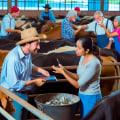
In today's fast-paced digital landscape, livestock marketing has transformed significantly, moving beyond traditional methods to embrace the vast potential of social media. Farmers and ranchers are now leveraging platforms like Facebook, Instagram, and Twitter to connect with consumers, showcase their products, and build a brand presence that resonates with a broader audience. This shift not only enhances visibility but also fosters a community around livestock products, allowing producers to engage directly with their customers. The evolution of digital marketing for farmers has opened new avenues for promoting livestock. With the ability to share high-quality images, videos, and stories about their animals and farming practices, producers can create compelling narratives that attract potential buyers.
Social media serves as a powerful tool for storytelling, enabling farmers to highlight the quality and care that goes into raising their livestock, which can significantly influence purchasing decisions. Moreover, the interactive nature of social media allows for real-time feedback and engagement. Farmers can respond to inquiries, address concerns, and even conduct polls to understand consumer preferences better. This level of interaction not only builds trust but also helps in tailoring marketing strategies to meet the demands of the market. As we delve deeper into the strategies for using social media effectively in livestock marketing, it becomes clear that embracing these digital tools is no longer optional but essential for success in the modern agricultural landscape.
Choosing the Right Social Media Platforms for Livestock Marketing
When it comes to livestock marketing, selecting the right social media platforms is crucial for reaching your target audience effectively.Each platform has its unique demographics and features that can either enhance or hinder your marketing efforts.
Utilizing features like Stories and Reels can help you engage with your audience in a more dynamic way. This platform is ideal for farmers who want to build a brand identity and connect with younger consumers.
YouTube
If you’re looking to provide in-depth information about your livestock products, YouTube is the go-to platform.Creating informative videos about animal care, breeding practices, or product showcases can help establish your authority in the field. Additionally, video content tends to have higher engagement rates, making it an effective tool for livestock marketing.
Creating Engaging Content to Showcase Your Livestock Products
To effectively promote and sell your livestock products, creating engaging content is essential.This content should not only showcase your livestock but also tell a story that resonates with your audience. Here are some ideas to help you craft compelling posts:
- High-Quality Photos: Capture stunning images of your livestock in their natural environment. Use good lighting and angles to highlight their health and beauty. Consider seasonal themes, such as showcasing newborns in spring or showcasing your herd during the fall.
- Behind-the-Scenes Videos: Share short videos that provide a glimpse into daily farm life.
This could include feeding routines, veterinary check-ups, or even the process of preparing for market day. Such content humanizes your brand and builds trust with potential customers.
- Success Stories: Feature testimonials from satisfied customers who have purchased your livestock products. Share their experiences and how your products have positively impacted their operations.
- Educational Posts: Create informative content that educates your audience about livestock care, breeding practices, or the benefits of different breeds. This positions you as an expert in the field and encourages engagement.
Infographics that explain livestock nutrition or breeding cycles can be shared across platforms to attract attention. Additionally, consider using live streams to engage with your audience in real-time, allowing them to ask questions and interact directly with you. Lastly, don’t forget to use relevant hashtags and geotags to increase the visibility of your posts. Engaging with comments and messages promptly will also foster a community around your brand, making it easier for you to promote and sell your livestock products effectively.
Building a Strong Brand Presence on Social Media
Establishing a recognizable brand identity on social media is crucial for livestock marketing. A strong brand presence not only helps you stand out in a competitive market but also builds trust with your audience.Here are some effective strategies to enhance your branding for farmers:
- Define Your Brand Values: Start by identifying what your farm stands for. Are you focused on sustainability, quality, or traditional farming methods? Clearly articulating these values will help you connect with like-minded customers.
- Create a Consistent Visual Identity: Use consistent colors, logos, and imagery across all your social media platforms. This visual consistency reinforces your brand and makes it easily recognizable.
- Engage with Your Audience: Social media is a two-way street. Respond to comments, ask questions, and encourage feedback.
Engaging with your audience fosters a sense of community and loyalty.
- Share Authentic Content: Post behind-the-scenes photos and videos of your livestock and farming practices. Authentic content resonates more with consumers and showcases the quality of your products.
- Utilize Storytelling: Share stories about your farm, the animals, and the people behind the scenes. Storytelling can create an emotional connection with your audience, making them more likely to support your brand.
This not only provides social proof but also expands your reach as their followers discover your brand.Finally, monitor your brand's performance on social media through analytics tools. Understanding which posts resonate most with your audience allows you to refine your strategy and enhance your branding efforts over time.
Engaging with Your Audience: Building Relationships and Trust
In the realm of livestock marketing, engaging with your audience is crucial for building lasting relationships and fostering trust. Farmers can leverage social media platforms to create a community around their products, which not only enhances visibility but also encourages customer loyalty.Engagement Strategies for Farmers
- Respond Promptly: Make it a priority to reply to comments and messages quickly. This shows your audience that you value their input and are attentive to their needs.
- Share Behind-the-Scenes Content: Give your followers a glimpse into your daily operations.
Sharing stories about animal care, feeding routines, and farm life can humanize your brand and create a connection.
- Host Q&A Sessions: Use live videos or posts to answer questions from your audience. This not only provides valuable information but also positions you as an expert in the field.
- Create Polls and Surveys: Engage your audience by asking for their opinions on various topics related to livestock. This can help you understand their preferences and tailor your offerings accordingly.
Building Trust Online
Trust is a cornerstone of successful livestock marketing. To build trust online, transparency is key.
Share testimonials from satisfied customers, showcase certifications, and be open about your farming practices. When potential buyers see that you are honest and reliable, they are more likely to choose your products over competitors.
Customer Relationships in Agriculture
Nurturing customer relationships goes beyond just selling products. Regularly update your followers with news about your farm, upcoming sales, or new livestock arrivals. Consider creating a newsletter that offers exclusive content or discounts to loyal customers.
By maintaining consistent communication, you reinforce the bond with your audience and encourage repeat business.Ultimately, effective engagement on social media not only promotes your livestock products but also cultivates a community of loyal customers who trust and support your brand.
Utilizing Paid Advertising to Boost Your Livestock Sales
In the competitive world of livestock marketing, utilizing paid advertising on social media can significantly enhance your reach and sales. By strategically investing in ads, farmers can target specific demographics, ensuring that their livestock products are seen by potential buyers who are genuinely interested.Choosing the Right Platform
- Facebook: With its vast user base, Facebook allows for detailed targeting options based on location, interests, and behaviors. This makes it an ideal platform for promoting livestock products to local buyers.
- Instagram: Known for its visual appeal, Instagram is perfect for showcasing high-quality images of your livestock. Engaging visuals can attract attention and drive interest in your products.
- Twitter: While not as visually driven, Twitter can be effective for real-time updates and promotions.
Use it to share news about upcoming sales or events related to your livestock.
Crafting Effective Ads
When creating ads, focus on clear and compelling messaging. Highlight the unique qualities of your livestock products, such as organic certification or superior breeding practices. Use high-resolution images or videos to capture attention and convey the quality of your offerings.
Setting a Budget
Determine a budget that aligns with your marketing goals. Start small to test different ad formats and audiences, then scale up based on what works best.
Many platforms offer tools to track the performance of your ads, allowing you to adjust your strategy as needed.
Engaging with Your Audience
Paid advertising should not be a one-way street. Engage with users who comment on your ads or share your posts. Building relationships with potential customers can lead to increased trust and loyalty, ultimately boosting sales.By leveraging paid advertising effectively, farmers can enhance their livestock marketing efforts, reaching a broader audience and driving sales in a competitive marketplace.
Analyzing Your Social Media Performance: Metrics That Matter
To effectively promote and sell your livestock products through social media, it is crucial to analyze your performance using specific metrics. Understanding these key performance indicators (KPIs) will help you gauge the success of your livestock marketing efforts and make informed decisions moving forward.- Engagement Rate: This metric measures how well your audience interacts with your content.
It includes likes, shares, comments, and overall interactions. A high engagement rate indicates that your content resonates with your audience, which is essential for building a loyal customer base.
- Reach and Impressions: Reach refers to the number of unique users who see your content, while impressions count how many times your content is displayed. Tracking these metrics helps you understand the visibility of your posts and whether they are reaching potential customers.
- Follower Growth: Monitoring the growth of your followers over time can provide insights into the effectiveness of your marketing strategies. A steady increase in followers suggests that your content is attracting interest and expanding your audience.
- Click-Through Rate (CTR): If you share links to your website or product pages, tracking the CTR will show how many users are clicking on those links.
A higher CTR indicates that your posts are compelling enough to drive traffic to your sales channels.
- Conversion Rate: Ultimately, the goal of social media marketing is to convert followers into customers. Measuring the conversion rate will help you understand how many social media interactions lead to actual sales of your livestock products.
Case Studies: Successful Livestock Marketing Campaigns on Social Media
In the realm of livestock marketing, social media has proven to be a game-changer for many farmers and ranchers. Here are some notable case studies that illustrate how effective social media campaigns can drive sales and enhance brand visibility.1.The Smith Family Farm
The Smith Family Farm, known for its organic beef, leveraged Instagram to showcase their farming practices and the quality of their products.By posting high-quality images of their cattle grazing in lush pastures, they created a visual narrative that resonated with health-conscious consumers. Their use of Instagram Stories to share behind-the-scenes content helped build a personal connection with their audience, resulting in a 40% increase in direct sales over six months.
2.Green Pastures Dairy
Green Pastures Dairy utilized Facebook to run targeted ads promoting their artisanal cheese products. They created engaging content that highlighted the unique flavors and health benefits of their cheeses, along with customer testimonials. By using Facebook's demographic targeting features, they reached local food enthusiasts and increased their online orders by 60% during the campaign period.3.Happy Hooves Goat Farm
Happy Hooves Goat Farm took to TikTok to reach a younger audience interested in sustainable farming.They produced fun and educational videos showcasing goat care, milking processes, and recipes using goat milk products. Their creative approach not only garnered thousands of followers but also led to a significant uptick in inquiries about their products, ultimately boosting sales by 30%.
4.Prairie Ridge Ranch
Prairie Ridge Ranch focused on building a community around their brand through Facebook Groups. They created a group for customers interested in livestock care and sustainable farming practices, where they shared tips, answered questions, and promoted their livestock for sale. This strategy fostered loyalty among customers and resulted in repeat purchases, enhancing their overall livestock marketing efforts.These case studies highlight the diverse strategies employed by livestock producers to effectively market their products on social media.By leveraging visual storytelling, targeted advertising, engaging content, and community building, these farms have successfully navigated the digital landscape to enhance their sales and brand presence.
Common Mistakes to Avoid in Livestock Marketing on Social Media
When it comes to livestock marketing on social media, avoiding common pitfalls can significantly enhance your success. Here are some mistakes to steer clear of:- Inconsistent Posting: One of the biggest errors is failing to maintain a regular posting schedule. Inconsistency can lead to decreased engagement and visibility. Aim for a balanced mix of promotional content and engaging posts that resonate with your audience.
- Neglecting Audience Engagement: Social media is not just a broadcasting tool; it’s a platform for interaction.
Ignoring comments or messages can alienate potential customers. Make it a priority to respond promptly and engage with your followers.
- Overly Promotional Content: While promoting your livestock products is essential, an excessive focus on sales can turn off your audience. Instead, share valuable content such as farming tips, behind-the-scenes looks at your operations, or success stories from satisfied customers.
- Lack of Visual Appeal: Livestock marketing thrives on visuals. Poor-quality images or videos can detract from your message.
Invest in good photography or videography to showcase your animals and products effectively.
- Ignoring Analytics: Failing to track the performance of your posts can lead to missed opportunities for improvement. Utilize analytics tools provided by social media platforms to understand what content resonates best with your audience.
Conclusion: Key Takeaways for Effective Livestock Marketing on Social Media
In conclusion, leveraging social media for livestock marketing is not just a trend; it’s a necessity in today’s digital age. By effectively utilizing various platforms, livestock producers can enhance their visibility, engage with potential customers, and ultimately drive sales. Here are the key takeaways to remember:- Choose the Right Platforms: Not all social media platforms are created equal.
Focus on those that align with your target audience, such as Facebook for community engagement and Instagram for visual storytelling.
- Engage with Your Audience: Social media is a two-way street. Respond to comments, ask questions, and create polls to foster a sense of community and trust among your followers.
- Showcase Your Products: Use high-quality images and videos to highlight your livestock. Showcasing your animals in their natural environment can create an emotional connection with potential buyers.
- Share Valuable Content: Beyond just promoting your products, share tips on livestock care, industry news, and success stories. This positions you as an expert in the field and builds credibility.
- Utilize Paid Advertising: Consider investing in targeted ads to reach a broader audience.
Platforms like Facebook offer robust targeting options that can help you connect with specific demographics interested in livestock.
- Monitor and Adjust Your Strategy: Regularly analyze your social media performance. Use insights to understand what content resonates with your audience and adjust your strategy accordingly.