In the realm of livestock marketing, understanding the dynamics of supply and demand is crucial for success. This sector plays a pivotal role in the agricultural economy, influencing not only farmers and ranchers but also consumers and businesses that rely on livestock products. The process of livestock marketing encompasses various activities, from the breeding and raising of animals to their sale and distribution. It is essential for producers to grasp the intricacies of this market to maximize their profits and ensure sustainability. The importance of livestock marketing cannot be overstated.
It serves as a bridge between producers and consumers, facilitating the flow of goods while ensuring that livestock is sold at competitive prices. A well-structured marketing strategy can help farmers identify target markets, understand consumer preferences, and adapt to changing market conditions. Moreover, effective marketing can enhance the visibility of livestock products, leading to increased sales and better market positioning. As we delve deeper into the topic, it becomes evident that a strong distribution network is a cornerstone of successful livestock marketing. This network not only ensures that livestock reaches its intended market efficiently but also plays a significant role in maintaining product quality and safety.
Understanding the various components of this network will provide valuable insights into how livestock can be marketed effectively, ultimately benefiting all stakeholders involved in the agricultural supply chain.
Key Elements of a Strong Distribution Network
In the realm of livestock marketing, a strong distribution network is essential for ensuring that products reach their intended markets efficiently and effectively. Several key elements contribute to the robustness of this network, each playing a vital role in the overall success of livestock distribution.- Logistics Management: Effective logistics management is crucial for coordinating the movement of livestock from farms to markets. This includes transportation planning, scheduling, and route optimization to minimize costs and ensure timely delivery.
- Market Access: A well-established distribution network provides access to various markets, including local, regional, and international buyers. Understanding market demand and consumer preferences helps in tailoring distribution strategies accordingly.
- Partnerships and Alliances: Collaborating with other stakeholders such as suppliers, processors, and retailers enhances the distribution network.
These partnerships can lead to shared resources, improved market intelligence, and increased bargaining power.
- Technology Integration: Utilizing technology such as inventory management systems, tracking software, and data analytics can streamline operations. Technology facilitates real-time monitoring of livestock movements and helps in making informed decisions.
- Regulatory Compliance: Adhering to local and federal regulations regarding animal health, transportation, and food safety is critical. A strong distribution network ensures that all legal requirements are met to avoid penalties and maintain market access.
- Quality Control: Maintaining high standards of quality throughout the distribution process is essential for consumer satisfaction. Implementing quality control measures ensures that livestock products meet market expectations.
By focusing on these key elements, stakeholders can build a resilient network capable of adapting to market changes and consumer demands.
Supply Chain Management in Livestock Marketing
Effective supply chain management is crucial in enhancing the distribution network for livestock marketing. A well-structured supply chain not only ensures the timely delivery of livestock but also optimizes costs and improves overall efficiency.One of the primary components of a successful livestock supply chain is logistics. This involves the planning and execution of transporting livestock from farms to markets. Key logistics strategies include:- Route Optimization: Utilizing technology to determine the most efficient routes can significantly reduce transportation time and costs.
- Temperature Control: Maintaining appropriate conditions during transport is vital for the health and welfare of the animals, which in turn affects marketability.
- Timely Delivery: Ensuring that livestock arrive at their destination on schedule helps maintain quality and meet market demands.
Effective inventory practices help in tracking livestock availability, managing feed supplies, and forecasting market needs. Implementing an inventory management system can:
- Reduce Waste: By closely monitoring stock levels, producers can minimize losses due to overproduction or spoilage.
- Enhance Decision-Making: Accurate data on inventory levels allows for better planning and resource allocation.
- Regular Communication: Keeping open lines of communication helps address issues promptly and fosters trust.
- Collaborative Planning: Working together on forecasts and production schedules can lead to more synchronized operations.
By focusing on these elements, businesses can enhance their distribution networks, ultimately leading to improved profitability and market presence.
Technology's Role in Livestock Distribution Networks
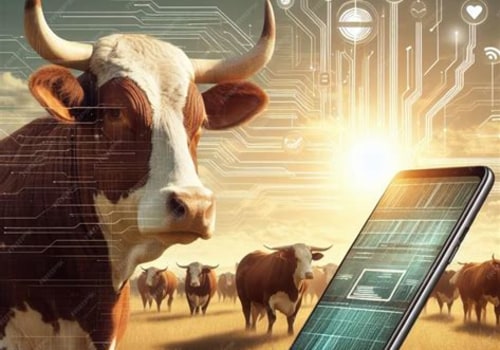
In the realm of livestock marketing, technology plays a pivotal role in enhancing the efficiency and effectiveness of distribution networks. The integration of advanced digital tools has transformed traditional practices, enabling stakeholders to optimize their operations and reach broader markets.Software Solutions
- Livestock Management Software: These platforms assist farmers in tracking their herds, managing health records, and monitoring growth rates. By utilizing such software, producers can make informed decisions that directly impact their marketing strategies.
- Inventory Management Systems: Effective inventory management is crucial for ensuring that supply meets demand. These systems help livestock marketers maintain optimal stock levels, reducing waste and improving profitability.
Data Analytics
- Market Trends Analysis: By leveraging data analytics, marketers can identify trends in consumer preferences and pricing fluctuations.
This insight allows them to adjust their strategies proactively, ensuring they remain competitive in the market.
- Performance Metrics: Analyzing key performance indicators (KPIs) helps businesses understand their operational efficiency. Metrics such as sales volume, customer acquisition costs, and return on investment (ROI) are essential for refining marketing approaches.
Online Platforms
- E-commerce Solutions: The rise of online marketplaces has revolutionized livestock marketing. Producers can now sell directly to consumers or retailers through e-commerce platforms, expanding their reach beyond local markets.
- Social Media Marketing: Utilizing social media channels allows livestock marketers to engage with potential buyers, showcase their products, and build brand loyalty. Targeted advertising on these platforms can significantly enhance visibility and sales.
As the industry continues to evolve, embracing these technological advancements will be crucial for success in livestock marketing.
Market Access and Customer Relationships
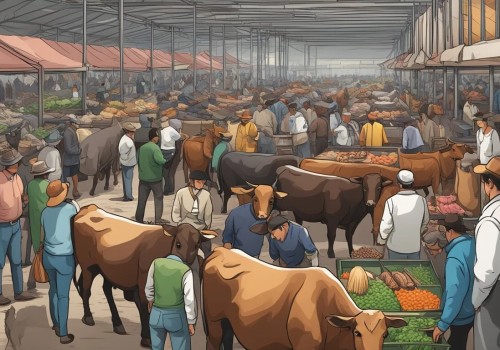
In the realm of livestock marketing, achieving effective market access is paramount for success. This involves not only identifying the right channels to reach potential buyers but also understanding the specific needs and preferences of different market segments. A well-structured distribution network can facilitate access to various markets, whether they are local, regional, or international.Market Access Strategies
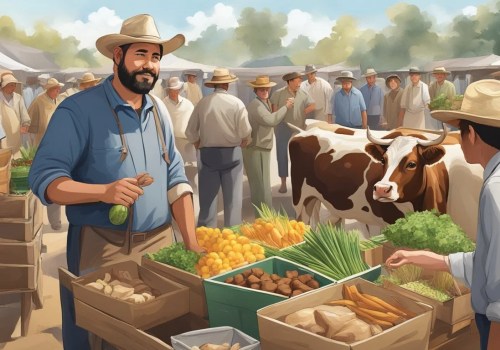
- Direct Sales: Engaging directly with consumers through farmers' markets or online platforms can enhance visibility and foster trust.
- Partnerships: Collaborating with local retailers or distributors can expand reach and provide valuable insights into consumer behavior.
- Export Opportunities: Exploring international markets can open new revenue streams, especially for high-quality livestock products.
This involves not just selling products but also engaging with customers to understand their needs and preferences.
Building Customer Loyalty
- Quality Assurance: Consistently providing high-quality livestock products fosters trust and encourages repeat purchases.
- Communication: Regular updates about product availability, pricing, and promotions can keep customers informed and engaged.
- Feedback Mechanisms: Implementing systems to gather customer feedback can help improve offerings and demonstrate that their opinions are valued.
Regulatory Considerations in Livestock Distribution
In the realm of livestock marketing, understanding the regulatory landscape is crucial for establishing a robust distribution network. Compliance with local, state, and federal regulations not only ensures legal operation but also enhances market access and consumer trust.Key Regulatory Considerations:
- Animal Health Regulations: Livestock must meet specific health standards to prevent the spread of diseases. Compliance with veterinary inspections and vaccination requirements is essential for maintaining herd health and marketability.
- Transportation Regulations: The movement of livestock is governed by strict guidelines to ensure animal welfare during transit.
Understanding the Animal Welfare Act and state-specific transportation laws is vital for compliance.
- Marketing and Labeling Laws: Accurate labeling of livestock products is mandated to inform consumers about the origin, quality, and safety of the products. Adhering to the Federal Meat Inspection Act and similar regulations is necessary for market access.
- Environmental Regulations: Livestock operations must comply with environmental laws that govern waste management and land use. Non-compliance can lead to significant fines and operational disruptions.
The Impact of Compliance:
Failure to adhere to these regulations can result in severe penalties, including fines, loss of licenses, or even criminal charges. Moreover, non-compliance can damage a business's reputation, leading to decreased consumer confidence and reduced sales.
Conversely, a strong commitment to regulatory compliance can enhance a company's credibility in the marketplace, fostering better relationships with buyers and suppliers.In conclusion, navigating the complex web of regulations in livestock marketing is essential for building a successful distribution network. By prioritizing compliance, businesses can not only avoid legal pitfalls but also position themselves favorably in a competitive market.
Challenges in Livestock Distribution Networks
In the realm of livestock marketing, establishing an efficient distribution network is fraught with challenges that can hinder profitability and operational efficiency. Understanding these obstacles is crucial for marketers aiming to optimize their distribution strategies. One of the primary challenges in livestock marketing is the logistical complexity involved in transporting animals. Factors such as distance, transportation costs, and the need for specialized vehicles can complicate the movement of livestock from farms to markets.Additionally, ensuring the welfare of the animals during transit is paramount, as stress can affect their health and market value. Another significant obstacle is the regulatory environment. Livestock marketers must navigate a myriad of local, state, and federal regulations that govern animal health, transportation, and sales. Compliance with these regulations can be time-consuming and may require additional resources.Market fluctuations also pose a challenge. Prices for livestock can vary significantly based on demand, seasonality, and economic conditions.
Marketers must be agile and responsive to these changes to avoid losses. To overcome these challenges, livestock marketers can implement several strategies:
- Invest in technology: Utilizing software for logistics management can streamline operations and improve tracking of livestock during transport.
- Build strong relationships: Collaborating with reliable transporters and suppliers can enhance communication and efficiency within the distribution network.
- Diversify markets: Expanding into different markets can mitigate risks associated with price fluctuations and demand variability.
Future Trends in Livestock Marketing Distribution Networks
The landscape of livestock marketing is rapidly evolving, driven by technological advancements and changing consumer preferences. As we look to the future, several key trends are emerging that will significantly impact distribution networks in this sector.- Digital Transformation: The integration of digital tools is revolutionizing how livestock is marketed. Platforms that facilitate online auctions and direct sales are becoming increasingly popular, allowing producers to reach a broader audience without geographical limitations.
- Data-Driven Decision Making: The use of big data analytics is enhancing the efficiency of distribution networks. By analyzing market trends, consumer behavior, and livestock health data, producers can make informed decisions that optimize their marketing strategies.
- Sustainability Practices: As consumers become more environmentally conscious, there is a growing demand for sustainable livestock production methods.
Distribution networks that prioritize sustainability—such as reducing carbon footprints and ensuring humane treatment of animals—are likely to gain a competitive edge.
- Blockchain Technology: This technology is gaining traction in livestock marketing for its ability to enhance transparency and traceability in the supply chain. By providing a secure and immutable record of transactions, blockchain can help build trust between producers and consumers.
- Collaborative Networks: The future of livestock marketing may also see an increase in collaborative efforts among producers. By forming cooperatives or partnerships, smaller farms can pool resources, share distribution channels, and enhance their market presence.
Conclusion: Building a Resilient Livestock Marketing Distribution Network
In conclusion, establishing a robust distribution network is essential for effective livestock marketing.Throughout this article, we have explored several key elements that contribute to the strength and resilience of such networks. First and foremost, understanding the market demand is crucial. Producers must stay informed about consumer preferences and market trends to align their offerings accordingly. This knowledge allows for better planning and ensures that livestock is marketed at the right time and place. Additionally, building strong relationships with suppliers, transporters, and retailers can significantly enhance the efficiency of the distribution process. These partnerships facilitate smoother operations, reduce costs, and improve overall service delivery. Moreover, leveraging technology plays a pivotal role in modern livestock marketing.
Utilizing data analytics can help in tracking inventory levels, optimizing routes for transportation, and enhancing communication across the supply chain. This technological integration not only streamlines processes but also provides valuable insights for decision-making. Furthermore, maintaining flexibility within the distribution network is vital. The ability to adapt to changing market conditions or unexpected challenges—such as supply chain disruptions—can make a significant difference in sustaining business operations. Lastly, continuous evaluation and improvement of the distribution strategies are necessary to ensure long-term success. Regularly assessing performance metrics and seeking feedback from stakeholders can lead to innovative solutions that enhance the overall effectiveness of the livestock marketing efforts. In summary, a strong distribution network in livestock marketing hinges on understanding market dynamics, fostering strategic partnerships, embracing technology, maintaining flexibility, and committing to ongoing improvement.
By focusing on these elements, producers can build a resilient network that not only meets current demands but also positions them for future growth.