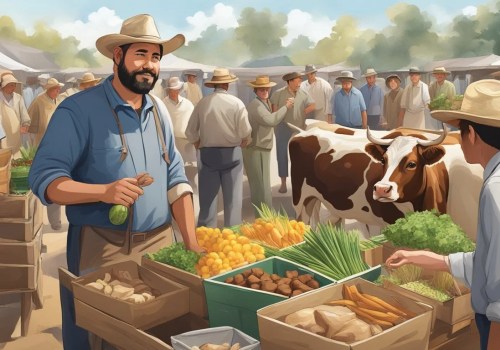
Livestock marketing plays a crucial role in the agricultural sector, serving as the bridge between producers and consumers. It encompasses a range of activities aimed at promoting and selling livestock, including cattle, sheep, pigs, and poultry. Understanding the nuances of livestock marketing is essential for farmers and ranchers who wish to maximize their profits and ensure the sustainability of their operations. As the demand for high-quality meat and dairy products continues to rise, effective marketing strategies become increasingly important. The significance of livestock marketing extends beyond mere sales; it involves understanding market trends, consumer preferences, and pricing strategies.
By effectively positioning their products in the marketplace, livestock producers can not only enhance their profitability but also contribute to the overall health of the agricultural economy. This is particularly vital in a competitive landscape where consumers are becoming more discerning about the sources of their food. As we delve deeper into this topic, it is essential to recognize that expanding your livestock marketing operations requires careful consideration of various factors. From identifying target markets to leveraging digital platforms for outreach, each element plays a pivotal role in shaping a successful marketing strategy. By grasping the fundamentals of livestock marketing, producers can better navigate the complexities of the market and position themselves for growth.
Market Research and Analysis
Conducting thorough market research is a critical step in expanding your livestock marketing operations.Understanding the dynamics of the livestock market can significantly influence your business decisions and strategies.
Analyzing livestock markets
involves several key components:- Demand Trends: Keeping an eye on livestock demand trends is essential. This includes understanding which types of livestock are in high demand, seasonal fluctuations, and emerging consumer preferences. For instance, the rise in organic and grass-fed meat consumption has shifted demand patterns.
- Competitor Analysis: Knowing your competitors can provide insights into pricing strategies, marketing techniques, and product offerings. Analyze their strengths and weaknesses to identify gaps in the market that you can exploit.
- Consumer Preferences: Understanding what consumers are looking for in terms of quality, sustainability, and ethical sourcing can help tailor your marketing efforts.
Surveys and focus groups can be effective tools for gathering this information.
Identifying Target Audiences
When it comes to livestock marketing, understanding your target audience is crucial for developing effective strategies that resonate with potential buyers.Identifying and segmenting your audience allows you to tailor your messaging and offerings to meet their specific needs.
Understanding Buyer Personas
Creating detailed buyer personas is an essential step in identifying your target audience. A buyer persona is a semi-fictional representation of your ideal customer based on market research and real data about your existing customers. Consider factors such as:
- Demographics: Age, gender, income level, and education can influence purchasing decisions.
- Geographic Location: Understanding where your customers are located can help you tailor your marketing efforts to specific regions.
- Buying Behavior: Analyze how often they purchase livestock, what types they prefer, and their budget constraints.
Customer Segmentation
Once you have developed buyer personas, the next step is to segment your audience into distinct groups. This segmentation can be based on various criteria:
- Type of Livestock: Different buyers may be interested in cattle, sheep, goats, or poultry.
Tailoring your marketing messages to each type can enhance engagement.
- Purpose of Purchase: Some buyers may be looking for breeding stock, while others might need livestock for meat production or dairy purposes.
- Experience Level: New buyers may require more educational content compared to seasoned farmers who are familiar with the market.
Engaging with Your Audience
After identifying and segmenting your target audiences, it’s important to engage with them effectively. Utilize social media platforms, email newsletters, and industry events to connect with potential buyers. Providing valuable content that addresses their specific needs will not only build trust but also position you as a knowledgeable leader in the livestock marketing space.In conclusion, identifying and understanding your target audiences through detailed buyer personas and effective customer segmentation is vital for successful livestock marketing operations. By focusing on the unique needs of each segment, you can create targeted strategies that drive sales and foster long-term relationships with your customers.
Developing a Strong Brand Identity
In the competitive world of livestock marketing, establishing a strong brand identity is crucial for standing out and building lasting relationships with customers.A well-defined brand not only communicates your values and mission but also fosters trust and loyalty among your clientele.
Understanding Your Audience
- Identify your target market: Knowing who your customers are will help tailor your branding efforts to meet their specific needs and preferences.
- Engage with your audience: Utilize social media platforms and community events to gather feedback and understand what resonates with your customers.
Creating a Unique Brand Identity
- Logo and Visual Elements: Design a memorable logo that reflects the essence of your livestock operations. Consistent use of colors, fonts, and imagery across all marketing materials reinforces brand recognition.
- Brand Voice: Develop a distinct voice that aligns with your brand values. Whether it’s professional, friendly, or educational, consistency in communication helps build a connection with your audience.
Building Trust Through Transparency
In agriculture, consumers are increasingly interested in the origins of their food. By being transparent about your practices, such as animal welfare standards and sustainable farming methods, you can enhance your brand's credibility.
Share stories about your livestock, the care they receive, and the processes involved in bringing them to market.
Leveraging Digital Marketing
- Create a user-friendly website that showcases your livestock offerings, including high-quality images and detailed descriptions.
- Utilize social media to share engaging content that highlights your brand's personality and connects with potential buyers.
- Consider email marketing campaigns to keep customers informed about new arrivals, promotions, and educational content related to livestock care.
Utilizing Digital Marketing Strategies
In today's competitive market, utilizing digital marketing strategies is essential for enhancing visibility and driving sales in livestock marketing. By leveraging various online platforms, livestock producers can reach a broader audience and engage with potential buyers more effectively.Social Media in Agriculture
Social media platforms such as Facebook, Instagram, and Twitter offer unique opportunities for livestock marketers. These platforms allow you to showcase your animals through high-quality images and videos, share success stories, and connect with other farmers and buyers.Regularly posting engaging content can help build a loyal following and establish your brand as a trusted source in the industry.
Search Engine Optimization (SEO)
Implementing SEO techniques is crucial for improving your website's visibility on search engines. Start by conducting keyword research to identify terms related to online livestock sales that potential customers are searching for. Incorporate these keywords naturally into your website content, product descriptions, and blog posts. Additionally, optimizing your site for mobile users ensures that you capture traffic from all devices.Email Marketing
Email marketing remains a powerful tool for maintaining relationships with existing customers and reaching out to new ones.Create a newsletter that provides valuable information about livestock care, market trends, and upcoming sales events. By offering exclusive promotions or early access to sales through email campaigns, you can incentivize purchases and foster customer loyalty.
Online Marketplaces
Consider listing your livestock on specialized online marketplaces that cater to agricultural products. These platforms not only increase your exposure but also provide tools for managing listings and transactions efficiently. Ensure that your listings are detailed and include high-quality images to attract potential buyers.In conclusion, integrating digital marketing strategies into your livestock marketing operations can significantly enhance your reach and sales potential.By embracing social media, optimizing for search engines, utilizing email marketing, and exploring online marketplaces, you can position your business for success in the evolving agricultural landscape.
Building Relationships with Buyers and Suppliers
In the realm of livestock marketing, establishing strong relationships with both buyers and suppliers is crucial for long-term success. These relationships not only facilitate smoother transactions but also foster loyalty and trust, which can lead to repeat business and referrals.Building Relationships with Buyers
- Understand Buyer Needs: Take the time to learn about your buyers' specific requirements, preferences, and pain points. This knowledge allows you to tailor your offerings and improve customer satisfaction.
- Regular Communication: Maintain open lines of communication through regular updates, newsletters, or personal check-ins. This keeps your buyers informed about new products, pricing changes, or market trends.
- Provide Exceptional Service: Go above and beyond in your service delivery.
Quick responses to inquiries and resolving issues promptly can set you apart from competitors.
Fostering Supplier Partnerships
- Choose Reliable Suppliers: Partner with suppliers who have a proven track record of quality and reliability. This ensures that you can consistently meet your buyers' expectations.
- Negotiate Fair Terms: Establish mutually beneficial agreements that consider both parties' needs. Fair pricing and payment terms can strengthen your partnership.
- Collaborate on Marketing Efforts: Work together with suppliers on joint marketing initiatives. This can enhance visibility for both parties and create a stronger market presence.
The Power of Networking in Agriculture
Networking plays a vital role in expanding your livestock marketing operations.
Attend industry events, trade shows, and local agricultural fairs to connect with potential buyers and suppliers. Building a robust network can lead to valuable partnerships, insights into market trends, and opportunities for collaboration.In conclusion, prioritizing relationships with buyers and suppliers is essential for successful livestock marketing. By investing time in these connections, you can create a loyal customer base and a reliable supply chain that supports your growth objectives.
Regulatory Considerations in Livestock Marketing
When expanding your livestock marketing operations, understanding the regulatory landscape is crucial. Compliance with local, state, and federal laws not only ensures the legality of your operations but also builds trust with consumers and partners.Key Regulatory Areas to Consider:
- Animal Health Regulations: Ensure that your livestock meet health standards set by the USDA and local veterinary authorities.
This includes vaccinations, disease testing, and health certifications.
- Sales and Marketing Compliance: Familiarize yourself with regulations governing the sale of livestock. This includes understanding the requirements for advertising, labeling, and pricing.
- Environmental Regulations: Be aware of laws related to waste management and land use. Compliance with the Environmental Protection Agency (EPA) guidelines is essential to avoid penalties.
- Animal Welfare Standards: Adhere to animal welfare laws that dictate how livestock should be treated during transport and at sales venues. This not only complies with legal standards but also enhances your brand's reputation.
Importance of Compliance:
Non-compliance can lead to severe consequences, including fines, loss of licenses, and damage to your business's reputation.
Therefore, it is advisable to consult with legal experts or compliance officers who specialize in agricultural law. They can help you navigate the complexities of livestock marketing regulations.
Staying Updated:
The regulatory environment is constantly evolving. Regularly review updates from relevant authorities and industry associations to ensure that your operations remain compliant. Joining local agricultural organizations can also provide valuable resources and networking opportunities to stay informed about changes in legislation.In summary, a thorough understanding of the regulatory considerations in livestock marketing is essential for successful expansion.
By prioritizing compliance, you not only protect your business but also contribute positively to the agricultural community.
Evaluating Financial Implications
When considering the expansion of your livestock marketing operations, a thorough evaluation of the financial implications is crucial. This involves not only understanding the costs associated with expansion but also developing a robust financial plan that aligns with your business goals.Budgeting for Expansion
Creating a detailed budget is the first step in assessing the financial feasibility of your expansion. This budget should include:- Operational Costs: Consider expenses such as feed, veterinary care, and labor. These costs can fluctuate based on market conditions and should be monitored closely.
- Marketing Expenses: Allocate funds for advertising, promotional materials, and any new marketing channels you plan to explore.
- Infrastructure Investments: If your expansion involves physical changes, such as building new facilities or upgrading existing ones, include these costs in your budget.
Cost Analysis in Agriculture
A comprehensive cost analysis is essential for understanding the potential return on investment (ROI) from your expansion efforts.This analysis should encompass:
- Fixed Costs: These are expenses that do not change with the level of production, such as property taxes and insurance.
- Variable Costs: These costs fluctuate with production levels, including feed and labor. Understanding these can help you predict how changes in production will impact your overall expenses.
- Break-even Analysis: Determine how much product you need to sell at what price to cover your costs. This will help you set realistic sales targets.
Measuring Success and Adapting Strategies
Measuring the success of your livestock marketing efforts is crucial for understanding what works and what doesn’t.By utilizing key performance indicators (KPIs), you can gain valuable insights into your marketing strategies and make informed decisions moving forward.
Key Performance Indicators (KPIs) for Livestock Marketing
When it comes to agriculture, specific KPIs can help you evaluate the effectiveness of your marketing campaigns. Here are some essential KPIs to consider:- Sales Growth: Track the increase in sales over a specific period. This metric helps you understand if your marketing efforts are translating into actual revenue.
- Customer Acquisition Cost (CAC): Calculate how much it costs to acquire a new customer. A lower CAC indicates more efficient marketing.
- Return on Investment (ROI): Measure the profitability of your marketing campaigns by comparing the revenue generated against the costs incurred.
- Customer Retention Rate: Assess how well you maintain existing customers.
High retention rates often indicate successful marketing and customer satisfaction.
- Engagement Metrics: Monitor social media interactions, website traffic, and email open rates to gauge audience interest and engagement with your content.
Adapting Marketing Strategies
Once you have established your KPIs, the next step is to adapt your marketing strategies based on the data collected. Here are some effective ways to pivot your approach:- Analyze Data Regularly: Regularly review your KPIs to identify trends and patterns. This will help you understand which strategies are working and which need adjustment.
- Solicit Feedback: Engage with customers to gather feedback on your products and marketing efforts. This can provide insights that numbers alone may not reveal.
- Test New Approaches: Don’t be afraid to experiment with different marketing tactics.
A/B testing can help you determine which messages resonate best with your audience.
- Stay Informed: Keep up with industry trends and changes in consumer behavior. Adapting to these shifts can give you a competitive edge in the livestock market.
Conclusion: Key Takeaways for Expanding Livestock Marketing Operations
In conclusion, expanding your livestock marketing operations requires a multifaceted approach that takes into account various critical factors. Understanding these elements can significantly enhance your chances of success in a competitive market.Market Research
First and foremost, conducting thorough market research is essential. This involves analyzing current trends, consumer preferences, and potential gaps in the market.By identifying what buyers are looking for, you can tailor your offerings to meet their needs effectively.
Building Relationships
Another key factor is the importance of building strong relationships with buyers, suppliers, and other stakeholders in the industry. Networking can lead to valuable partnerships and opportunities that may not be available through traditional marketing channels.Diversification of Products
Diversifying your product range can also play a crucial role in expanding your livestock marketing operations. By offering a variety of livestock types or related products, you can attract a broader customer base and mitigate risks associated with market fluctuations.Utilizing Technology
Embracing technology is another vital consideration. Utilizing digital marketing strategies, social media platforms, and e-commerce solutions can enhance your visibility and reach potential customers more effectively than traditional methods.Regulatory Compliance
Lastly, staying informed about regulatory compliance is crucial when expanding your operations.Understanding local laws and regulations regarding livestock sales can prevent costly legal issues and ensure smooth operations. By focusing on these key areas—market research, relationship building, product diversification, technology utilization, and regulatory compliance—you can create a robust strategy for expanding your livestock marketing operations. Each factor plays a significant role in ensuring that your business not only grows but thrives in an ever-evolving marketplace.