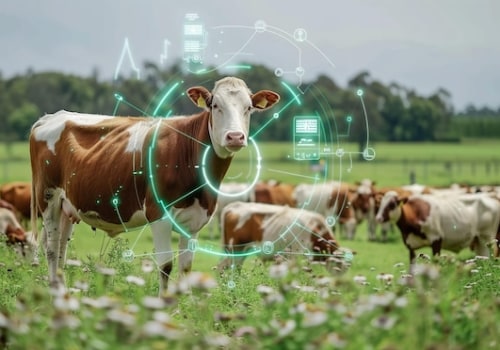
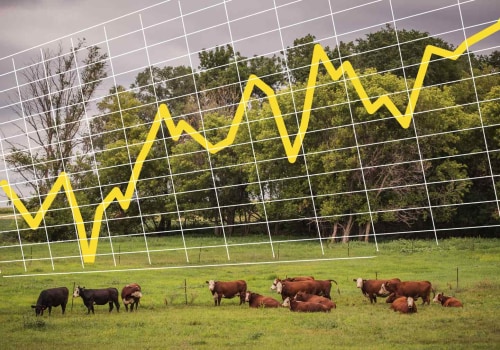
Livestock marketing is a crucial aspect of the agricultural industry, encompassing the strategies and practices used to sell livestock effectively. It involves understanding market trends, consumer preferences, and the overall economic landscape that influences pricing and demand. By mastering the art of livestock marketing, producers can not only maximize their profits but also ensure the sustainability of their operations. This section delves into what livestock marketing entails and its significance in today’s competitive agricultural environment. The importance of livestock marketing cannot be overstated.
It serves as a bridge between producers and consumers, facilitating the exchange of goods while ensuring that both parties achieve their objectives. For farmers and ranchers, effective marketing strategies can lead to better pricing, reduced waste, and improved herd management. On the consumer side, understanding livestock marketing helps buyers make informed decisions about their purchases, ensuring they receive quality products that meet their needs. In an era where information is readily available and consumer preferences are constantly evolving, staying ahead in livestock marketing requires adaptability and innovation. Producers must be aware of emerging trends such as organic farming, animal welfare considerations, and sustainability practices that are increasingly influencing consumer choices.
By embracing these changes and implementing best practices in livestock marketing, producers can enhance their market presence and build lasting relationships with customers.
Identifying Your Target Market
Identifying your target market is a fundamental step in livestock marketing. Understanding who your buyers are allows you to tailor your marketing strategies effectively, ensuring that your efforts resonate with the right audience.To begin, consider the different types of buyers in the livestock industry. These can range from individual consumers looking for high-quality meat to large-scale processors seeking bulk purchases. Each segment has unique needs and preferences, which can significantly influence your marketing approach.Understanding Livestock Buyers
To effectively reach your target market, it’s essential to understand the motivations and behaviors of livestock buyers.Here are some key factors to consider:
- Demographics: Age, income level, and geographic location can all impact purchasing decisions. For instance, younger consumers may prioritize sustainability and ethical sourcing.
- Buying Patterns: Analyze how often your target market purchases livestock and their preferred purchasing channels—whether online, at auctions, or through direct sales.
- Product Preferences: Different buyers may have specific preferences regarding breed, size, and quality of livestock. Understanding these preferences can help you position your offerings more effectively.
Market Segmentation in Livestock
Once you have a clear understanding of your potential buyers, the next step is to segment the market. This involves dividing your broader target market into smaller, more manageable groups based on shared characteristics.Effective market segmentation can enhance your marketing efforts in several ways:
- Tailored Messaging: By understanding the unique needs of each segment, you can create targeted marketing messages that speak directly to their interests.
- Resource Allocation: Focus your marketing resources on the segments that are most likely to convert, maximizing your return on investment.
- Product Development: Insights gained from market segmentation can inform product development, ensuring that you meet the specific demands of each group.
Building a Strong Brand in Livestock Marketing
In the competitive world of livestock marketing, establishing a strong brand is essential for standing out and building consumer trust. A well-defined brand not only communicates the quality of your livestock but also conveys your values and mission as a producer.Understanding Your Audience
- Identify your target market: Knowing who your customers are will help tailor your branding efforts to meet their needs and preferences.
- Research consumer trends: Stay informed about what consumers are looking for in livestock products, such as organic certification or humane treatment.
Creating a Unique Brand Identity
- Logo and Visual Elements: Design a memorable logo that reflects your brand's personality. Use consistent colors and fonts across all marketing materials to create a cohesive look.
- Brand Story: Share your journey as a livestock producer.
Highlight what makes your operation unique, whether it’s sustainable practices, heritage breeds, or family-run values.
- Tagline: Develop a catchy tagline that encapsulates your brand’s essence and resonates with consumers.
Building Trust Through Transparency
Consumers today are increasingly interested in where their food comes from. By being transparent about your farming practices, you can build credibility and foster loyalty. Consider sharing behind-the-scenes content on social media or through your website to give customers insight into your operations.
Engaging with Your Community
- Participate in local events: Attend farmers' markets, fairs, and agricultural shows to connect with potential customers and showcase your livestock.
- Leverage social media: Use platforms like Instagram and Facebook to share updates, engage with followers, and promote your brand story.
Utilizing Digital Marketing Strategies
In today's competitive market, digital marketing has become an essential tool for successful livestock marketing.By leveraging various online platforms, livestock producers can significantly enhance their visibility and engage effectively with potential buyers.
Embracing Social Media
Social media platforms such as Facebook, Instagram, and Twitter offer unique opportunities for livestock marketers. These platforms allow producers to showcase their animals through high-quality images and videos, creating a visual appeal that can attract buyers. Regular updates about livestock health, breeding practices, and farm activities can help build a loyal following.- Engagement: Interacting with followers through comments and messages fosters a sense of community and trust.
- Targeted Advertising: Utilizing paid ads on social media can help reach specific demographics interested in livestock.
- Content Sharing: Encouraging followers to share posts can expand reach exponentially.
Building a Professional Website
A well-designed website serves as the cornerstone of any digital marketing strategy. It should include detailed information about the livestock available for sale, pricing, and contact information.Additionally, incorporating a blog can provide valuable content that positions the producer as an expert in the field.
- SEO Optimization: Implementing SEO best practices ensures that the website ranks higher in search engine results, making it easier for potential buyers to find.
- User Experience: A mobile-friendly design enhances accessibility for users browsing on smartphones or tablets.
Email Marketing Campaigns
Email marketing remains a powerful tool for reaching out to existing customers and prospects. Regular newsletters can keep subscribers informed about new livestock arrivals, special promotions, or upcoming events. Personalizing emails based on previous interactions can increase engagement rates.- Segmentation: Dividing your email list into segments allows for targeted messaging that resonates with different buyer interests.
- A/B Testing: Experimenting with different subject lines and content formats can help identify what works best for your audience.
Effective Use of Social Media Platforms
In today's digital age, social media has become an indispensable tool for livestock marketing. Farmers and livestock producers can leverage various platforms to connect with customers, showcase their products, and build a loyal community.Here are some best practices for effectively using social media in your livestock marketing strategy.
Choosing the Right Platforms
Not all social media platforms are created equal when it comes to livestock marketing. Here are some of the best options:- Facebook: With its vast user base, Facebook is ideal for sharing updates, photos, and engaging with customers through comments and messages.
- Instagram: This visually-driven platform is perfect for showcasing your livestock through high-quality images and videos, allowing you to tell your farm's story.
- Twitter: Use Twitter for real-time updates and to engage in conversations with other farmers and industry experts.
- YouTube: Create informative videos about your livestock, farming practices, or even virtual farm tours to attract potential buyers.
Engaging Your Audience
To successfully market your livestock on social media, it's crucial to engage with your audience. Here are some strategies:- Post Regularly: Consistency is key. Regular posts keep your audience informed and engaged.
- Share Valuable Content: Provide tips on livestock care, market trends, or recipes using your products.
This positions you as an expert in the field.
- Encourage Interaction: Ask questions, run polls, or host giveaways to encourage followers to interact with your posts.
- Utilize Hashtags: Use relevant hashtags to increase the visibility of your posts and reach a broader audience interested in livestock.
Creating Compelling Content for Your Audience
In the realm of livestock marketing, creating compelling content is essential for capturing the attention of potential buyers and establishing a trustworthy brand. Content marketing in agriculture goes beyond mere product descriptions; it involves crafting narratives that resonate with your audience's values and needs.Understanding Your Audience
- Identify the specific demographics of your target market, including their interests and pain points.
- Engage with your audience through surveys or social media to gather insights on what information they find valuable.
Creating Valuable Content
- Produce educational articles, videos, and infographics that address common questions about livestock care, breeding practices, and market trends.
- Share success stories from satisfied customers to build credibility and showcase the benefits of your livestock.
- Utilize high-quality images and videos to highlight the health and quality of your animals, making them more appealing to buyers.
The Power of Storytelling
Storytelling is a powerful tool in livestock marketing. By sharing your journey—whether it’s how you started your farm or the challenges you’ve overcome—you create a personal connection with your audience.
This connection fosters trust and loyalty, encouraging potential buyers to choose your livestock over competitors.Consider incorporating elements such as:
- Your family’s history in farming and how it shapes your business values.
- Behind-the-scenes looks at daily operations, showcasing the care and dedication that goes into raising healthy livestock.
- Customer testimonials that tell a story about how your livestock has positively impacted their operations.
Networking and Building Relationships in the Industry
In the realm of livestock marketing, establishing a robust network and fostering strong relationships within the industry can significantly enhance your marketing efforts. Networking is not just about exchanging business cards; it’s about creating lasting connections that can lead to fruitful partnerships and opportunities.Understanding the Importance of Networking
Networking in agriculture, particularly in the livestock sector, allows producers to share insights, resources, and market trends. By engaging with fellow farmers, suppliers, and industry experts, you can gain valuable knowledge that can inform your marketing strategies.
This collaborative approach can help you stay ahead of market demands and consumer preferences.
Building Relationships with Key Stakeholders
- Producers: Collaborating with other livestock producers can lead to joint marketing efforts, shared resources, and even bulk purchasing discounts.
- Suppliers: Establishing strong ties with feed suppliers, veterinarians, and equipment providers ensures you have access to quality products and services that can enhance your livestock's health and productivity.
- Consumers: Direct relationships with consumers can provide insights into their preferences and needs, allowing you to tailor your marketing messages effectively.
Leveraging Partnerships for Success
Forming strategic partnerships is a cornerstone of successful livestock marketing. Consider collaborating with local businesses or organizations that align with your values and target audience. For instance, partnering with local restaurants or farmers' markets can create a direct channel to consumers who value locally sourced products.Additionally, participating in industry events such as trade shows, fairs, or agricultural conferences can expand your network. These venues provide opportunities to meet potential partners and customers while showcasing your livestock products.In conclusion, effective networking and relationship building are essential components of successful livestock marketing.
By investing time in these areas, you not only enhance your visibility in the market but also create a support system that can lead to long-term success.
Measuring Success: Key Performance Indicators (KPIs)
Measuring the success of livestock marketing strategies is crucial for any agricultural business aiming to optimize its operations and increase profitability. Key Performance Indicators (KPIs) serve as essential metrics that help producers evaluate their marketing effectiveness and make informed decisions.Essential KPIs for Livestock Marketing
- Sales Volume: Tracking the number of animals sold over a specific period provides insight into market demand and the effectiveness of your marketing efforts.
- Average Selling Price: Monitoring the average price per head can help assess whether your pricing strategy aligns with market trends and consumer expectations.
- Customer Acquisition Cost (CAC): Understanding how much it costs to acquire a new customer is vital for evaluating the efficiency of your marketing campaigns.
- Return on Investment (ROI): Calculating ROI for various marketing initiatives allows you to identify which strategies yield the best financial returns.
- Market Share: Analyzing your share of the market relative to competitors can help gauge your brand's strength and identify areas for growth.
Tracking Marketing Effectiveness
To effectively track these KPIs, consider implementing a robust data management system that consolidates sales data, customer feedback, and market research. Regularly reviewing these metrics will enable you to:- Adjust marketing strategies based on performance trends.
- Identify successful channels and tactics that resonate with your target audience.
- Make data-driven decisions that enhance overall business performance.
Common Mistakes to Avoid in Livestock Marketing
In the competitive world of livestock marketing, avoiding common pitfalls can significantly enhance your success. Here are some frequent mistakes to steer clear of:- Neglecting Market Research: Failing to understand your target market can lead to poor sales.
Conduct thorough research to identify buyer preferences, pricing trends, and seasonal demands.
- Inadequate Promotion: Relying solely on word-of-mouth is a mistake. Utilize various marketing channels such as social media, online marketplaces, and local agricultural fairs to reach a broader audience.
- Poor Quality Presentation: The way you present your livestock matters. Ensure that animals are clean, healthy, and well-groomed. High-quality images and videos can also enhance online listings.
- Ignoring Customer Relationships: Building strong relationships with buyers is crucial.
Engage with them through follow-ups and feedback requests to foster loyalty and repeat business.
- Setting Unrealistic Prices: Pricing too high or too low can deter potential buyers. Analyze market rates and adjust your pricing strategy accordingly to remain competitive.
Conclusion: Key Takeaways for Successful Livestock Marketing
In conclusion, successful livestock marketing hinges on a combination of strategic planning, understanding market dynamics, and effective communication. Here are the key takeaways to ensure your marketing efforts yield positive results:- Know Your Market: Understanding your target audience is crucial.
Research local and regional markets to identify demand trends and consumer preferences.
- Build Strong Relationships: Establishing connections with buyers, suppliers, and industry stakeholders can enhance your credibility and open new opportunities for sales.
- Utilize Digital Platforms: Embrace technology by leveraging social media, websites, and online marketplaces to reach a broader audience. Digital marketing can significantly increase visibility and engagement.
- Highlight Quality and Value: Clearly communicate the quality of your livestock. Use high-quality images and detailed descriptions to showcase their attributes, ensuring potential buyers understand the value they are getting.
- Stay Informed: Keep abreast of industry trends, regulations, and best practices. Continuous learning will help you adapt your strategies to changing market conditions.
- Implement Effective Pricing Strategies: Analyze pricing models within your market to set competitive yet profitable prices.
Consider factors such as production costs, market demand, and seasonal variations.