Livestock marketing plays a crucial role in the agricultural sector, serving as the bridge between producers and consumers. It encompasses a range of activities aimed at promoting and selling livestock, including cattle, sheep, pigs, and poultry. Understanding the dynamics of livestock marketing is essential for farmers and ranchers who wish to maximize their profits and ensure the sustainability of their operations. By effectively marketing their livestock, producers can not only enhance their visibility in the marketplace but also build strong relationships with buyers. The importance of livestock marketing cannot be overstated.
It allows producers to showcase their animals' quality and health, which are critical factors for buyers. Additionally, effective marketing strategies can help farmers navigate market fluctuations, ensuring they receive fair prices for their livestock. In an industry where competition is fierce, having a solid grasp of marketing principles can set a producer apart from others. As we delve deeper into the benefits of participating in trade shows and fairs for livestock marketing, it becomes evident that these events serve as invaluable platforms for networking, education, and exposure. They provide an opportunity for producers to engage directly with potential buyers and industry experts, fostering connections that can lead to future sales and collaborations.
Understanding how to leverage these opportunities is key to thriving in the ever-evolving landscape of livestock marketing.
The Role of Trade Shows and Fairs in Livestock Marketing
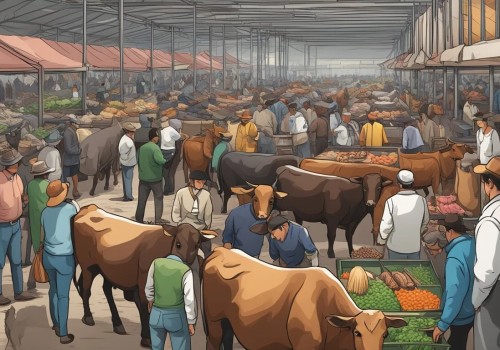
Trade shows and fairs play a pivotal role in livestock marketing, serving as dynamic platforms where producers, buyers, and industry stakeholders converge. These events offer unique opportunities for livestock producers to showcase their animals, products, and innovations directly to a targeted audience.Networking Opportunities
- Trade shows facilitate networking among farmers, breeders, and potential buyers, allowing for the exchange of ideas and best practices.
- Producers can establish valuable connections with suppliers, veterinarians, and industry experts who can provide insights into market trends.
Market Visibility
- Participating in fairs enhances the visibility of livestock brands, helping producers to stand out in a competitive market.
- Exhibiting at trade shows allows for direct interaction with consumers, fostering brand loyalty and recognition.
Educational Opportunities
- Many trade shows feature workshops and seminars that educate participants on the latest advancements in livestock management and marketing strategies.
- Producers can learn about new technologies and practices that can improve their operations and profitability.
Sales Potential
- Fairs often include live auctions or sales events where livestock can be sold directly to buyers, providing immediate revenue opportunities.
- The face-to-face nature of these transactions can lead to higher sales prices compared to online or indirect sales methods.
Networking Opportunities at Trade Shows
Participating in trade shows and fairs offers unparalleled networking opportunities for professionals involved in livestock marketing. These events serve as a melting pot for industry stakeholders, including producers, buyers, suppliers, and service providers, all gathered under one roof.This unique environment fosters the development of meaningful relationships that can significantly enhance your business prospects.
Building Relationships in Livestock Marketing
- Face-to-Face Interactions: Engaging directly with potential clients and partners allows for more personal connections compared to digital communications. These interactions can lead to trust and long-term collaborations.
- Access to Industry Experts: Trade shows often feature seminars and workshops led by industry leaders. Attending these sessions not only provides valuable insights but also opens doors to connect with experts who can offer guidance and mentorship.
- Networking with Peers: Meeting fellow livestock marketers can lead to sharing best practices, innovative ideas, and even collaborative ventures that can benefit all parties involved.
Industry Connections
Establishing a robust network within the livestock marketing sector is crucial for staying competitive.
By participating in trade shows, you not only gain visibility but also position yourself as an active player in the industry. The connections made at these events can lead to partnerships that enhance your market reach and improve your product offerings.In conclusion, the networking opportunities available at trade shows are invaluable for anyone involved in livestock marketing. By investing time in these events, you are not just promoting your products; you are building a network of relationships that can support your business growth for years to come.
Showcasing Products and Innovations
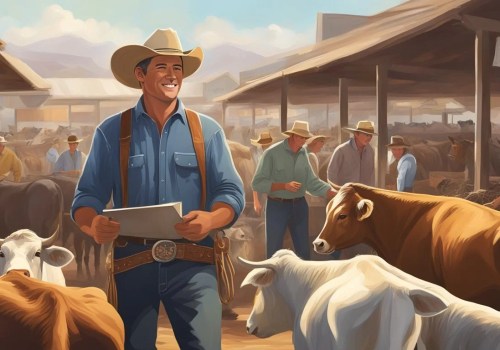
Participating in trade shows and fairs provides a unique platform for showcasing livestock products and innovations in livestock marketing. These events gather industry professionals, potential buyers, and partners, creating an ideal environment for networking and business development.One of the primary benefits of trade shows is the opportunity for product demonstrations.Livestock producers can present their animals, showcasing their quality, health, and unique traits. This direct interaction allows potential buyers to assess the livestock firsthand, which can significantly influence purchasing decisions. Demonstrations can also include innovative feeding techniques or breeding practices that highlight advancements in the industry.
- Engagement with Target Audience: Trade shows attract a concentrated audience interested in livestock products. This allows producers to engage directly with potential customers who are actively seeking new suppliers.
- Feedback and Insights: Exhibiting at these events provides valuable feedback from attendees.
Producers can learn what buyers are looking for, which can inform future marketing strategies and product development.
- Brand Visibility: By showcasing products at trade shows, businesses enhance their brand visibility. A well-designed booth that highlights innovative livestock products can leave a lasting impression on attendees.
Market Research and Trends Analysis
Participating in trade shows and fairs is an invaluable opportunity for those involved in livestock marketing.One of the primary benefits is the ability to conduct market research effectively. By attending these events, marketers can gather firsthand information about current trends in the livestock industry.
Understanding Market Trends
- Trade shows often feature presentations and discussions led by industry experts, providing insights into emerging trends that can influence livestock marketing.
- Networking with other professionals allows for the exchange of ideas and strategies that can help identify shifts in consumer preferences.
- Exhibitors frequently showcase innovative products and services, giving attendees a glimpse into what is gaining traction in the market.
Analyzing Competition
Another significant advantage of attending trade shows is the opportunity to analyze competition. By observing competitors' booths, marketing strategies, and customer interactions, livestock marketers can:
- Identify successful tactics that competitors are using to attract customers.
- Assess product offerings and pricing strategies to better position their own products in the market.
- Gather feedback from potential customers about competitors’ products, which can inform future marketing decisions.
Educational Workshops and Seminars
Participating in trade shows and fairs offers a unique opportunity for livestock marketers to engage in educational workshops and seminars that are specifically tailored to the agricultural sector.These events often feature industry experts who share their insights on the latest trends, technologies, and best practices in livestock marketing.
Workshops:
Workshops at trade shows are hands-on sessions that allow participants to dive deep into specific topics. For instance, a workshop might focus on effective marketing strategies for different types of livestock, such as cattle, sheep, or poultry. Attendees can learn about:
- Digital marketing techniques that can enhance visibility and sales.
- Branding strategies that resonate with consumers.
- Market analysis to identify potential buyers and trends.
Seminars:
Seminars typically feature presentations from thought leaders in the field. These sessions provide valuable information on a range of topics related to livestock marketing.
Participants can expect to gain knowledge about:
- The impact of regulations on livestock sales.
- Innovative practices in animal husbandry that can improve product quality.
- The role of sustainability in modern livestock marketing.
Cost-Effective Marketing Strategies
Participating in trade shows and fairs offers a cost-effective marketing strategy for livestock producers looking to enhance their visibility and sales. Unlike traditional advertising methods, which can be expensive and often yield uncertain results, trade shows provide a unique platform for direct engagement with potential buyers and industry stakeholders.One of the primary benefits of participating in these events is the concentration of target audiences.Trade shows attract individuals specifically interested in livestock, making it easier to connect with serious buyers. This focused environment reduces the need for broad-spectrum advertising campaigns that may not reach the right audience.
- Networking Opportunities: Trade shows facilitate networking with other producers, suppliers, and industry experts. These connections can lead to partnerships, collaborations, and valuable insights into market trends.
- Cost Savings: By showcasing livestock directly at trade shows, producers can save on costs associated with multiple advertising channels. Instead of spending on print ads or online campaigns, a single event can provide exposure to thousands of potential customers.
- Immediate Feedback: Engaging directly with attendees allows producers to receive immediate feedback on their livestock.
This interaction can help refine marketing strategies and improve product offerings based on customer preferences.
Success Stories: Case Studies from Trade Shows
Participating in trade shows can significantly enhance livestock marketing efforts, as evidenced by numerous success stories from industry participants. Here are a few notable case studies that illustrate the tangible benefits of engaging in these events.Case Study 1: Green Pastures Farm
Green Pastures Farm, a family-owned operation specializing in organic beef, attended the National Livestock Expo.By showcasing their products and engaging directly with consumers, they reported a 30% increase in sales within three months post-event. The farm's owner, Jane Doe, noted, "The face-to-face interactions allowed us to build trust and educate customers about our farming practices, which is crucial in livestock marketing."
Case Study 2: Smith & Sons Poultry
Smith & Sons Poultry participated in a regional trade fair focused on sustainable agriculture. They utilized the opportunity to network with other producers and retailers. As a result, they secured partnerships with two local grocery chains, leading to a 50% boost in their distribution channels.Owner John Smith stated, "The trade show opened doors we never knew existed; it was a game-changer for our business."
Case Study 3: Happy Hooves Dairy
Happy Hooves Dairy showcased their innovative dairy products at an international trade show. Their unique approach to marketing—emphasizing animal welfare and sustainability—captured the attention of international buyers. Within six months, they expanded their export operations to three new countries, increasing their revenue by 40%. According to co-founder Emily Johnson, "Participating in the trade show not only elevated our brand visibility but also connected us with key players in the global market."These success stories highlight how participating in trade shows can lead to increased sales, expanded networks, and enhanced brand recognition in the competitive field of livestock marketing.Testimonials from participants consistently emphasize the value of direct engagement and the opportunities for collaboration that arise from these events.
Challenges of Participating in Trade Shows
Participating in trade shows can be a rewarding experience for those involved in livestock marketing, but it is not without its challenges. Understanding these obstacles is crucial for maximizing the benefits of such events. One of the primary challenges is the cost of participation. Expenses can accumulate quickly, including booth rental fees, travel costs, and promotional materials. To mitigate these costs, businesses should:- Set a clear budget before committing to a trade show.
- Consider sharing booth space with complementary businesses to split costs.
- Utilize digital marketing strategies to promote their presence at the event, reducing the need for extensive printed materials.
With numerous exhibitors vying for attention, standing out can be difficult. To overcome this, participants should:
- Create an engaging booth design that reflects their brand identity.
- Offer interactive experiences or demonstrations that draw in attendees.
- Prepare a compelling elevator pitch to quickly communicate their unique selling points.
- Practice networking skills before the event by attending smaller gatherings.
- Set specific goals for the number of connections to make during the show.
- Follow up with contacts after the event to solidify relationships.
With so many activities and sessions available, it can be easy to become overwhelmed. Participants should:
- Create a schedule that prioritizes key sessions and meetings.
- Allow time for breaks to recharge and reflect on insights gained throughout the day.
Conclusion: Maximizing Your Trade Show Experience for Livestock Marketing Success
In conclusion, participating in trade shows and fairs offers a multitude of benefits for livestock marketing that can significantly enhance your business's visibility and profitability. By engaging directly with potential buyers, you create opportunities for meaningful connections that can lead to increased sales and long-term partnerships. One of the most compelling advantages is the ability to showcase your livestock in person. This not only allows potential customers to assess the quality of your animals firsthand but also enables you to demonstrate their unique traits and advantages.Such personal interactions can foster trust and credibility, which are essential in the livestock marketing industry. Additionally, trade shows serve as a platform for networking with other industry professionals. By connecting with breeders, suppliers, and even competitors, you can gain valuable insights into market trends and best practices. This exchange of information can help you refine your marketing strategies and stay ahead of the competition. Moreover, participating in these events often provides access to educational seminars and workshops that can enhance your knowledge about livestock marketing. Staying informed about the latest techniques and technologies can give you a competitive edge in a rapidly evolving market. Finally, trade shows are an excellent opportunity for brand exposure.
With a well-designed booth and effective promotional materials, you can attract attention and leave a lasting impression on attendees. This visibility can translate into increased inquiries and sales long after the event has concluded. In summary, the benefits of participating in trade shows for livestock marketing are substantial. From direct sales opportunities to invaluable networking and educational resources, these events are an investment worth considering. As you plan for future trade shows, keep these advantages in mind to maximize your experience and drive success in your livestock marketing efforts.