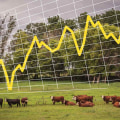
In the ever-evolving landscape of agriculture, livestock marketing stands out as a critical component that directly impacts the profitability and sustainability of farming operations. As consumer preferences shift and technological advancements reshape the industry, understanding the current trends in livestock marketing becomes essential for farmers and marketers alike. This section delves into the significance of these trends, highlighting how they influence decision-making processes and market dynamics. The rise of digital platforms has revolutionized livestock marketing strategies, enabling producers to reach broader audiences than ever before. Social media, online auctions, and e-commerce platforms are not just supplementary tools; they have become integral to how livestock is bought and sold.
Farmers who adapt to these changes can enhance their visibility and connect with potential buyers more effectively, ultimately leading to better sales outcomes. Moreover, consumer demand for transparency and sustainability is reshaping marketing approaches. Today's consumers are increasingly interested in knowing where their food comes from and how it is produced. This trend compels livestock marketers to adopt more transparent practices, showcasing their commitment to animal welfare and environmental stewardship. As we explore the latest trends in livestock marketing, it is crucial to recognize how these factors not only affect market strategies but also reflect broader societal shifts that are redefining the agricultural sector.
Digital Transformation in Livestock Marketing
The landscape of livestock marketing is undergoing a significant transformation due to the advent of digital technologies.As producers and buyers increasingly turn to online platforms, the traditional methods of livestock sales are being reshaped, leading to more efficient and accessible marketing strategies.
Digital livestock marketing
encompasses a variety of tools and platforms that facilitate the buying and selling of livestock over the internet. This shift has been accelerated by the COVID-19 pandemic, which forced many in the agricultural sector to adapt quickly to online solutions. Today, farmers can showcase their livestock through high-quality images and videos on dedicated e-commerce sites, allowing potential buyers to assess animals from the comfort of their homes.One of the most notable trends is the rise of online auctions. These platforms provide a dynamic environment where buyers can bid on livestock in real-time, often resulting in competitive pricing that benefits sellers.Additionally, many auction houses have integrated live streaming features, enabling participants to engage with sellers directly and ask questions about the animals.Social media also plays a crucial role in livestock marketing. Platforms like Facebook and Instagram allow producers to reach a broader audience by sharing engaging content that highlights their livestock's quality and health. By utilizing targeted advertising, farmers can connect with specific demographics interested in purchasing livestock, thus enhancing their marketing efforts.Furthermore, e-commerce in agriculture is not limited to just sales; it also includes educational resources. Many platforms now offer webinars and articles that help farmers understand market trends, pricing strategies, and best practices for online selling.
This wealth of information empowers producers to make informed decisions about their marketing strategies.In conclusion, the digital transformation in livestock marketing is paving the way for more innovative and effective sales methods. As technology continues to evolve, those who embrace these changes will likely find greater success in reaching their target markets.
Sustainability and Ethical Marketing Practices
In recent years, the demand for sustainable livestock marketing has surged as consumers become increasingly aware of the environmental and ethical implications of their food choices. This shift in consumer behavior is prompting marketers to rethink their strategies and embrace practices that align with these values.One of the key drivers of this trend is the growing awareness of ethical farming practices. Consumers are now more informed about how livestock is raised, fed, and treated.They are seeking products that come from farms that prioritize animal welfare, use organic feed, and minimize the use of antibiotics and hormones. As a result, livestock marketers are focusing on transparency in their supply chains, providing detailed information about their farming methods and sourcing.To effectively cater to this evolving market, many companies are adopting sustainable marketing strategies. These strategies often include:
- Certification Programs: Many marketers are obtaining certifications such as USDA Organic or Animal Welfare Approved to build trust with consumers.
- Storytelling: Brands are sharing stories about their farms, highlighting the people behind the products and their commitment to sustainability.
- Eco-Friendly Packaging: Sustainable packaging solutions are being implemented to reduce waste and appeal to environmentally conscious consumers.
This alignment not only meets consumer expectations but also fosters brand loyalty and enhances overall market competitiveness.
Data-Driven Marketing Strategies
In the rapidly evolving landscape of livestock marketing, data-driven strategies are becoming essential for success. By leveraging data analytics, livestock producers and marketers can gain valuable insights that inform their marketing decisions and enhance their competitive edge.Market research
techniques have advanced significantly, allowing stakeholders to gather and analyze vast amounts of data. This includes everything from sales trends to consumer preferences. For instance, utilizing tools like surveys and focus groups can help identify what consumers are looking for in livestock products, whether it be organic certification, humane treatment, or specific breeds.Moreover, understanding consumer behavior is crucial in tailoring marketing strategies.By analyzing purchasing patterns and demographic information, marketers can segment their audience more effectively. This segmentation allows for targeted campaigns that resonate with specific groups, increasing the likelihood of conversion.
- Predictive Analytics: By employing predictive analytics, livestock marketers can forecast market trends and consumer demands, enabling them to adjust their strategies proactively.
- Social Media Insights: Monitoring social media platforms provides real-time feedback on consumer sentiment and preferences, which can be invaluable for shaping marketing messages.
- Sales Data Analysis: Analyzing past sales data helps identify which products are performing well and which are not, guiding inventory management and promotional efforts.
Emerging Technologies in Livestock Marketing
As the livestock industry evolves, emerging technologies are playing a pivotal role in transforming livestock marketing. Two of the most significant advancements are blockchain technology and artificial intelligence (AI), both of which offer unique benefits and challenges.Blockchain in Agriculture
Blockchain technology provides a decentralized and secure method for tracking livestock from farm to market.This transparency is crucial for consumers who are increasingly concerned about food safety and ethical sourcing. By utilizing blockchain, producers can:
- Enhance traceability: Each animal can be tracked through its lifecycle, ensuring that buyers have access to its health history and origin.
- Build trust: Transparent records can help establish credibility with consumers, leading to increased sales.
- Streamline transactions: Smart contracts can automate payments and reduce the need for intermediaries, lowering costs for producers.
AI in Livestock Sales
Artificial intelligence is revolutionizing how livestock is marketed by providing data-driven insights that enhance decision-making. AI can analyze vast amounts of data to identify trends and predict market demands. Key applications include:- Market analysis: AI algorithms can assess market conditions and consumer preferences, helping producers tailor their offerings.
- Pricing strategies: By analyzing historical sales data, AI can suggest optimal pricing to maximize profits while remaining competitive.
- Targeted marketing: AI tools can segment audiences based on behavior, allowing for more personalized marketing campaigns that resonate with potential buyers.
Issues such as data privacy, the need for technological infrastructure, and the potential for market disruption must be addressed. However, as these technologies continue to mature, they hold the promise of creating a more efficient and transparent livestock marketing landscape.
The Role of Social Media in Livestock Marketing
In the evolving landscape of livestock marketing, social media has emerged as a powerful tool for farmers and ranchers to connect with consumers, showcase their products, and build brand loyalty. By leveraging various platforms, producers can engage with their audience in real-time, share their stories, and promote their livestock effectively.Social Media Strategies for Livestock Marketing
To maximize the impact of social media in livestock marketing, producers should consider the following strategies:- Content Creation: High-quality images and videos of livestock can capture attention. Showcasing daily farm activities or highlighting unique animal traits can create a personal connection with potential buyers.
- Regular Engagement: Consistency is key.
Regular posts, stories, and updates keep the audience engaged and informed about new arrivals, sales, or farm events.
- Utilizing Hashtags: Using relevant hashtags can increase visibility. Tags like #LivestockForSale or #FarmFresh can help reach a broader audience interested in agricultural products.
Influencer Marketing in Agriculture
Another trend gaining traction is influencer marketing. Collaborating with influencers who have a strong following in the agricultural community can amplify a brand's reach. These influencers often have established trust with their audience, making their endorsements valuable.By partnering with them, livestock producers can:
- Enhance Credibility: Influencers can provide authentic testimonials about the quality of livestock, which can sway potential buyers.
- Expand Audience Reach: Influencers often have followers who are passionate about agriculture but may not be aware of specific brands or products.
Community Engagement in Farming
Building a community around a brand is essential for long-term success in livestock marketing. Social media platforms allow farmers to foster relationships not just with customers but also with other producers. Engaging with local farming communities through:- Live Q&A Sessions: Hosting live sessions to answer questions about livestock care or farming practices can position producers as experts in their field.
- Collaborative Events: Partnering with other local farms for events or promotions can enhance visibility and create a sense of community.
Challenges Facing Livestock Marketers Today
Livestock marketers today face a myriad of challenges that can significantly impact their operations and profitability.One of the most pressing issues is market volatility. Prices for livestock can fluctuate dramatically due to various factors, including changes in consumer demand, feed costs, and global market conditions. This unpredictability makes it difficult for marketers to set stable prices and plan for the future.Another significant challenge is navigating the complex landscape of regulatory issues in agriculture. Livestock marketers must comply with a variety of federal, state, and local regulations that govern everything from animal welfare to food safety.
These regulations can change frequently, requiring marketers to stay informed and adapt their strategies accordingly. Non-compliance can lead to severe penalties, including fines and loss of market access.Additionally, changing consumer preferences pose a challenge for livestock marketers. As more consumers become concerned about sustainability and animal welfare, there is a growing demand for ethically sourced products. Marketers must not only adapt their offerings to meet these demands but also effectively communicate their practices to consumers who are increasingly scrutinizing the origins of their food.To navigate these challenges successfully, livestock marketers need to employ strategic planning and stay informed about industry trends.
Engaging with industry associations and utilizing data analytics can provide valuable insights into market conditions and consumer behavior. By being proactive and adaptable, livestock marketers can better position themselves to thrive in an ever-evolving landscape.
Future Outlook for Livestock Marketing Trends
As we look towards the future of livestock marketing, several key trends are emerging that will shape the industry in the coming years. These trends are driven by technological advancements, changing consumer preferences, and evolving market dynamics.Technological Integration
One of the most significant trends is the increasing integration of technology in livestock marketing. From blockchain for traceability to AI-driven analytics for pricing strategies, technology is set to revolutionize how livestock is bought and sold.Producers who adopt these technologies will likely gain a competitive edge by improving efficiency and transparency.
Sustainability and Ethical Practices
Consumers are becoming more conscious of sustainability and ethical practices in agriculture. This shift is prompting livestock marketers to emphasize sustainable farming methods and animal welfare in their marketing strategies. Brands that can effectively communicate their commitment to these values may see increased consumer loyalty and sales.Online Marketplaces
The rise of online marketplaces is another trend that is reshaping livestock marketing. Digital platforms allow producers to reach a broader audience, facilitating direct sales to consumers and reducing reliance on traditional auction systems.As more buyers turn to online platforms, livestock marketers must adapt their strategies to leverage these new channels.
Global Market Dynamics
Globalization continues to influence livestock sales, with international trade agreements opening new markets for producers. Understanding global demand trends will be crucial for marketers looking to expand their reach. Additionally, fluctuations in currency and trade policies can impact pricing strategies, making it essential for marketers to stay informed about international developments.Predictions for Livestock Sales
- Increased Demand: As populations grow and diets evolve, the demand for livestock products is expected to rise, particularly in developing countries.
- Diverse Product Offerings: Marketers may need to diversify their offerings, including organic and specialty products, to cater to changing consumer preferences.
- Enhanced Data Utilization: The use of data analytics will become more prevalent, allowing producers to make informed decisions based on market trends and consumer behavior.
Conclusion: Key Takeaways on Livestock Marketing Trends
In conclusion, the landscape of livestock marketing is evolving rapidly, driven by technological advancements and changing consumer preferences.As we have explored, several key trends are shaping the future of this industry.
Embracing Digital Platforms
The shift towards digital marketing strategies cannot be overstated. Producers who leverage social media, online auctions, and e-commerce platforms are finding new avenues to reach potential buyers. This not only enhances visibility but also allows for more targeted marketing efforts.Focus on Sustainability
Today's consumers are increasingly concerned about sustainability and ethical practices in livestock production. Marketers must highlight their commitment to sustainable practices, such as humane treatment of animals and environmentally friendly farming methods, to resonate with this audience.Data-Driven Decisions
The use of data analytics in livestock marketing is becoming essential.By analyzing market trends, consumer behavior, and sales data, producers can make informed decisions that enhance their marketing strategies and improve profitability.
Personalized Marketing Approaches
As competition intensifies, personalized marketing is gaining traction. Tailoring messages to specific segments of the market can significantly improve engagement and conversion rates. Understanding the unique needs and preferences of different customer groups is crucial.- Adaptability: The ability to adapt to these trends will be vital for success in livestock marketing.
- Continuous Learning: Staying informed about industry changes and consumer expectations will help producers remain competitive.
- Collaboration: Building partnerships with tech companies and marketing experts can provide valuable insights and resources.