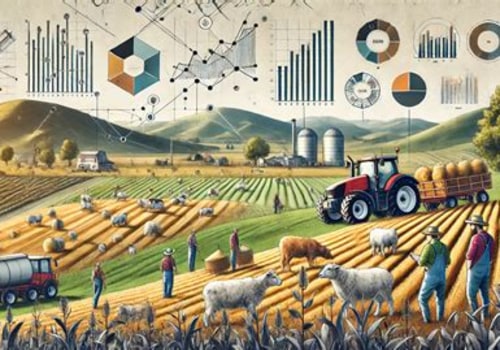
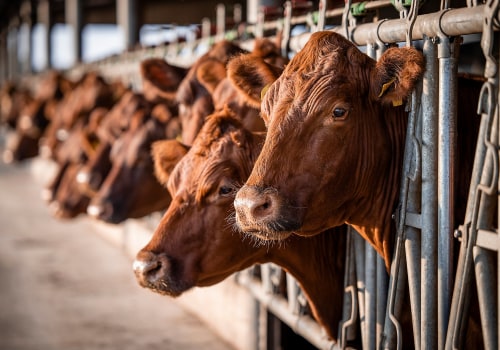
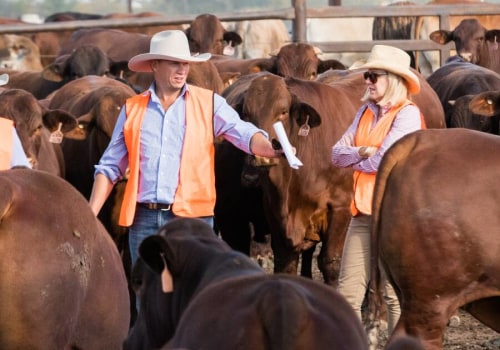
The livestock market is a dynamic and multifaceted sector that plays a crucial role in the global economy. As consumer preferences evolve and sustainability becomes a priority, understanding the current landscape of the livestock industry is essential for producers and marketers alike. The market is influenced by various factors, including economic conditions, technological advancements, and changing dietary trends. For instance, the rise in demand for organic and grass-fed products has shifted how livestock is raised and marketed, creating new opportunities for differentiation. In recent years, several key trends have emerged within the livestock industry.
The increasing focus on animal welfare and environmental sustainability has prompted many producers to adopt more humane practices and eco-friendly methods. Additionally, advancements in technology, such as precision farming and data analytics, are reshaping how livestock is managed and marketed. These trends not only affect production but also influence consumer purchasing decisions, making it imperative for businesses to stay informed about the competitive dynamics at play. Conducting a thorough competitive analysis in livestock marketing is vital for identifying gaps in the market where differentiation can occur. By examining competitors' strengths and weaknesses, businesses can uncover unique selling propositions that resonate with consumers.
Whether it's through superior product quality, innovative marketing strategies, or enhanced customer engagement, understanding the competitive landscape allows producers to carve out their niche in a crowded marketplace.
Identifying Your Unique Selling Proposition (USP)
In the competitive landscape of livestock marketing, identifying your unique selling proposition (USP) is crucial for standing out. A well-defined USP not only highlights what makes your products unique but also resonates with your target audience, ultimately driving sales.To find your USP, consider the following steps:- Analyze Your Competitors: Start by researching your competitors. What are their strengths and weaknesses? Look for gaps in their offerings that you can fill. This analysis will help you understand where you can differentiate your products.
- Understand Your Audience: Knowing your customers is key.
Conduct surveys or interviews to gather insights about their preferences and pain points. What do they value most in livestock products? Tailoring your USP to meet these needs can set you apart.
- Highlight Quality and Benefits: Focus on the quality of your livestock and any unique benefits they offer. For instance, if your livestock is raised on organic feed or has superior genetics, emphasize these points in your marketing materials.
- Leverage Storytelling: Share the story behind your livestock. Whether it’s a family tradition or sustainable farming practices, a compelling narrative can create an emotional connection with potential buyers.
Use it in your branding, website content, and social media posts to ensure consistency. Remember, a strong USP not only differentiates your products but also builds trust and loyalty among customers in the livestock marketing sector.
Leveraging Quality and Sustainability in Marketing
In the competitive landscape of livestock marketing, emphasizing quality and sustainability can significantly set your products apart from those of your competitors. Consumers today are increasingly aware of the impact their purchasing decisions have on the environment, and they are more likely to support brands that align with their values.Quality Livestock Products
- High Standards: Ensure that your livestock meets rigorous quality standards. This includes proper nutrition, health care, and humane treatment.
Highlighting these practices in your marketing materials can build trust with consumers.
- Traceability: Implement a traceability system that allows customers to know where their products come from. Transparency in sourcing can enhance consumer confidence and loyalty.
- Certifications: Obtain relevant certifications that demonstrate your commitment to quality, such as organic or grass-fed labels. These certifications can serve as powerful marketing tools.
Sustainable Livestock Farming
- Environmental Practices: Adopt sustainable farming practices that minimize environmental impact, such as rotational grazing and integrated pest management. These methods not only benefit the planet but also improve the quality of your livestock.
- Resource Efficiency: Focus on resource efficiency by reducing waste and optimizing feed use.
This not only lowers costs but also appeals to eco-conscious consumers.
- Community Engagement: Engage with local communities and support sustainable initiatives. This can enhance your brand's reputation and create a loyal customer base.
Marketing Sustainable Practices
- Storytelling: Use storytelling in your marketing campaigns to share your journey towards sustainability. Highlight specific practices you implement and the positive effects they have on the environment.
- Social Media: Leverage social media platforms to showcase your commitment to quality and sustainability. Share behind-the-scenes content that illustrates your farming practices and engages consumers.
- Collaborations: Partner with organizations focused on sustainability to enhance credibility and reach a broader audience.
Collaborative efforts can amplify your message and attract like-minded consumers.
Utilizing Technology for Competitive Advantage
In the competitive landscape of livestock marketing, leveraging technology can significantly enhance your brand's visibility and efficiency. By adopting innovative digital tools, farmers can streamline their operations and better connect with potential buyers.Digital platforms
have revolutionized how livestock is marketed. Online marketplaces allow farmers to showcase their animals to a broader audience, breaking geographical barriers. These platforms often feature advanced search filters, enabling buyers to find specific breeds or qualities that meet their needs.Additionally, social media channels can be powerful tools for promoting livestock, as they allow for direct engagement with consumers and the sharing of success stories.Another critical aspect of utilizing technology in livestock marketing is the use of data analytics. By analyzing market trends and consumer behavior, farmers can make informed decisions about pricing and inventory management. For instance, understanding peak buying seasons can help in planning breeding cycles and marketing strategies effectively.Moreover, livestock marketing software can automate various tasks, from tracking sales to managing customer relationships. These tools not only save time but also reduce human error, ensuring that your marketing efforts are both efficient and effective.
Features such as customer databases and sales tracking can provide insights into which products are performing well and which need more attention.In conclusion, embracing technology in livestock marketing is not just an option; it’s a necessity for differentiation in a crowded market. By utilizing digital platforms, data analytics, and specialized software, farmers can enhance their marketing strategies, ultimately leading to increased sales and customer loyalty.
Building Strong Relationships with Customers
In the competitive landscape of livestock marketing, establishing and nurturing strong relationships with customers is paramount. These connections not only foster trust but also encourage repeat business and referrals, which are essential for sustainable growth.Customer relationship management
(CRM) plays a crucial role in this process. By utilizing CRM tools, livestock marketers can track customer interactions, preferences, and purchase history.This data allows for personalized communication and tailored marketing strategies that resonate with individual buyers.
Engaging Livestock Buyers
Engagement is key to building loyalty among livestock buyers. Here are some effective strategies:- Regular Communication: Keep in touch with customers through newsletters, updates on new stock, and educational content about livestock care and management.
- Feedback Mechanisms: Encourage customers to provide feedback on their purchases and experiences. This not only shows that you value their opinions but also helps you improve your offerings.
- Exclusive Offers: Create loyalty programs or exclusive discounts for repeat customers. This incentivizes them to return and strengthens their commitment to your brand.
These events provide an opportunity for buyers to connect with you personally, learn more about your livestock, and see the quality of your products firsthand.
Building customer loyalty
is not just about transactions; it’s about creating a community around your brand. When customers feel valued and connected, they are more likely to recommend your services to others, further expanding your reach in the livestock marketing arena.In conclusion, prioritizing strong customer relationships through effective CRM practices and engaging strategies can set your livestock business apart from competitors. By focusing on the needs and preferences of your customers, you can cultivate loyalty that translates into long-term success.Effective Branding Strategies for Livestock Products
In the competitive landscape of livestock marketing, establishing a strong brand identity is crucial for standing out. A well-defined brand not only communicates the quality and uniqueness of your products but also builds trust with your target audience.Here are some effective branding strategies tailored for livestock products:
- Define Your Brand Values: Start by identifying what your brand stands for. Are you focused on sustainability, animal welfare, or premium quality? Clearly articulating these values will resonate with consumers who share similar beliefs.
- Create a Memorable Logo: A distinctive logo can serve as the face of your brand. It should be simple yet memorable, reflecting the essence of your livestock products. Consider incorporating elements that represent your farm or livestock type.
- Develop a Unique Selling Proposition (USP): What makes your livestock products different from competitors? Whether it’s organic feed, humane treatment, or superior genetics, clearly communicate your USP in all marketing materials.
- Engage with Your Audience: Utilize social media platforms to connect with potential customers.
Share stories about your farming practices, showcase your animals, and highlight customer testimonials. This engagement fosters a community around your brand.
- Consistent Messaging: Ensure that all your marketing materials—whether online or offline—maintain a consistent tone and message. This consistency reinforces brand recognition and builds credibility.
By implementing these branding strategies, you can effectively differentiate your products in the crowded market of livestock marketing.
Marketing Channels: Choosing the Right Platforms
In the competitive landscape of livestock marketing, selecting the right marketing channels is essential for effectively reaching your target audience. With a variety of options available, both online and offline, understanding the strengths and weaknesses of each can help you tailor your approach.Online Marketing Channels
Online platforms have revolutionized how farmers promote their livestock products. Here are some key channels to consider:- Social Media: Platforms like Facebook, Instagram, and Twitter allow farmers to showcase their livestock through engaging content. High-quality images and videos can attract potential buyers and create a community around your brand.
- Websites and E-commerce: Having a dedicated website not only establishes credibility but also serves as a hub for information about your livestock.
E-commerce capabilities can facilitate direct sales, making it easier for customers to purchase.
- Email Marketing: Building an email list enables you to communicate directly with interested buyers. Regular newsletters featuring updates on livestock availability, promotions, and educational content can keep your audience engaged.
Offline Marketing Channels
While online marketing is crucial, traditional methods still hold value in livestock marketing. Consider these offline strategies:- Farmers' Markets: Participating in local farmers' markets allows you to connect with consumers face-to-face, providing an opportunity to showcase your livestock and build relationships.
- Trade Shows and Expos: These events are excellent for networking with other industry professionals and reaching potential buyers who are specifically interested in livestock.
- Print Advertising: Local newspapers, agricultural magazines, and flyers can effectively reach audiences who may not be active online.
Case Studies: Successful Differentiation in Livestock Marketing
In the competitive landscape of livestock marketing, businesses that successfully differentiate their products often stand out and capture a larger market share.Here are a few case studies that illustrate effective differentiation strategies:
1.Green Pastures Farm: Organic Certification
Green Pastures Farm, located in the Midwest, adopted organic farming practices and obtained organic certification for their livestock. By emphasizing their commitment to sustainable and humane farming methods, they attracted health-conscious consumers willing to pay a premium for organic meat. Their marketing campaigns highlighted the benefits of organic livestock, including better taste and nutritional value, which resonated with their target audience.2.Heritage Breeds Co-op: Unique Genetic Offerings
The Heritage Breeds Co-op focused on preserving rare and endangered livestock breeds. By marketing their unique genetic offerings, they appealed to niche markets interested in biodiversity and heritage foods.Their storytelling approach in marketing emphasized the history and cultural significance of these breeds, creating a strong emotional connection with consumers who value tradition and sustainability.
3.Farm Fresh Meats: Direct-to-Consumer Sales
Farm Fresh Meats implemented a direct-to-consumer sales model through an online platform, allowing customers to purchase meat directly from the farm. This strategy not only cut out middlemen but also enabled them to build relationships with customers through transparency about their farming practices. They utilized social media to share behind-the-scenes content, fostering trust and loyalty among consumers.4.EcoLivestock: Eco-Friendly Packaging
EcoLivestock differentiated itself by using eco-friendly packaging for its meat products. In an era where environmental concerns are paramount, this strategy appealed to environmentally conscious consumers.Their marketing emphasized the reduction of plastic waste and the use of biodegradable materials, positioning them as a leader in sustainable practices within the livestock marketing sector.These case studies demonstrate that successful differentiation in livestock marketing can take many forms, from product quality and unique offerings to innovative sales strategies and sustainable practices. By learning from these examples, businesses can develop their own effective differentiation strategies that resonate with their target audience.
FAQs About Differentiating Livestock Products
When it comes to livestock marketing, many producers find themselves asking how they can effectively differentiate their products from competitors. Here are some frequently asked questions that can help clarify this process:What are the key factors in differentiating livestock products?
- Quality: Ensuring that your livestock meets high standards of health and genetics can set your products apart.
- Branding: Developing a strong brand identity that resonates with your target audience can enhance recognition and loyalty.
- Customer Service: Providing exceptional service, including after-sales support, can create a positive experience that encourages repeat business.
- Sustainability: Highlighting sustainable farming practices can attract environmentally conscious consumers.
How can I effectively communicate my product's unique features?
Utilizing various marketing channels is essential. Consider the following strategies:- Social Media: Share engaging content that showcases your livestock's unique qualities and your farming practices.
- Website: Create a user-friendly website that highlights your products, including detailed descriptions and testimonials.
- Email Marketing: Use newsletters to keep customers informed about new offerings and special promotions.
What challenges might I face in differentiating my livestock products?
The livestock marketing landscape is competitive, and you may encounter several challenges, such as:- Market Saturation: Many producers offer similar products, making it difficult to stand out.
- Consumer Awareness: Educating consumers about the benefits of your unique offerings can require significant effort and resources.
- Price Competition: Competing on price alone can undermine your ability to maintain quality and service standards.