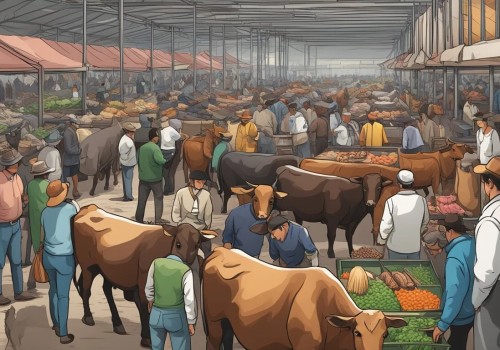
Livestock marketing plays a crucial role in the agricultural sector, serving as the bridge between producers and consumers. Understanding the dynamics of this market is essential for farmers and ranchers who aim to maximize their profits while ensuring the sustainability of their operations. The livestock market is influenced by various factors, including supply and demand, consumer preferences, and economic conditions. As such, staying informed about livestock market trends is vital for making strategic decisions. The significance of livestock marketing extends beyond mere transactions; it encompasses the entire process of promoting and selling livestock products.
Effective marketing strategies can enhance visibility and attract potential buyers, ultimately leading to better pricing outcomes. Moreover, understanding current trends—such as shifts towards organic and locally sourced products—can provide valuable insights into consumer behavior and preferences. In today's fast-paced market environment, where information is readily available, producers must adapt to changing conditions. This adaptability not only involves recognizing emerging trends but also understanding the importance of negotiation in securing favorable contracts. By grasping the fundamentals of livestock marketing, producers can position themselves effectively within the market, ensuring they are not just participants but active players in shaping their financial futures.
The Basics of Price Negotiation
Negotiating prices in livestock marketing requires a blend of strategy, knowledge, and interpersonal skills.Understanding the fundamentals of price negotiation can significantly impact your profitability and relationships within the industry.
Key Price Negotiation Techniques
- Research and Preparation: Before entering negotiations, gather data on current market trends, pricing benchmarks, and competitor rates. This information will empower you to make informed decisions.
- Establish Your Goals: Clearly define what you want to achieve from the negotiation. Whether it’s a specific price point or favorable contract terms, having clear objectives will guide your discussions.
- Build Rapport: Establishing a good relationship with buyers or sellers can create a more conducive environment for negotiation. Trust can lead to better deals and long-term partnerships.
Effective Negotiation Strategies
- Start High: When negotiating prices, begin with a higher offer than your target price.
This gives you room to maneuver and allows for concessions without going below your minimum acceptable price.
- Listen Actively: Pay attention to the other party’s needs and concerns. This not only shows respect but also provides insights that can help you adjust your strategy effectively.
- Be Willing to Walk Away: Sometimes, the best negotiation tactic is knowing when to walk away. If the terms do not meet your requirements, be prepared to explore other options.
By mastering these basic techniques and strategies, you will be better equipped to navigate the complexities of livestock marketing successfully.
Factors Influencing Livestock Prices
Understanding the factors influencing livestock prices is crucial for anyone involved in livestock marketing. Several elements come into play, each affecting the market dynamics and ultimately the price you can negotiate.Market Demand
The demand for livestock is a primary driver of prices. When consumer interest in meat products rises, prices tend to increase. Factors such as population growth, dietary trends, and economic conditions can significantly impact demand.For instance, a surge in health-conscious consumers may lead to increased demand for lean meats, thereby elevating prices for specific livestock types.
Supply Chain Impacts
The supply chain also plays a vital role in determining livestock prices. Disruptions at any stage—from feed supply to transportation—can lead to fluctuations in availability. For example, adverse weather conditions can affect feed crops, leading to higher costs for livestock producers. Additionally, logistical challenges can delay the movement of animals to market, creating temporary shortages that drive up prices.Seasonal Variations
Seasonality is another factor that cannot be overlooked.Prices often fluctuate based on the time of year; for instance, demand typically increases during holidays or festive seasons when consumers are more likely to purchase meat products. Understanding these seasonal trends can provide leverage during negotiations, allowing sellers to time their sales strategically. In summary, being aware of these factors affecting livestock prices—market demand, supply chain issues, and seasonal variations—can empower you to negotiate more effectively in the competitive landscape of livestock marketing.
Preparing for Negotiation: Research and Strategy
Successful livestock marketing negotiations begin long before you sit down at the table. Preparation is crucial, and it involves thorough research and the establishment of clear goals.Conducting Thorough Research
- Market Trends: Stay informed about current market trends in livestock prices. Understanding fluctuations can provide leverage during negotiations.
- Competitor Analysis: Research your competitors to know their pricing strategies and offerings.
This knowledge can help you position your livestock more effectively.
- Buyer Preferences: Understand what potential buyers are looking for in livestock. Tailoring your pitch to meet their needs can enhance your negotiation power.
- Historical Data: Analyze past sales data to identify patterns that may influence current negotiations. Knowing what has worked before can guide your strategy.
Setting Clear Negotiation Goals
Before entering negotiations, it’s essential to define what you want to achieve. Consider the following:
- Price Expectations: Determine your minimum acceptable price and your ideal price point.
This will help you navigate offers and counteroffers effectively.
- Contract Terms: Identify key terms that are non-negotiable for you, such as payment timelines, delivery conditions, and warranties.
- Relationship Building: Decide how important it is to maintain a long-term relationship with the buyer. Sometimes, compromising on price can lead to future opportunities.
Effective Communication in Negotiations
Effective communication is a cornerstone of successful negotiations in livestock marketing. The ability to convey your thoughts clearly and understand the perspectives of others can significantly influence the outcome of any deal. Here are some key aspects to consider:Active Listening
Active listening is more than just hearing what the other party says; it involves fully engaging with their message.This skill allows you to:
- Understand Needs: By paying close attention, you can identify the underlying needs and concerns of your negotiating partner.
- Build Rapport: Demonstrating that you value their input fosters trust and encourages open dialogue.
- Avoid Misunderstandings: Clarifying points as they arise can prevent costly miscommunications that may derail negotiations.
Persuasive Communication
In addition to listening, being able to persuade effectively is crucial in livestock marketing. Here are some techniques to enhance your persuasive communication:- Use Data and Evidence: Presenting facts, figures, and case studies can strengthen your position and make your arguments more compelling.
- Appeal to Emotions: While data is important, connecting on an emotional level can resonate more deeply with your audience.
- Be Clear and Concise: Avoid jargon and overly complex language. Clear communication helps ensure that your message is understood.
Contract Essentials in Livestock Marketing
In the realm of livestock marketing, understanding the intricacies of contracts is crucial for both buyers and sellers.A well-structured contract not only outlines the terms of the sale but also protects the interests of all parties involved. Here are some essential elements to consider when dealing with livestock contracts.
- Parties Involved: Clearly identify all parties in the contract, including their roles and responsibilities.
- Description of Livestock: Provide detailed descriptions of the livestock being sold, including breed, age, health status, and any relevant identification numbers.
- Price and Payment Terms: Specify the agreed-upon price and outline payment methods, deadlines, and any deposits required.
- Delivery Terms: Define how and when the livestock will be delivered, including transportation responsibilities and costs.
- Liability Clauses: Include clauses that address liability in case of loss or damage to the livestock during transit or prior to delivery.
- Dispute Resolution: Establish a process for resolving disputes that may arise from the contract, such as mediation or arbitration.
- Do Your Research: Understand market prices and trends in livestock marketing. This knowledge will empower you during negotiations.
- Be Clear and Concise: Communicate your needs and expectations clearly to avoid misunderstandings.
- Be Prepared to Walk Away: If the terms do not meet your requirements, be willing to explore other options. This can often lead to better offers.
- Consult Legal Experts: Before finalizing any contract, consider having a legal professional review it to ensure compliance with local laws and regulations.
Ensure that all agreements comply with state and federal regulations governing livestock sales. This not only protects your interests but also fosters trust between parties in the livestock marketing industry.
Common Mistakes to Avoid in Negotiations
Negotiating prices and contracts in livestock marketing can be a complex process, and avoiding common mistakes is crucial for achieving favorable outcomes. Here are some prevalent pitfalls to watch out for:- Failing to Do Your Homework: One of the biggest mistakes is entering negotiations without adequate research. Understanding market trends, pricing benchmarks, and the specific needs of your counterpart can significantly enhance your negotiating position.
- Not Setting Clear Objectives: Before entering negotiations, it’s essential to define what you want to achieve.
Without clear goals, you may find yourself swayed by the other party’s demands, leading to unsatisfactory agreements.
- Ignoring Non-Verbal Cues: Communication is not just about words. Pay attention to body language and tone during negotiations. Ignoring these cues can lead to misunderstandings and missed opportunities.
- Being Too Rigid: While it’s important to have a clear idea of your bottom line, being inflexible can hinder negotiations. Be prepared to explore alternative solutions that may benefit both parties.
- Overlooking Relationship Building: In livestock marketing, relationships matter.
Focusing solely on the transaction can alienate potential partners. Invest time in building rapport and trust, which can lead to better deals in the long run.
- Conduct Thorough Research: Gather data on market conditions, competitor pricing, and buyer preferences before negotiations begin.
- Establish Clear Goals: Outline your objectives and prioritize them to guide your negotiation strategy effectively.
- Practice Active Listening: Engage with the other party by listening carefully to their needs and concerns, which can foster a collaborative atmosphere.
- Be Open to Compromise: Flexibility can lead to creative solutions that satisfy both parties’ interests.
Case Studies: Successful Negotiations in Livestock Marketing
In the realm of livestock marketing, successful negotiations can significantly impact profitability and sustainability for farmers and ranchers. Here, we explore a few case studies that exemplify effective negotiation strategies.Case Study 1: The Cooperative Advantage
A group of cattle ranchers in Texas formed a cooperative to enhance their bargaining power. By pooling their resources and livestock, they were able to negotiate better prices with buyers.This collective approach not only improved their market position but also reduced individual marketing costs. The key lesson learned here is that collaboration can amplify negotiating strength in livestock marketing.
Case Study 2: Direct-to-Consumer Sales
Another successful example comes from a family-owned farm in Iowa that shifted from traditional auction sales to direct-to-consumer marketing. By establishing a strong online presence and utilizing social media, they negotiated prices directly with consumers, eliminating middlemen. This strategy allowed them to set higher prices while maintaining customer loyalty.The lesson here is the importance of adapting to market trends and leveraging technology for better negotiation outcomes.
Case Study 3: Seasonal Pricing Strategies
A sheep farmer in Colorado implemented seasonal pricing strategies based on market demand fluctuations. By analyzing past sales data, he identified peak seasons for lamb sales and adjusted his pricing accordingly. This proactive approach not only maximized profits but also positioned him as a reliable supplier during high-demand periods. The takeaway is that understanding market dynamics can lead to more effective negotiations in livestock marketing.These case studies illustrate that successful negotiations in livestock marketing often stem from collaboration, innovation, and a keen understanding of market conditions.By learning from these examples, other livestock producers can enhance their negotiation skills and achieve better outcomes.
FAQs About Livestock Price Negotiation and Contracts
When it comes to livestock marketing, understanding the nuances of price negotiation and contracts is crucial for both buyers and sellers. Here are some frequently asked questions that can help clarify these important aspects:What factors influence livestock prices?
Several factors can affect livestock prices, including:- Market demand: Prices often fluctuate based on consumer demand for meat and other livestock products.
- Feed costs: The cost of feed can significantly impact the overall expenses of raising livestock, which in turn affects pricing.
- Seasonality: Certain times of the year may see higher prices due to seasonal demand.
- Quality and breed: The quality of the livestock and its breed can also play a significant role in determining its market value.
How can I effectively negotiate prices?
Effective negotiation in livestock marketing involves several strategies:- Research: Understand current market trends and prices to make informed offers.
- Build relationships: Establishing good relationships with buyers or sellers can lead to better negotiation outcomes.
- Be flexible: Be open to different terms and conditions that may benefit both parties.
- Communicate clearly: Ensure that all parties understand the terms being discussed to avoid misunderstandings.
What should I include in a livestock contract?
A well-drafted contract is essential in livestock marketing. Key elements to include are:- Description of livestock: Clearly specify the type, breed, and quantity of livestock involved.
- Price and payment terms: Outline the agreed price and payment schedule.
- Delivery details: Include information on when and how the livestock will be delivered.
- Liability clauses: Address who is responsible for any potential issues that may arise during the transaction.