Livestock marketing plays a crucial role in the agricultural sector, serving as the bridge between producers and consumers. It encompasses a range of activities aimed at promoting and selling livestock, including cattle, sheep, pigs, and poultry. Understanding the dynamics of livestock marketing is essential for farmers and ranchers who wish to maximize their profits and ensure the sustainability of their operations. As the demand for high-quality meat and dairy products continues to rise, effective marketing strategies become increasingly important. The significance of livestock marketing extends beyond mere sales; it involves understanding market trends, consumer preferences, and pricing strategies.
By staying informed about these factors, producers can make better decisions regarding breeding, feeding, and overall management of their livestock. This knowledge not only helps in optimizing production but also in navigating the complexities of market fluctuations that can impact profitability. In an ever-evolving agricultural landscape, staying updated on market trends is vital for success. With advancements in technology and shifts in consumer behavior, livestock marketers must adapt to new challenges and opportunities. This introductory section sets the stage for a deeper exploration of how to effectively stay informed about changes in livestock marketing, ensuring that producers are well-equipped to thrive in a competitive marketplace.
The Importance of Staying Updated on Market Trends
In the dynamic world of livestock marketing, staying updated on market trends is not just beneficial; it is essential for success.Understanding the nuances of market fluctuations can significantly impact pricing strategies, demand forecasting, and overall business planning. One of the primary reasons to stay informed about livestock market trends is the direct correlation between market knowledge and profitability. When livestock marketers are aware of current trends, they can make informed decisions about when to buy or sell their products. For instance, recognizing a rise in demand for organic beef can prompt a marketer to adjust their inventory accordingly, maximizing profits. Additionally, being attuned to market changes allows livestock marketers to anticipate shifts in consumer preferences. This foresight can lead to strategic adjustments in marketing campaigns and product offerings, ensuring that they remain competitive in a crowded marketplace.
- Pricing Strategies: Knowledge of market trends enables marketers to set competitive prices that reflect current demand and supply conditions.
- Risk Management: Staying updated helps in identifying potential risks associated with price volatility, allowing for better risk mitigation strategies.
- Consumer Insights: Understanding trends aids in tailoring products to meet evolving consumer preferences, enhancing customer satisfaction and loyalty.
Keeping abreast of these factors can provide valuable insights into how they may affect livestock marketing. For example, new regulations regarding animal welfare can shift consumer expectations and demand patterns. In conclusion, the importance of staying updated on market trends in livestock marketing cannot be overstated. It empowers marketers to make data-driven decisions that enhance profitability, mitigate risks, and align their offerings with consumer needs. By prioritizing continuous learning and adaptation, livestock marketers can position themselves for long-term success in an ever-evolving industry.
Sources of Information for Livestock Marketing Trends
Staying informed about livestock marketing trends is crucial for anyone involved in the industry.Here are some reliable sources where you can find valuable information:
- Government Reports: Agencies such as the United States Department of Agriculture (USDA) regularly publish reports on livestock production, pricing, and market forecasts. These reports provide a comprehensive overview of the current state of the market and future projections.
- Industry Publications: Subscribing to industry-specific magazines and journals, such as Meat & Poultry or Livestock Weekly, can keep you updated on the latest trends, innovations, and challenges in livestock marketing.
- Online Platforms: Websites like AgWeb, CattleFax, and Farm Progress offer real-time data, articles, and analysis on livestock markets. These platforms often feature expert opinions and market insights that can help you make informed decisions.
- Social Media Groups: Joining groups on platforms like Facebook or LinkedIn dedicated to livestock marketing can provide peer insights and discussions about current trends. Engaging with other professionals can lead to valuable exchanges of information.
- Webinars and Conferences: Participating in industry webinars and conferences allows you to hear directly from experts about emerging trends and best practices in livestock marketing.
These events often feature case studies and networking opportunities.
Utilizing Technology to Track Market Changes
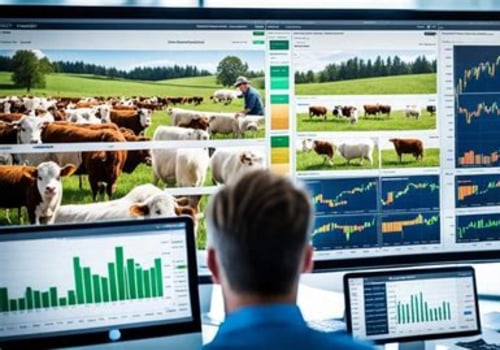
In the fast-paced world of livestock marketing, staying updated on market trends is crucial for making informed decisions. Technology plays a pivotal role in this process, offering various tools and applications that provide real-time data and analytics.One of the most effective ways to track market changes is through specialized apps for livestock market tracking. These applications allow farmers and marketers to access up-to-date information on prices, demand, and supply trends directly from their smartphones or tablets. Some popular options include:- Livestock Market News: This app provides daily updates on livestock prices across various markets, helping users make timely selling decisions.
- Cattle Market Tracker: Designed specifically for cattle producers, this app offers insights into market trends, historical data, and forecasts.
- AgriWebb: A comprehensive farm management tool that includes features for tracking livestock performance and market conditions.
These tools often include:
- Market Analysis Software: Programs like Ranch Manager or Agricultural Marketing Service (AMS) provide in-depth analysis of market trends and pricing strategies.
- Data Visualization Tools: Platforms such as Tableau or Power BI can help visualize complex data sets, making it easier to identify patterns and make predictions.
- Social Media Monitoring: Utilizing platforms like Twitter or Facebook can provide insights into consumer sentiment and emerging trends in livestock marketing.
Networking with Industry Professionals
In the ever-evolving landscape of livestock marketing, staying informed about market trends and changes is crucial for success. One of the most effective ways to achieve this is through networking with industry professionals. Building connections within the agricultural community not only enhances your knowledge but also opens doors to new opportunities.Benefits of Networking in Agriculture
- Access to Insights: Engaging with fellow livestock marketers allows you to share experiences and gain insights into market fluctuations, consumer preferences, and innovative marketing strategies.
- Collaboration Opportunities: Networking can lead to partnerships that enhance your marketing efforts, whether through joint promotions, shared resources, or collaborative events.
- Staying Informed: Industry connections often provide early access to information about regulatory changes, technological advancements, and emerging trends that could impact your business.
- Support System: Having a network of peers can offer emotional and professional support during challenging times, helping you navigate the complexities of livestock marketing.
These events are excellent venues for meeting other professionals and exchanging valuable information. Additionally, joining online forums and social media groups dedicated to livestock marketing can help you connect with a broader audience.In conclusion, actively engaging in networking not only enriches your understanding of livestock marketing but also positions you as a knowledgeable player in the industry. By fostering relationships with other professionals, you can stay ahead of market trends and make informed decisions that benefit your business.
Participating in Livestock Marketing Events and Conferences
Participating in livestock marketing events and conferences is an invaluable strategy for staying updated on market trends and changes. These gatherings provide a unique platform for professionals in the industry to share insights, discuss challenges, and explore innovative solutions.Networking Opportunities
- Attending these events allows you to connect with fellow livestock marketers, producers, and industry experts.
Building relationships can lead to collaborations and partnerships that enhance your marketing strategies.
- Engaging with peers can also provide firsthand knowledge about what is working in the field, helping you adapt your approach to current market demands.
Access to Expert Knowledge
- Conferences often feature keynote speakers and panel discussions led by industry leaders. These sessions cover a range of topics, from emerging technologies in livestock marketing to shifts in consumer preferences.
- Workshops and breakout sessions allow for deeper dives into specific areas of interest, providing practical tools and techniques that you can implement in your own marketing efforts.
Staying Ahead of Trends
- The agricultural landscape is constantly evolving. By attending livestock marketing events, you gain insights into upcoming trends that could impact your business.
- Understanding these trends early on can give you a competitive edge, allowing you to adjust your strategies proactively rather than reactively.
Benefits of Attending Agricultural Events
- In addition to learning and networking, these events often showcase the latest products and services available in the market. This exposure can help you identify tools that may enhance your marketing efforts.
- Moreover, many conferences offer continuing education credits, which can be beneficial for maintaining professional certifications.
By staying engaged with the community, you position yourself to adapt swiftly to changes in the market, ensuring long-term success in your marketing endeavors.
Continuous Education and Training Opportunities
Staying updated on market trends in livestock marketing is essential for success in this dynamic industry. Continuous education and training opportunities play a crucial role in enhancing the knowledge and skills of livestock marketers. Here are some valuable resources to consider:- Online Courses: Numerous platforms offer specialized courses focused on livestock marketing. Websites like Coursera, Udemy, and agricultural universities provide courses that cover market analysis, pricing strategies, and consumer behavior.
- Workshops and Seminars: Attending workshops and seminars hosted by agricultural organizations can provide hands-on experience and insights from industry experts.
These events often focus on current trends and best practices in livestock marketing.
- Webinars: Many agricultural extension services and industry associations host free or low-cost webinars that address specific topics related to livestock marketing. These sessions allow marketers to learn from the comfort of their homes while engaging with experts.
- Industry Publications: Subscribing to industry journals and magazines can keep you informed about the latest research, market reports, and case studies. Publications such as the Journal of Animal Science or Meat & Poultry often feature articles on market trends.
- Networking Opportunities: Joining professional organizations like the American Society of Animal Science (ASAS) or local livestock associations can provide access to valuable networking opportunities. Engaging with peers can lead to shared insights and experiences that enhance your understanding of the market.
Analyzing Market Data and Reports
In the realm of livestock marketing, staying informed about market trends is crucial for making strategic decisions.One of the most effective ways to achieve this is through the analysis of market data and reports. Understanding how to interpret these resources can significantly enhance your marketing strategies.
Understanding Market Reports
- Market Reports: These documents provide insights into current pricing, demand, and supply conditions in the livestock sector. They often include historical data, which can help identify trends over time.
- Sources: Reliable sources for market reports include government agencies, agricultural universities, and industry associations. Websites like the USDA or local extension services often publish valuable data.
How to Analyze Livestock Market Data
- Identify Key Indicators: Focus on metrics such as average prices, volume of sales, and seasonal trends.
These indicators can provide a snapshot of market health.
- Compare Historical Data: Analyzing past performance can help predict future trends. Look for patterns in pricing and demand that recur during specific times of the year.
- Utilize Analytical Tools: Employ software or online platforms that specialize in agricultural data analysis. These tools can simplify complex data sets and highlight significant trends.
- Engage with Industry Experts: Networking with other livestock marketers or attending industry conferences can provide additional insights that are not always captured in reports.
FAQs About Staying Updated on Livestock Marketing Trends
Staying updated on livestock marketing trends is crucial for anyone involved in the agricultural sector.Here are some frequently asked questions that can help you navigate this dynamic field:
- What are the best resources for livestock marketing trends? Several resources can provide valuable insights, including industry publications, agricultural extension services, and online platforms dedicated to livestock marketing. Websites like USDA, Beef Magazine, and Farm Journal often publish reports and articles on current trends.
- How often should I check for updates on livestock marketing? It’s advisable to check for updates at least once a week. Market conditions can change rapidly due to various factors such as weather, feed prices, and consumer demand.
- Are there specific events I should attend to learn about livestock marketing? Yes, attending trade shows, agricultural fairs, and industry conferences can provide firsthand knowledge of market trends. Events like the National Cattlemen's Beef Association Convention or local livestock auctions can be particularly informative.
- How can social media help in staying updated? Social media platforms like Twitter and Facebook are excellent for real-time updates.
Following industry experts, organizations, and relevant hashtags can keep you informed about the latest news and trends in livestock marketing.
Conclusion: Key Takeaways for Successful Livestock Marketing
In conclusion, staying updated on market trends and changes in livestock marketing is essential for anyone involved in the industry. The dynamic nature of the market requires producers, buyers, and sellers to be proactive in their approach to ensure success. Here are some key takeaways to consider:- Continuous Education: Engaging in ongoing education through workshops, webinars, and industry conferences can provide valuable insights into the latest trends and best practices in livestock marketing.
- Utilizing Technology: Leveraging technology such as market analysis software and mobile apps can help track real-time data and market fluctuations, allowing for informed decision-making.
- Networking: Building relationships with other professionals in the industry can lead to shared knowledge and resources. Joining local agricultural organizations or online forums can facilitate these connections.
- Market Research: Regularly conducting market research helps identify consumer preferences and emerging trends. This information is crucial for adapting marketing strategies effectively.
- Diversification: Exploring various marketing channels, such as direct-to-consumer sales or online platforms, can enhance visibility and profitability in livestock marketing.
The ability to adapt to changes and anticipate trends will ultimately lead to greater success in this competitive field.