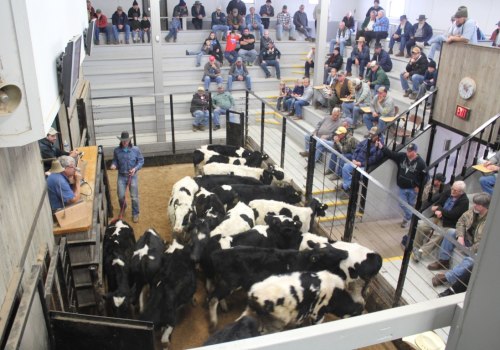
Livestock marketing is a crucial component of the agricultural sector, serving as the bridge between producers and consumers. It encompasses a range of activities aimed at promoting and selling livestock, including cattle, sheep, pigs, and poultry. Understanding the dynamics of livestock marketing is essential for farmers and ranchers who wish to maximize their profits and expand their customer base. In an industry where competition is fierce and consumer preferences are constantly evolving, effective marketing strategies can make all the difference. The importance of livestock marketing cannot be overstated.
It not only helps in establishing a brand presence but also plays a vital role in determining pricing strategies and market positioning. By effectively communicating the value of their products, livestock producers can attract a wider audience, ensuring that their animals reach the right buyers at the right time. This is particularly important in today’s market, where consumers are increasingly interested in the origins of their food and the ethical practices behind livestock production. As we delve deeper into this topic, we will explore various strategies that can be employed to enhance your livestock marketing efforts. From leveraging digital platforms to understanding market trends, these approaches will equip you with the tools necessary to thrive in a competitive landscape.
By grasping the fundamentals of livestock marketing, you will be better prepared to implement these strategies and ultimately expand your customer base.
Identifying Your Target Audience
Understanding your target audience is a fundamental step in livestock marketing. By identifying who your potential customers are, you can tailor your marketing strategies to meet their specific needs and preferences. This process begins with customer segmentation, which involves dividing your audience into distinct groups based on various criteria.Key Factors for Customer Segmentation:
- Demographics: Age, gender, income level, and education can significantly influence buying behavior in livestock marketing.
- Geographic Location: Understanding where your customers are located helps in targeting regional markets effectively.
- Behavioral Traits: Analyzing purchasing habits, brand loyalty, and product usage can provide insights into what drives your customers' decisions.
- Psycho-graphic Factors: Values, interests, and lifestyles play a crucial role in how livestock buyers perceive products and brands.
Engaging directly with potential customers allows you to gather valuable feedback on their preferences and pain points.
Utilizing Data Analytics:
In today’s digital age, leveraging data analytics tools can enhance your understanding of customer behavior. By analyzing online interactions and purchase patterns, you can identify trends that inform your marketing strategies. For instance, if data shows that a particular demographic is more inclined to purchase organic livestock products, you can adjust your offerings accordingly.Ultimately, identifying and understanding your target audience in livestock marketing not only helps in crafting effective marketing messages but also fosters stronger relationships with customers. By aligning your strategies with the needs of your audience, you can expand your customer base and drive sales growth.
Leveraging Digital Marketing Tools
In the ever-evolving landscape of livestock marketing, leveraging digital marketing tools is essential for reaching a wider audience and enhancing your visibility.By utilizing various online platforms, livestock producers can effectively connect with potential buyers and expand their customer base.
1.Social Media Marketing
- Facebook: Create a dedicated page for your livestock business where you can share updates, photos, and videos of your animals. Engaging content can attract followers and encourage shares, increasing your reach.
- Instagram: This visually-driven platform is perfect for showcasing the quality of your livestock. Use high-quality images and stories to highlight your animals and farm life, making it appealing to potential buyers.
- Twitter: Utilize Twitter for real-time updates and to engage with the agricultural community. Share industry news, tips, and insights that can position you as a knowledgeable source in livestock marketing.
2.Email Marketing
Email marketing remains a powerful tool for maintaining relationships with existing customers while reaching new ones.
Build an email list by offering valuable content such as newsletters, market reports, or exclusive offers. Regularly communicate with your audience to keep them informed about new livestock available for sale or upcoming events.
3.Online Marketplaces
Consider listing your livestock on online marketplaces specifically designed for agricultural products. Websites like LivestockMarket.com or CattleExchange.com allow you to reach a targeted audience actively looking to purchase livestock. Ensure that your listings are detailed and include high-quality images to attract potential buyers.
4.Search Engine Optimization (SEO)
Implementing SEO strategies on your website can significantly improve your visibility in search engine results.
Focus on relevant keywords related to livestock marketing, such as "buy cattle online" or "livestock auctions near me." Regularly updating your website with informative content can also help establish authority in the field.By integrating these digital marketing strategies into your overall approach, you can effectively enhance your presence in the livestock marketing sector and attract a broader customer base.
Building Strong Relationships with Customers
In the competitive world of livestock marketing, building strong relationships with customers is essential for fostering loyalty and ensuring repeat business. A solid customer relationship management strategy can significantly enhance your ability to connect with clients and understand their needs.Understanding Customer Needs
- Engage in active listening during conversations with customers to grasp their specific requirements.
- Conduct surveys or feedback sessions to gather insights on their experiences and expectations.
- Utilize data analytics to track purchasing patterns and preferences, allowing for personalized marketing approaches.
Building Trust in Livestock Sales
Trust is a cornerstone of any successful business relationship. In livestock marketing, establishing trust can be achieved through:
- Transparency: Be open about your livestock's health, breeding history, and any certifications. This honesty reassures customers about the quality of their purchase.
- Consistency: Delivering reliable products and services consistently helps reinforce trust over time.
- Communication: Maintain regular contact with customers through newsletters, updates, or personal check-ins to keep them informed and engaged.
Encouraging Customer Loyalty in Agriculture
Loyal customers are invaluable assets in livestock marketing.
To cultivate loyalty, consider the following strategies:
- Loyalty Programs: Implement programs that reward repeat purchases or referrals, incentivizing customers to return.
- Exceptional Customer Service: Provide prompt and helpful responses to inquiries or issues, demonstrating that you value their business.
- Community Engagement: Participate in local agricultural events or sponsor community initiatives to strengthen your brand presence and connect with customers on a personal level.
Utilizing Content Marketing Strategies
In the competitive world of livestock marketing, leveraging content marketing strategies can significantly enhance your ability to reach and educate potential customers. By creating valuable and informative content, you not only attract attention but also establish your authority in the livestock industry.Educational content
plays a crucial role in this strategy. Consider developing resources that address common questions and challenges faced by livestock producers.This could include:
- How-to guides on best practices for animal care and management.
- Infographics that illustrate market trends or livestock health statistics.
- Videos demonstrating effective feeding techniques or breeding practices.
- Webinars featuring experts discussing innovations in livestock production.
- The latest advancements in livestock genetics.
- Market analysis and pricing trends.
- Sustainable practices in livestock farming.
- Success stories from other producers who have effectively marketed their livestock.
Participating in Industry Events and Trade Shows
Participating in industry events and trade shows is a powerful strategy for expanding your customer base in livestock marketing.These gatherings provide unique opportunities to connect with potential customers, industry experts, and fellow marketers, all of whom can contribute to your business growth.
Benefits of Attending Trade Shows:
- Networking Opportunities: Trade shows are ideal for networking. You can meet farmers, suppliers, and buyers who are actively looking for livestock products. Building these relationships can lead to long-term partnerships.
- Market Insights: Attending industry events allows you to gain insights into current market trends and consumer preferences. This knowledge can help you tailor your marketing strategies to better meet the needs of your target audience.
- Brand Visibility: Showcasing your products at trade shows increases your brand's visibility.
A well-designed booth can attract attention and create a lasting impression on potential customers.
- Educational Opportunities: Many trade shows offer workshops and seminars led by industry leaders. Participating in these sessions can enhance your knowledge and skills, making you a more effective marketer.
Maximizing Your Participation:
- Plan Ahead: Research the events that are most relevant to your niche within livestock marketing. Consider factors such as location, audience demographics, and the types of exhibitors present.
- Engage Actively: Don’t just attend; engage with attendees. Ask questions, participate in discussions, and follow up with contacts after the event.
- Utilize Social Media: Promote your participation on social media platforms before, during, and after the event.
Use relevant hashtags to increase visibility and connect with other attendees online.
Implementing Effective Pricing Strategies
In the competitive world of livestock marketing, implementing effective pricing strategies is crucial for attracting customers while maintaining profitability. Understanding the nuances of pricing can help you position your livestock offerings in a way that appeals to a broader audience.Competitive Pricing
One of the most straightforward approaches is competitive pricing. This strategy involves analyzing the prices set by your competitors and adjusting your own prices accordingly.By keeping your prices in line with market standards, you can ensure that potential buyers view your livestock as a viable option. However, it’s essential to consider the quality and unique selling points of your livestock when employing this strategy. If your animals have superior genetics or health certifications, you may justify a higher price point.
Value-Based Pricing
Another effective strategy is value-based pricing. This approach focuses on the perceived value of your livestock rather than just the cost of production.To implement this strategy, you need to communicate the benefits and unique features of your livestock to potential buyers. For instance, if you are selling breeding stock, emphasize their lineage, health records, and performance metrics. By highlighting these aspects, you can create a narrative that justifies a premium price.
Dynamic Pricing
Dynamic pricing is another innovative strategy that can be particularly effective in livestock marketing. This involves adjusting prices based on real-time supply and demand conditions.For example, during peak seasons when demand is high, you might increase prices slightly to maximize profits. Conversely, during slower periods, offering discounts or promotions can help move inventory and attract new customers.
Bundling Offers
Consider implementing bundling offers, where you package multiple livestock or related products together at a discounted rate. This not only provides value to customers but also encourages them to purchase more than they initially intended. For example, if you're selling cattle, consider bundling them with feed or veterinary services.Ultimately, the key to successful pricing strategies in livestock marketing lies in understanding your market and being flexible enough to adapt to changing conditions.By employing a mix of competitive pricing, value-based strategies, dynamic adjustments, and bundling offers, you can effectively expand your customer base while ensuring profitability.
Using Data Analytics to Drive Decisions
In the realm of livestock marketing, leveraging data analytics is becoming increasingly essential for making informed decisions that can significantly enhance your customer base. By utilizing data analytics, marketers can gain insights into market trends, customer preferences, and overall industry dynamics.Data analytics in agriculture
allows livestock marketers to analyze various data points, such as sales history, customer demographics, and market demand. This information can be instrumental in identifying which livestock products are most appealing to different segments of the market. For instance, understanding the preferences of local buyers versus larger commercial operations can help tailor marketing strategies effectively.Utilizing Market Research
Conducting thorough market research for livestock sales is another critical aspect of using data analytics.By gathering data from surveys, social media interactions, and sales reports, marketers can pinpoint emerging trends and shifts in consumer behavior. This proactive approach enables businesses to adapt their offerings and marketing messages to align with current market demands.
- Customer Segmentation: Data analytics helps in segmenting customers based on their buying patterns and preferences, allowing for targeted marketing efforts.
- Predictive Analytics: By analyzing historical data, businesses can forecast future trends and adjust their strategies accordingly.
- Performance Tracking: Continuous monitoring of marketing campaigns through data analytics ensures that strategies remain effective and relevant.
FAQs about Expanding Customer Base in Livestock Marketing
When it comes to livestock marketing, many producers have questions about how to effectively expand their customer base.Here are some frequently asked questions that can provide valuable insights:
- What are the most effective marketing channels for livestock?
Utilizing a mix of traditional and digital marketing channels is crucial. Social media platforms, such as Facebook and Instagram, allow for direct engagement with potential customers. Additionally, attending agricultural fairs and livestock shows can help in building relationships and showcasing your animals. - How can I identify my target audience in livestock marketing?
Understanding your target audience involves researching who is most likely to purchase your livestock. This could include local farmers, ranchers, or even hobbyists.Conducting surveys or engaging with your current customers can provide insights into their needs and preferences.
- What role does branding play in expanding my customer base?
A strong brand identity can set you apart in the competitive world of livestock marketing. This includes having a memorable logo, consistent messaging, and a clear value proposition that resonates with your audience. - How important is customer service in livestock marketing?
Exceptional customer service can lead to repeat business and referrals. Being responsive to inquiries, providing detailed information about your livestock, and following up after sales can enhance customer satisfaction.
Conclusion: Key Takeaways for Successful Livestock Marketing
In conclusion, successfully expanding your customer base in livestock marketing requires a multifaceted approach that combines traditional methods with modern strategies. Here are the key takeaways to consider:- Understand Your Target Market: Knowing who your customers are and what they need is crucial.
Conduct market research to identify trends and preferences within the livestock industry.
- Leverage Digital Marketing: Utilize social media platforms, email marketing, and a well-optimized website to reach a broader audience. Engaging content can attract potential buyers and keep your current customers informed.
- Build Strong Relationships: Networking with other farmers, suppliers, and industry professionals can lead to referrals and partnerships. Attend trade shows and local events to connect with potential customers face-to-face.
- Offer Quality Products: Ensure that the livestock you market meets high standards of quality. Satisfied customers are more likely to return and recommend your services to others.
- Implement Customer Feedback: Actively seek feedback from your customers and use it to improve your offerings.
This not only enhances customer satisfaction but also builds loyalty.