Livestock marketing is a crucial component of the agricultural sector, encompassing the strategies and practices used to sell and promote livestock products. This field not only involves the direct sale of animals but also includes a variety of methods aimed at maximizing profit and ensuring that producers can effectively reach their target markets. Understanding livestock marketing is essential for farmers and ranchers who wish to thrive in a competitive environment, as it directly impacts their financial success and sustainability.The importance of livestock marketing cannot be overstated. It serves as a bridge between producers and consumers, facilitating the flow of goods while also influencing market prices.
Effective marketing strategies can help farmers identify trends, understand consumer preferences, and adapt their production accordingly. By leveraging various marketing channels, such as auctions, direct sales, and online platforms, livestock producers can enhance their visibility and attract a broader customer base.In this article, we will delve deeper into the different types of livestock marketing, exploring how each method can be utilized to optimize sales and improve overall profitability. From traditional auction systems to modern digital marketplaces, understanding these diverse approaches will equip producers with the knowledge they need to navigate the complexities of the livestock market successfully.
Direct Sales to Consumers
Direct sales to consumers represent a growing trend in livestock marketing, allowing farmers to connect with buyers without intermediaries. This method not only enhances profit margins but also fosters a closer relationship between producers and consumers.Benefits of Direct Sales
- Higher Profit Margins: By eliminating middlemen, farmers can retain a larger share of the sale price.
- Consumer Trust: Direct interactions help build trust, as consumers can learn about the farming practices and care that goes into raising livestock.
- Customization: Farmers can offer tailored products, such as specific cuts of meat or organic options, catering to consumer preferences.
Challenges in Direct Sales
- Market Access: Farmers may struggle to reach potential customers without established distribution channels.
- Regulatory Compliance: Selling directly often requires adherence to local health and safety regulations, which can be complex.
- Time-Consuming: Managing direct sales can be labor-intensive, requiring farmers to invest time in marketing and customer service.
Best Practices for Selling Livestock Directly
- Create an Online Presence: Utilize social media and websites to showcase your livestock and engage with potential customers.
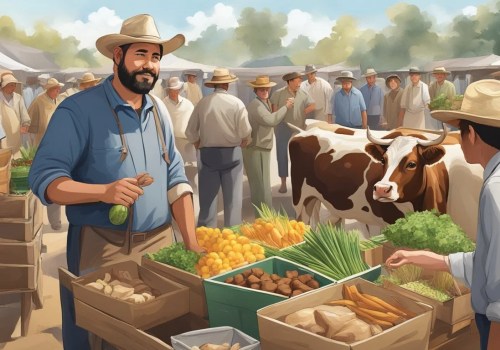
- Participate in Local Markets: Farmers' markets and community events are excellent venues for direct sales, allowing for face-to-face interactions.
- Educate Consumers: Provide information about your farming practices, the benefits of buying local, and how to prepare your products.
By focusing on building relationships and understanding consumer needs, farmers can successfully navigate this market segment.
Livestock Auctions
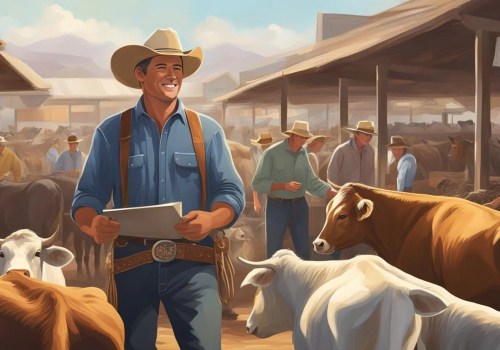
Livestock auctions serve as a vital marketplace for buying and selling various types of livestock, including cattle, sheep, pigs, and goats. These auctions provide a structured environment where sellers can present their animals to potential buyers, ensuring a fair and competitive pricing process.How livestock auctions work
typically involves several key steps:- Registration: Sellers must register their livestock with the auction house prior to the event. This includes providing details about the animals, such as breed, age, and health status.
- Inspection: Before the auction begins, animals are usually inspected by buyers or auction staff to assess their condition and quality.
- Auction Day: On the day of the auction, animals are presented in a designated area where bidders can view them. The auctioneer will start the bidding process, calling out prices and encouraging buyers to place their bids.
- Sale Completion: Once bidding concludes, the highest bidder wins the animal.
Payment is typically made immediately, and arrangements for transportation are discussed.
- Competitive Pricing: Auctions create a competitive atmosphere that can drive prices up, benefiting sellers.
- Access to a Larger Market: Sellers can reach a wider audience of potential buyers than they might through private sales.
- Transparency: The open bidding process ensures that all transactions are visible and fair.
- Expert Guidance: Many auction houses provide expert advice on pricing and marketing strategies, helping sellers maximize their profits.
Cooperative Marketing
Cooperative marketing is a strategy where farmers and livestock producers join forces to market their livestock collectively. This approach not only enhances their bargaining power but also allows them to share resources, reduce costs, and improve overall profitability.How Cooperative Marketing Works
- Farmers form a cooperative, which is an organization owned and operated by its members.
- Members pool their livestock for sale, which can lead to larger quantities being marketed at once.
- The cooperative negotiates with buyers, often securing better prices due to the increased volume.
- Members benefit from shared marketing expenses, such as advertising and transportation costs.
Benefits of Cooperative Marketing
- Increased Bargaining Power: By banding together, farmers can negotiate better prices than they could individually.
- Cost Savings: Shared resources lead to lower marketing and operational costs.
- Access to Expertise: Cooperatives often provide members with access to marketing professionals who can help develop effective strategies.
- Risk Mitigation: Pooling resources can help spread financial risk among members, making it easier to weather market fluctuations.
If not managed well, internal conflicts can arise, potentially undermining the cooperative's effectiveness.In conclusion, while cooperative livestock marketing presents numerous advantages such as enhanced bargaining power and cost savings, it requires careful management and a strong commitment from all members to ensure its success.
Online Livestock Marketing Platforms
In recent years, online livestock marketing has transformed the way farmers and ranchers sell their animals. With the advent of technology, traditional methods of livestock sales are being supplemented—and in some cases replaced—by digital platforms that offer a range of benefits.Digital platforms for livestock sales
provide farmers with the ability to reach a broader audience than ever before. Instead of relying solely on local auctions or word-of-mouth, producers can now showcase their livestock to potential buyers across the country or even internationally. This expanded reach can lead to better prices and quicker sales.One of the key advantages of using online platforms is the convenience they offer.Farmers can list their livestock at any time, manage their listings, and communicate with buyers without the need for physical presence at an auction. This flexibility allows for more efficient use of time and resources.Moreover, many e-commerce platforms dedicated to livestock marketing come equipped with features that enhance the buying experience. For instance:
- High-Quality Images and Videos: Sellers can upload detailed images and videos of their livestock, allowing buyers to assess quality before making a purchase.
- Detailed Descriptions: Listings can include comprehensive information about the animal's breed, age, health status, and breeding history.
- Real-Time Bidding: Some platforms offer live auctions where buyers can bid in real-time, creating a competitive environment that can drive up prices.
Farmers who embrace these digital tools will not only enhance their marketing strategies but also position themselves for success in an increasingly competitive marketplace.
Exporting Livestock
Exporting livestock is a significant aspect of livestock marketing that opens up numerous opportunities for farmers and ranchers. As global demand for quality meat and dairy products continues to rise, understanding the intricacies of livestock export markets becomes essential for success.One of the primary considerations in exporting livestock is compliance with international regulations. Each country has its own set of rules regarding animal health, welfare, and transportation. For instance, when exporting cattle, it is crucial to ensure that all animals are free from diseases and meet the health standards set by the importing country.This often involves rigorous testing and certification processes, which can be time-consuming but are necessary to avoid costly penalties or shipment rejections.Market demand also plays a pivotal role in determining the viability of livestock exports. Countries with growing populations and increasing meat consumption, such as those in Asia and the Middle East, present lucrative opportunities for exporters. Understanding these markets requires thorough research into consumer preferences, pricing trends, and potential competition.
- Research Target Markets: Identify countries with high demand for specific types of livestock.
- Understand Regulations: Familiarize yourself with both domestic and international export regulations.
- Build Relationships: Establish connections with importers and distributors in target markets.
- Logistics Planning: Develop a robust logistics plan to ensure timely delivery while maintaining animal welfare.
Marketing Through Value-Added Products
In the competitive world of livestock marketing, farmers can significantly enhance their income by creating value-added products.These products are derived from livestock and undergo additional processing to increase their market value. By transforming raw livestock into processed goods, farmers can tap into new markets and attract consumers looking for quality and convenience.
Value-added livestock products
can include a variety of items such as:- Processed meats: Sausages, jerky, and cured meats that offer unique flavors and preservation.
- Dairy products: Cheese, yogurt, and ice cream made from milk, which can be marketed as organic or specialty items.
- Crafted goods: Items like wool or leather products that showcase the quality of the livestock.
- Prepared meals: Ready-to-cook or ready-to-eat meals that feature meat or dairy as primary ingredients.
- Increased Profit Margins: Processed products often command higher prices than raw commodities.
- Diversification: Farmers can reduce risk by diversifying their product lines, making them less vulnerable to market fluctuations.
- Brand Loyalty: Unique products can help build a brand identity, fostering customer loyalty and repeat business.
- Market Expansion: Value-added products can open doors to new markets, including restaurants, grocery stores, and online sales platforms.
Seasonal Marketing Strategies
Understanding seasonal livestock marketing is crucial for maximizing profits and ensuring the sustainability of your farming operations.Livestock prices can fluctuate significantly throughout the year, influenced by various factors such as supply and demand, weather conditions, and consumer preferences. By aligning your sales strategies with these seasonal trends, you can optimize your returns.
Timing in livestock sales
is essential. For instance, many farmers find that selling their livestock during peak demand seasons—such as spring and early summer—can yield higher prices. This is particularly true for cattle and sheep, which are often sold in preparation for summer grilling season or holiday feasts.Conversely, selling during off-peak times may result in lower prices due to oversupply.
Identifying Seasonal Trends
To effectively navigate seasonal trends in agriculture, consider the following:- Market Research: Stay informed about market trends and consumer preferences. Attend agricultural fairs, subscribe to industry publications, and engage with local buyers to understand when demand peaks.
- Weather Patterns: Weather can significantly impact livestock health and market timing. For example, droughts may lead to earlier sales as feed becomes scarce.
- Breeding Cycles: Understanding the breeding cycles of your livestock can help you plan sales around the natural growth periods of your animals.
By planning ahead, you can ensure that your livestock are ready for sale at the most opportune times.In conclusion, leveraging seasonal marketing strategies not only enhances profitability but also contributes to a more sustainable approach to livestock management. By being proactive and informed about market dynamics, farmers can make strategic decisions that align with both consumer demand and seasonal trends.
Frequently Asked Questions about Livestock Marketing
When it comes to livestock marketing, many producers have questions that can significantly impact their success. Here are some of the most frequently asked questions:What is livestock marketing?
Livestock marketing refers to the process of selling livestock, which includes understanding market trends, pricing strategies, and the best channels for selling animals. It encompasses various methods such as auctions, direct sales, and online platforms.What are the best practices for successful livestock marketing?
- Know your market: Research local and national trends to understand what buyers are looking for.
- Build relationships: Establish connections with buyers, other producers, and industry professionals to enhance your network.
- Utilize technology: Leverage online platforms and social media to reach a broader audience.
- Maintain quality: Ensure that your livestock is healthy and well-cared for, as this can significantly affect sale prices.
- Timing is key: Sell during peak seasons when demand is high to maximize profits.
How can I determine the right price for my livestock?
Pricing your livestock appropriately requires a combination of market research and understanding your costs.Consider factors such as:
- The current market price for similar animals in your area.
- Your production costs, including feed, veterinary care, and labor.
- The quality and breed of your livestock, as premium breeds often command higher prices.
What are common mistakes in livestock marketing?
- Poor timing: Selling at the wrong time can lead to lower prices.
- Lack of preparation: Not having proper documentation or health records can deter buyers.
- Ineffective advertising: Failing to promote your livestock adequately can limit your reach.
Conclusion: The Future of Livestock Marketing
As we look towards the future of livestock marketing, it is essential to reflect on the key points discussed throughout this article. The landscape of livestock marketing is evolving rapidly, influenced by technological advancements, changing consumer preferences, and global market dynamics. One significant trend is the increasing reliance on digital platforms for marketing livestock. Farmers are now utilizing social media, online auctions, and e-commerce websites to reach a broader audience. This shift not only enhances visibility but also allows for more competitive pricing and better access to market information.Embracing Technology
Technological innovations such as blockchain and data analytics are also playing a crucial role in the future of livestock marketing.These tools can improve traceability, ensuring that consumers have access to information about the origin and quality of their meat products. Additionally, data analytics can help farmers make informed decisions about breeding, feeding, and marketing strategies.
Consumer Trends
Moreover, as consumers become more health-conscious and environmentally aware, there is a growing demand for sustainably raised livestock. Farmers who adopt sustainable practices and effectively communicate these efforts through their marketing strategies will likely gain a competitive edge in the marketplace.Conclusion
In conclusion, the future of livestock marketing holds both challenges and opportunities. By embracing technology, understanding consumer trends, and adapting to market changes, farmers can position themselves for success in an increasingly complex environment.Staying informed and flexible will be key to navigating the evolving landscape of livestock marketing.