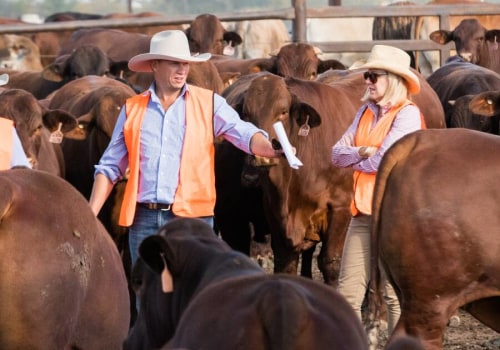
In the competitive world of livestock marketing, the quality and safety of livestock products are paramount. Consumers today are more informed and discerning than ever, seeking assurance that the products they purchase are not only nutritious but also safe for consumption. This growing awareness has made it essential for producers to prioritize high standards in their operations, ensuring that every aspect of livestock management—from breeding to processing—meets rigorous quality benchmarks. Maintaining quality in livestock products is not merely a regulatory requirement; it is a vital component of building trust with consumers. High-quality products often translate into better market prices and increased customer loyalty.
Producers who invest in quality assurance practices, such as regular health checks and proper feeding protocols, can differentiate themselves in a crowded marketplace. Furthermore, these practices contribute to the overall sustainability of livestock farming, promoting animal welfare and environmental stewardship. Equally important is the safety of livestock products, which encompasses everything from disease prevention to safe handling practices. Implementing stringent biosecurity measures and adhering to food safety regulations are critical steps in safeguarding both the animals and the end consumers. As the demand for transparency grows, consumers are increasingly interested in knowing how their food is produced, making it essential for producers to communicate their commitment to safety effectively. In summary, understanding the importance of quality and safety in livestock products is crucial for any producer looking to thrive in the livestock marketing landscape.
By prioritizing these elements, producers not only enhance their marketability but also contribute to a healthier food system overall.
Key Factors Influencing Livestock Product Quality
Ensuring the quality and safety of livestock products is a multifaceted endeavor that hinges on several key factors. Understanding these factors is essential for effective livestock marketing and maintaining consumer trust.Animal Health Management The health of livestock is paramount in determining the quality of the products they yield. Regular veterinary check-ups, vaccinations, and disease prevention strategies are crucial. Healthy animals are less likely to carry pathogens that can affect product safety.Implementing biosecurity measures helps prevent the introduction and spread of diseases within herds, ensuring that only healthy animals contribute to the food supply.Nutrition and Feed Quality The nutritional quality of feed directly impacts livestock health and, consequently, the quality of the products they produce. Livestock should be provided with a balanced diet rich in essential nutrients, vitamins, and minerals.
High-quality feed
not only promotes optimal growth but also enhances the flavor and nutritional value of meat, milk, and eggs. Regular analysis of feed components ensures that livestock receive the best possible nutrition.Environmental Conditions The environment in which livestock are raised plays a significant role in their overall well-being.Factors such as space, ventilation, and cleanliness can affect animal stress levels and health. Stress can lead to lower productivity and compromised product quality. Providing adequate shelter, clean water, and proper waste management practices contributes to a healthier living environment for livestock. In summary, focusing on animal health management, ensuring high-quality feed, and maintaining optimal environmental conditions are critical for enhancing the quality and safety of livestock products. These elements not only improve product standards but also bolster livestock marketing efforts by fostering consumer confidence in the safety and quality of the products offered.
Implementing Effective Health Management Practices
Ensuring the quality and safety of livestock products begins with effective health management practices.These practices are essential for preventing disease and maintaining the overall well-being of the animals, which directly impacts the safety of the products they produce.
Vaccination protocols
play a crucial role in livestock health management. Implementing a comprehensive vaccination schedule helps protect animals from common diseases that can compromise their health and productivity. For instance, vaccines for brucellosis, foot-and-mouth disease, and avian influenza are vital in preventing outbreaks that could devastate herds and flocks. Regularly updating vaccination records ensures that all animals receive necessary boosters on time.In addition to vaccinations, regular veterinary check-ups are indispensable.These visits allow for early detection of potential health issues, enabling prompt treatment before they escalate into more serious problems. During these check-ups, veterinarians can also provide valuable advice on nutrition, housing, and overall animal care, which are critical components of maintaining livestock health.
Disease prevention in livestock
extends beyond vaccinations and check-ups. Implementing biosecurity measures is essential to minimize the risk of disease transmission. This includes controlling access to livestock areas, maintaining cleanliness, and monitoring animal movements.Farmers should also educate their staff about recognizing signs of illness early, which can lead to quicker interventions.Furthermore, keeping detailed health records for each animal aids in tracking their health history and identifying patterns that may indicate underlying issues. This data-driven approach allows for more informed decisions regarding herd management and can significantly enhance the quality of livestock products.In conclusion, prioritizing health management practices, including vaccinations, regular veterinary care, and biosecurity measures, is essential for ensuring the safety and quality of livestock products. By investing in these practices, producers not only protect their animals but also enhance consumer confidence in their products.
The Role of Nutrition in Livestock Product Quality
Proper nutrition is a cornerstone of high-quality livestock products. The health and productivity of livestock are directly influenced by the quality of their feed, which in turn affects the quality of the products they yield, such as meat, milk, and eggs.Ensuring that livestock receive a balanced diet tailored to their specific needs is essential for optimal growth and development.
Feed Quality Impact on Livestock
- Ingredient Selection: The choice of feed ingredients plays a crucial role in determining the nutritional value of the diet. High-quality grains, legumes, and forages should be prioritized to provide essential nutrients.
- Nutrient Balance: Livestock require a mix of carbohydrates, proteins, fats, vitamins, and minerals. A well-balanced diet ensures that animals can grow efficiently and produce high-quality products.
- Digestibility: The digestibility of feed affects how well livestock can absorb nutrients. Feed that is easily digestible leads to better nutrient uptake and overall health.
- Regular Nutritional Assessments: Conducting regular assessments of feed quality and livestock health can help identify any deficiencies or imbalances in their diet.
- Consultation with Nutritionists: Working with animal nutritionists can provide insights into formulating diets that meet the specific needs of different livestock species.
- Monitoring Feed Sources: Ensuring that feed sources are reliable and free from contaminants is vital for maintaining high standards in livestock production.
This focus on livestock marketing through superior nutrition ultimately leads to better marketability and consumer trust in livestock products.
Ensuring Safe Handling and Processing of Livestock Products
Ensuring the safety and quality of livestock products begins with safe handling practices right from the farm to the consumer. Proper handling techniques are crucial in preventing contamination and maintaining the integrity of meat and dairy products.Hygiene
is a fundamental aspect of livestock product handling. Farmers and processors must adhere to strict personal hygiene standards, including regular hand washing and wearing clean clothing. Equipment used in the handling and processing of livestock should be sanitized frequently to eliminate any potential pathogens.In addition to hygiene, understanding processing standards is essential.The USDA and FDA set forth regulations that dictate how meat and dairy products should be processed. These standards include:
- Temperature control: Maintaining appropriate temperatures during storage and processing to inhibit bacterial growth.
- Cross-contamination prevention: Using separate equipment for raw and cooked products to avoid cross-contact.
- Traceability: Implementing systems that allow for tracking products from farm to table, ensuring accountability at every stage.
This not only improves product quality but also builds consumer trust in the brand.
Quality Assurance Programs in Livestock Marketing
Ensuring the quality and safety of livestock products is paramount in livestock marketing. Implementing robust quality assurance programs not only enhances consumer trust but also improves the marketability of these products. These programs typically encompass a range of practices designed to maintain high standards throughout the production process.Certification Programs
- USDA Organic Certification: This program ensures that livestock products are produced without synthetic fertilizers, pesticides, or genetically modified organisms (GMOs). It appeals to health-conscious consumers.
- Animal Welfare Approved: This certification focuses on humane treatment of animals, which is increasingly important to consumers who prioritize ethical sourcing.
- GlobalGAP: This internationally recognized standard covers food safety and sustainability, providing assurance that livestock products meet global market requirements.
Traceability in the Supply Chain
Traceability is a critical component of quality assurance in livestock marketing.
It involves tracking the journey of livestock products from farm to table, ensuring that every step adheres to safety and quality standards. Key elements include:
- Record Keeping: Maintaining detailed records of animal health, feed sources, and processing methods helps identify potential issues quickly.
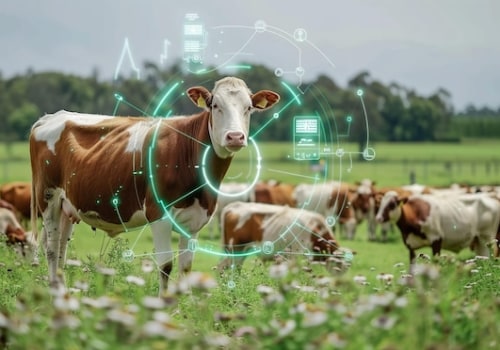
- Technology Integration: Utilizing technologies such as RFID tags and blockchain can enhance traceability, allowing consumers to verify the origin and handling of their food.
- Regular Audits: Conducting routine inspections and audits ensures compliance with established quality standards and helps identify areas for improvement.
Consumer Education and Transparency in Livestock Marketing
In the realm of livestock marketing, consumer education and transparency are paramount. As consumers become increasingly conscious of their food choices, understanding the quality and safety of livestock products is essential for building trust and loyalty.One effective way to educate consumers is through clear labeling and informative packaging.By providing detailed information about the sourcing, handling, and processing of livestock products, producers can empower consumers to make informed decisions. This includes:
- Origin Information: Clearly stating where the livestock was raised and processed helps consumers connect with their food sources.
- Production Practices: Sharing details about animal welfare practices, feed types, and antibiotic use can reassure consumers about the ethical standards upheld in production.
- Nutritional Information: Highlighting the health benefits of livestock products can enhance consumer confidence in their choices.
These platforms can cover topics like:
- The importance of sustainable farming practices.
- How to identify high-quality livestock products.
- The impact of livestock farming on local economies and environments.
FAQs About Ensuring Quality and Safety in Livestock Products
Ensuring the quality and safety of livestock products is a top priority for producers and consumers alike. Here are some frequently asked questions that can help clarify this important topic.What are the best practices for ensuring meat quality?
To ensure high-quality meat products, consider the following best practices:- Regular Health Checks: Conduct routine veterinary examinations to monitor the health of livestock.
- Proper Nutrition: Provide a balanced diet tailored to the specific needs of each species to promote optimal growth and health.
- Hygiene Standards: Maintain strict hygiene protocols in both living conditions and during processing to prevent contamination.
- Traceability: Implement a traceability system that tracks livestock from farm to table, ensuring accountability at every stage.
How can I ensure the safety of my livestock products?
Safety in livestock products can be ensured through:- Biosecurity Measures: Establish biosecurity protocols to prevent disease outbreaks, including controlling access to farms and monitoring animal movements.
- Safe Handling Practices: Train staff on safe handling techniques to minimize risks during processing and packaging.
- Regular Testing: Conduct regular testing for pathogens and contaminants to ensure compliance with safety standards.
What role does livestock marketing play in product quality?
Effective livestock marketing not only promotes products but also emphasizes quality assurance. By highlighting quality attributes in marketing materials, producers can:- Build consumer trust through transparency about production practices.
- Differentiation in the market by showcasing unique selling points such as organic or grass-fed certifications.
By following these guidelines, producers can enhance their reputation and contribute positively to the industry.
Conclusion: The Path to High-Quality Livestock Products and Successful Marketing
In conclusion, ensuring the quality and safety of livestock products is not just a regulatory requirement but a fundamental aspect of successful livestock marketing. Throughout this article, we have explored various strategies that contribute to maintaining high standards in livestock production, which ultimately enhances marketability.To recap, the following key points are essential:- Adherence to Safety Standards: Compliance with local and national regulations regarding animal health and product safety is crucial. This includes regular inspections and certifications that assure consumers of the quality of the products they purchase.
- Implementing Best Practices: Utilizing best practices in animal husbandry, feed management, and veterinary care not only improves the health of the livestock but also boosts the overall quality of the products.
- Traceability: Establishing a robust traceability system allows producers to track their products from farm to table. This transparency builds consumer trust and can significantly enhance marketing efforts.
- Consumer Education: Educating consumers about the benefits of high-quality livestock products can create a loyal customer base.
Highlighting the safety measures taken during production can further reinforce their purchasing decisions.