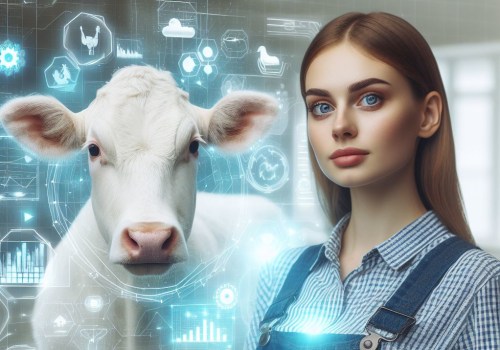
Livestock marketing is a critical component of the agricultural sector, encompassing the strategies and processes involved in selling livestock products. This includes not only the physical sale of animals but also the promotion and distribution of livestock-related goods. Understanding livestock marketing is essential for farmers and ranchers who aim to maximize their profits and ensure the sustainability of their operations. By effectively marketing their livestock, producers can connect with buyers, enhance their brand visibility, and ultimately contribute to a more robust agricultural economy. The importance of livestock marketing cannot be overstated.
It serves as a bridge between producers and consumers, facilitating the flow of goods in a way that meets market demands. In an era where consumer preferences are constantly evolving, having a solid grasp of livestock marketing strategies allows farmers to adapt to changes, ensuring that they remain competitive. Moreover, effective marketing can lead to better pricing strategies, which directly impacts the profitability of livestock operations. In essence, livestock marketing is not just about selling animals; it is about understanding market trends, consumer behavior, and the overall economic landscape. By defining what livestock marketing entails and recognizing its significance, farmers can make informed decisions that enhance their business outcomes and contribute positively to the agricultural sector as a whole.
The Economic Impact of Livestock Marketing
Livestock marketing plays a crucial role in shaping the economy, influencing various sectors and contributing to overall financial stability.The economic benefits of livestock marketing extend beyond the immediate sales of animals; they ripple through local and national markets, creating a robust framework for growth.One of the most significant impacts of livestock marketing is job creation. The industry supports a wide range of employment opportunities, from farmers and ranchers to transporters, processors, and retailers. Each step in the livestock supply chain requires skilled labor, which not only provides jobs but also fosters community development. As these jobs are created, they stimulate local economies by increasing disposable income and encouraging spending.Furthermore, livestock marketing generates substantial revenue for both local and national economies.
When livestock is sold, it contributes to the gross domestic product (GDP) and helps fund essential services such as education and infrastructure. The revenue generated from livestock sales can also be reinvested into farms, leading to improved practices and increased productivity.The financial impact of livestock sales is particularly evident during peak seasons when demand surges. Farmers who effectively market their livestock can command higher prices, which directly enhances their profitability. This profitability not only benefits individual farmers but also strengthens the agricultural sector as a whole, making it more resilient to economic fluctuations.In summary, the importance of livestock marketing cannot be overstated.
It serves as a vital engine for economic growth, driving job creation, generating revenue, and enhancing the overall health of both local and national economies. By understanding its economic impact, stakeholders can better appreciate the value of effective livestock marketing strategies.
Enhancing Profitability Through Effective Marketing Strategies
Effective livestock marketing is crucial for farmers aiming to enhance their profitability. By implementing strategic approaches, producers can significantly increase their returns on livestock sales. Here are some key strategies to consider:- Market Research: Understanding the current market trends and consumer preferences is essential.
Farmers should analyze local and regional markets to identify demand for specific livestock types, which can inform their production and marketing decisions.
- Pricing Strategies: Setting the right price is vital for maximizing profits. Farmers should consider factors such as production costs, market demand, and competitor pricing. Utilizing dynamic pricing strategies, where prices are adjusted based on market conditions, can also be beneficial.
- Value-Added Products: Diversifying offerings by creating value-added products can enhance profitability. For instance, selling processed meats or organic products can attract a premium price and cater to niche markets.
- Utilizing Technology: Leveraging technology in livestock marketing can streamline operations and improve sales.
Online platforms and social media can be powerful tools for reaching a broader audience and showcasing livestock.
- Networking and Partnerships: Building relationships with other farmers, suppliers, and buyers can open new avenues for sales. Collaborating with local businesses or participating in farmers' markets can enhance visibility and create additional revenue streams.
The Role of Technology in Livestock Marketing
In recent years, technology has revolutionized the way livestock marketing operates, making it more efficient and accessible for producers and buyers alike. The advent of digital tools has enabled farmers to reach a broader audience, streamline their sales processes, and enhance their overall marketing strategies.Online Livestock Marketing Platforms
- Platforms such as LivestockMarket.com and CattleExchange.com have emerged, allowing sellers to list their animals online, complete with detailed descriptions and high-quality images.
- These platforms facilitate real-time bidding and purchasing, which can lead to quicker sales and better prices for livestock.
- Buyers benefit from the convenience of browsing a wide selection of livestock from the comfort of their homes, making informed decisions based on comprehensive data.
Digital Tools for Livestock Sales
- Social media has become a powerful tool for livestock marketing. Producers can showcase their animals through engaging posts, videos, and live streams, reaching potential buyers directly.
- Email marketing campaigns allow sellers to keep interested buyers informed about upcoming sales or new livestock available for purchase.
- Data analytics tools help producers understand market trends and consumer preferences, enabling them to tailor their offerings accordingly.
Buyers can access vital information about the health, breeding history, and performance of livestock before making a purchase. This level of detail builds trust between sellers and buyers, ultimately leading to more successful sales.As the industry continues to evolve, embracing these technological advancements will be crucial for livestock producers aiming to stay competitive in a rapidly changing market. By leveraging online platforms and digital tools effectively, they can maximize their reach and improve their sales outcomes.
Challenges in Livestock Marketing
Livestock marketing is a vital aspect of the agricultural industry, yet it comes with its own set of challenges that can hinder farmers from achieving optimal sales. Understanding these obstacles is crucial for developing effective strategies to navigate the market.One of the primary challenges in livestock marketing is fluctuating market prices.Prices can vary significantly based on demand, seasonality, and economic conditions, making it difficult for farmers to predict their potential earnings. This unpredictability can lead to financial strain, especially for those who rely heavily on livestock sales for their income.Another significant issue is the lack of access to information. Many farmers may not have the resources or knowledge to stay updated on market trends, pricing strategies, and consumer preferences. This gap in information can result in poor decision-making and missed opportunities for better sales.Additionally, logistical challenges such as transportation and storage can complicate the selling process.
Farmers often face difficulties in getting their livestock to market efficiently, which can lead to increased costs and reduced profit margins. Furthermore, maintaining the health and quality of livestock during transport is essential but can be challenging.
Potential Solutions:
- Market Research: Engaging in thorough market research can help farmers understand pricing trends and consumer demands, allowing them to make informed decisions.
- Networking: Building relationships with other farmers and industry professionals can provide valuable insights and support in navigating the complexities of livestock marketing.
- Utilizing Technology: Leveraging technology such as online platforms for marketing and selling livestock can expand reach and improve efficiency.
- Education and Training: Participating in workshops or training programs focused on livestock marketing can equip farmers with essential skills and knowledge.
Best Practices for Successful Livestock Marketing
Effective livestock marketing is crucial for farmers looking to maximize their profits and ensure the sustainability of their operations. Here are some best practices to enhance your livestock marketing efforts:- Understand Your Market: Research your target audience and understand their needs. Knowing what buyers are looking for can help you tailor your offerings accordingly.
- Utilize Social Media: Platforms like Facebook, Instagram, and Twitter can be powerful tools for showcasing your livestock.
Share high-quality images and videos, and engage with potential buyers through comments and messages.
- Build a Strong Brand: Establishing a recognizable brand can set you apart from competitors. Use consistent branding across all marketing materials, including logos, colors, and messaging.
- Network with Other Farmers: Collaborating with fellow farmers can provide valuable insights and opportunities. Attend local agricultural fairs, trade shows, and community events to build relationships.
- Leverage Online Marketplaces: Consider listing your livestock on online platforms that cater to agricultural sales. Websites dedicated to livestock auctions can expand your reach beyond local buyers.
- Provide Detailed Information: When marketing your livestock, include comprehensive details such as breed, age, health status, and feeding practices.
Transparency builds trust with potential buyers.
Future Trends in Livestock Marketing
The future of livestock marketing is being shaped by a variety of innovative trends that are transforming how farmers and ranchers connect with buyers. As technology continues to evolve, so too do the strategies employed in the agricultural sector.One significant trend is the increasing use of digital platforms for livestock sales. Online marketplaces are becoming more popular, allowing farmers to reach a broader audience without the geographical limitations of traditional sales methods. This shift not only enhances visibility but also provides farmers with valuable data analytics to better understand market demands.Another emerging trend is the integration of blockchain technology in livestock marketing.This innovation offers enhanced transparency and traceability in the supply chain, which is crucial for consumers who are increasingly concerned about food safety and ethical sourcing. By utilizing blockchain, farmers can provide verifiable information about their livestock, thereby building trust with buyers.
Innovations in livestock sales
also include the use of artificial intelligence (AI) and machine learning. These technologies can analyze market trends and consumer preferences, enabling farmers to make informed decisions about pricing and marketing strategies. For instance, AI can predict demand fluctuations based on historical data, helping farmers optimize their sales timing.Moreover, sustainability is becoming a key focus in agricultural marketing.
Consumers are more inclined to support brands that prioritize environmentally friendly practices. As a result, livestock producers are adopting sustainable farming methods and promoting these practices as part of their marketing strategy.In conclusion, staying ahead in the competitive landscape of livestock marketing requires an understanding of these future trends. By embracing digital tools, leveraging new technologies, and focusing on sustainability, farmers can enhance their market presence and ensure long-term success.
Frequently Asked Questions about Livestock Marketing
Understanding livestock marketing can be crucial for farmers and ranchers looking to maximize their profits and ensure the sustainability of their operations. Here are some frequently asked questions that can help clarify this important topic:- What is livestock marketing?
Livestock marketing refers to the process of selling livestock, which includes understanding market trends, pricing strategies, and the best times to sell.It encompasses various methods such as auctions, direct sales, and online platforms.
- Why is livestock marketing important?
Effective livestock marketing helps producers achieve better prices for their animals, manage supply and demand effectively, and ultimately improve their profitability. It also allows them to build relationships with buyers and understand market dynamics. - What factors influence livestock prices?
Prices can be influenced by several factors including feed costs, seasonal demand, market competition, and overall economic conditions. Understanding these factors can help producers make informed decisions about when and how to sell their livestock. - How can I improve my livestock marketing strategy?
To enhance your strategy, consider conducting market research, attending industry events, networking with other producers, and utilizing digital marketing tools. Staying informed about market trends will also help you make timely decisions. - What are common mistakes in livestock marketing?
Common mistakes include not understanding the market before selling, failing to diversify sales channels, and neglecting to build relationships with buyers.Avoiding these pitfalls can lead to more successful sales outcomes.
Conclusion: The Importance of Livestock Marketing for Sustainable Agriculture
In conclusion, livestock marketing plays a pivotal role in the sustainability and profitability of the agricultural sector. As we have explored throughout this article, effective marketing strategies not only enhance the visibility of livestock products but also ensure that farmers receive fair prices for their hard work.One of the key takeaways is that understanding market trends and consumer preferences can significantly impact a farmer's ability to sell their livestock. By leveraging data and analytics, farmers can make informed decisions that align with market demands, ultimately leading to better financial outcomes.Moreover, livestock marketing fosters stronger connections between producers and consumers. This relationship is essential for building trust and loyalty, which can translate into repeat business and long-term success.Farmers who engage in transparent marketing practices are more likely to attract conscientious consumers who value quality and ethical sourcing.
- Enhances Profitability: Effective marketing strategies can lead to higher sales and better profit margins.
- Supports Sustainable Practices: By promoting sustainable livestock production methods, farmers can appeal to a growing market of environmentally conscious consumers.
- Encourages Innovation: The competitive nature of livestock marketing drives farmers to innovate, improving their practices and products.