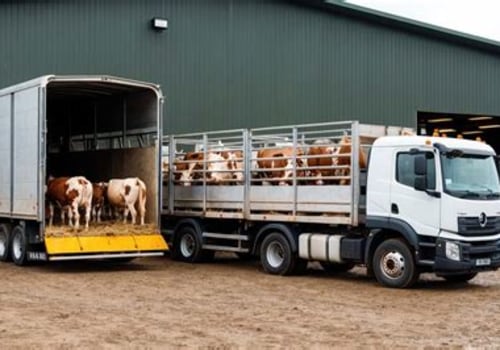
In the ever-evolving landscape of agriculture, livestock marketing stands out as a critical component that directly influences the profitability and sustainability of farming operations. Traditionally, livestock marketing involved face-to-face transactions at local auctions or through word-of-mouth networks. However, the advent of technology has revolutionized these practices, making them more efficient and accessible than ever before. As farmers and ranchers seek to maximize their returns, understanding the impact of technology on livestock marketing becomes essential. The integration of digital tools and platforms has transformed how livestock is bought and sold.
From online auctions to social media marketing, technology has opened new avenues for reaching potential buyers beyond geographical limitations. This shift not only enhances market access for producers but also allows consumers to make informed purchasing decisions based on real-time data and insights. As a result, digital livestock marketing is becoming a vital strategy for those looking to thrive in a competitive marketplace. Moreover, advancements in data analytics and mobile applications have empowered livestock producers to track market trends, manage inventory, and optimize pricing strategies effectively. By leveraging these technological innovations, farmers can respond swiftly to market demands and improve their overall operational efficiency.
As we delve deeper into this topic, it is crucial to explore specific technological advancements that are shaping the future of livestock marketing and their implications for both producers and consumers alike.
The Traditional Landscape of Livestock Marketing
The history of livestock marketing is deeply rooted in traditional practices that have evolved over centuries. Initially, livestock was sold through direct sales between farmers and buyers, often taking place at local markets or farms. This method allowed for personal interaction, where buyers could inspect the animals before making a purchase.One of the most significant developments in traditional livestock marketing was the establishment of livestock auctions. These auctions became popular in the 19th century, providing a structured environment for buying and selling animals.Farmers would bring their livestock to auction houses, where they were sold to the highest bidder. This method not only increased competition among buyers but also helped establish market prices based on supply and demand.During these auctions, various factors influenced market trends, including the quality of the livestock, breed popularity, and seasonal demand. For instance, certain breeds might fetch higher prices during specific times of the year when demand surged, such as before holidays or during breeding seasons.Moreover, traditional livestock marketing relied heavily on word-of-mouth and community reputation. Farmers built their businesses on trust and relationships within their local communities.
Buyers often preferred to purchase from known sellers who had established a reputation for quality and reliability.Despite its effectiveness, traditional methods faced challenges such as limited reach and accessibility. Farmers in remote areas struggled to access larger markets, which often restricted their potential profits. Understanding this historical context is essential for appreciating how technology has transformed livestock marketing, enabling broader access and more efficient transactions.
Emergence of Digital Platforms in Livestock Marketing
The rise of digital platforms has revolutionized livestock marketing, providing farmers and ranchers with innovative tools to connect with buyers more efficiently than ever before. Traditional methods of selling livestock often involved physical auctions, which could be time-consuming and limited by geographical constraints.However, the emergence of online auctions has transformed this landscape.
Online auctions
allow sellers to showcase their livestock to a broader audience, breaking down regional barriers. Buyers can now participate in auctions from anywhere, increasing competition and potentially driving up prices for high-quality animals. These platforms often feature detailed listings with photographs, health records, and performance data, enabling buyers to make informed decisions without the need for in-person inspections.In addition to online auctions, the integration of e-commerce solutions in agriculture has further enhanced livestock marketing. Farmers can now create their own online storefronts, allowing them to sell livestock directly to consumers or businesses.This direct-to-consumer model not only increases profit margins by eliminating middlemen but also fosters a closer relationship between producers and buyers.
- Benefits of Digital Platforms:
- Wider Reach: Access to national and international markets.
- Convenience: 24/7 access to listings and bidding.
- Transparency: Clear information on livestock health and history.
- Challenges:
- Technology Adoption: Some traditional farmers may struggle with digital tools.
- Market Saturation: Increased competition can make it harder for individual sellers to stand out.
Data Analytics and Market Insights
In the realm of livestock marketing, data analytics has emerged as a transformative force, enabling producers to gain critical market insights that were previously unattainable. By leveraging advanced analytics tools, farmers can analyze vast amounts of data related to market trends, consumer preferences, and pricing fluctuations.Data analytics in agriculture
allows livestock producers to track historical pricing data, assess demand patterns, and identify optimal selling times. This information is crucial for making informed decisions that can significantly impact profitability.For instance, by understanding seasonal trends in meat consumption, farmers can time their sales to coincide with peak demand periods, maximizing their returns.Moreover, technology plays a pivotal role in enhancing livestock pricing. With the integration of real-time data feeds and predictive analytics, producers can receive up-to-date information on market conditions. This enables them to adjust their pricing strategies dynamically, ensuring they remain competitive while also capitalizing on favorable market conditions.
- Consumer Preferences: Data analytics helps farmers understand what consumers are looking for in terms of quality, sustainability, and pricing.
- Market Trends: By analyzing trends over time, producers can anticipate shifts in demand and adjust their production accordingly.
- Risk Management: Access to comprehensive data allows farmers to mitigate risks associated with price volatility and market fluctuations.
Social Media's Role in Livestock Marketing
In the realm of livestock marketing, social media has emerged as a transformative tool, enabling farmers and ranchers to connect with potential buyers in innovative ways.Platforms like Facebook, Instagram, and Twitter allow producers to showcase their livestock, share success stories, and engage directly with consumers.
Social media livestock marketing
strategies can vary widely, but several key approaches have proven effective:- Visual Storytelling: High-quality images and videos of livestock can capture attention and convey the quality of the animals. Farmers can share behind-the-scenes content that highlights their farming practices, which builds trust and authenticity.
- Engagement through Content: Regularly posting updates, educational content, and interactive polls can foster a sense of community. Engaging with followers through comments and messages helps to create lasting relationships.
- Utilizing Hashtags: Using relevant hashtags can increase visibility. For instance, hashtags like #LivestockForSale or #FarmFresh can help reach a broader audience interested in purchasing livestock.
- Collaborations and Partnerships: Partnering with influencers or other farmers can expand reach.
Collaborative posts or joint promotions can introduce products to new audiences.
By leveraging these platforms effectively, they can enhance their visibility, build strong relationships with customers, and ultimately drive sales in an increasingly digital marketplace.
Mobile Technology and Livestock Management Apps
In recent years, mobile technology has revolutionized the way farmers manage their livestock operations. With the advent of livestock management apps, farmers can now access vital information and tools right from their smartphones, making it easier to monitor and optimize their herds.Mobile apps for farmers
provide a range of functionalities that enhance productivity and efficiency. These applications allow users to track animal health, manage breeding schedules, and monitor feed consumption. By having real-time data at their fingertips, farmers can make informed decisions that directly impact their livestock marketing strategies.- Health Monitoring: Many livestock management apps include features for tracking vaccinations, illnesses, and overall health metrics.
This data is crucial for ensuring that animals are market-ready.
- Breeding Management: Apps can help farmers keep detailed records of breeding cycles, which is essential for improving herd quality and maximizing profitability.
- Feed Management: By monitoring feed intake and nutritional needs, farmers can optimize feeding strategies to enhance growth rates and overall animal performance.
As these technologies continue to evolve, they will undoubtedly play an even more critical role in shaping the future of agriculture.
Challenges and Considerations in Digital Livestock Marketing
As the landscape of livestock marketing evolves with technological advancements, farmers and ranchers face a variety of challenges that can hinder their ability to effectively adopt these new tools. Understanding these challenges is crucial for making informed decisions about integrating technology into their marketing strategies.1.Technology Adoption Issues
- Cost of Implementation: The initial investment required for new technologies can be significant. Many farmers may struggle to allocate funds for software, hardware, or training, especially in a market where profit margins are already tight.
- Learning Curve: Adopting new technologies often requires a shift in mindset and skill set. Farmers may find it challenging to learn how to use digital marketing tools effectively, which can lead to frustration and resistance to change.
- Access to Resources: In rural areas, access to high-speed internet and modern devices can be limited.
This digital divide can prevent some farmers from fully engaging in digital livestock marketing.
2.Digital Marketing Risks
- Data Security: With the increasing reliance on online platforms, concerns about data privacy and security have become paramount. Farmers must ensure that their customer information and business data are protected from cyber threats.
- Market Saturation: As more producers turn to digital platforms, the competition intensifies. Standing out in a crowded marketplace can be difficult, requiring innovative strategies and consistent engagement with potential buyers.
- Reputation Management: Negative reviews or feedback can spread quickly online, impacting a farmer's reputation. Managing online presence and responding to customer inquiries promptly is essential but can be time-consuming.
By understanding these issues, producers can better prepare themselves for the digital landscape and leverage technology to enhance their marketing efforts.
Future Trends in Livestock Marketing Technology
As we look to the future, livestock marketing is poised for significant transformation driven by emerging technologies. Farmers and marketers alike are beginning to embrace innovations that not only streamline operations but also enhance the overall efficiency of the livestock supply chain.Integration of Artificial Intelligence
One of the most promising trends is the integration of artificial intelligence (AI)Blockchain for TransparencyAnother emerging technology is blockchain, which offers a transparent and secure way to track livestock from farm to market.This technology can enhance consumer trust by providing verifiable information about the origin and treatment of animals. As consumers become more conscious about food sourcing, blockchain could play a crucial role in livestock marketing.
Digital Platforms and E-commerce
The rise of digital platforms is also reshaping how livestock is marketed. Online marketplaces allow farmers to reach a broader audience, facilitating direct sales to consumers and reducing reliance on traditional auction systems. This shift not only increases competition but also empowers farmers to set their prices based on real-time market conditions.Data-Driven Decision Making
With the advent of big data, farmers can now access detailed analytics regarding market trends, consumer preferences, and even climate impacts on livestock production.Utilizing this data enables producers to tailor their marketing strategies effectively, ensuring they meet the evolving demands of the marketplace.
Sustainability and Ethical Practices
As sustainability becomes a focal point in agriculture, technologies that promote ethical farming practices will likely gain traction in livestock marketing. Innovations such as precision farming tools can help reduce waste and improve resource management, appealing to environmentally conscious consumers.In conclusion, the future of livestock marketing is bright with potential as emerging technologies continue to evolve. By embracing these innovations, farmers can not only enhance their operational efficiency but also adapt to changing consumer expectations and market dynamics.Conclusion: The Transformative Power of Technology in Livestock Marketing
In conclusion, the impact of technology on livestock marketing has been nothing short of revolutionary. As we have explored throughout this article, advancements in digital platforms, data analytics, and communication tools have transformed how livestock is bought and sold.These innovations not only streamline the marketing process but also enhance transparency and efficiency, benefiting both sellers and buyers.
Key Takeaways:
- Digital Platforms: The rise of online marketplaces has expanded the reach of livestock sellers, allowing them to connect with a broader audience beyond their local markets.
- Data Analytics: Utilizing data-driven insights enables producers to make informed decisions regarding pricing, breeding, and marketing strategies, ultimately leading to better profitability.
- Communication Tools: Enhanced communication channels facilitate quicker negotiations and transactions, reducing the time livestock spends on the market.
- Traceability: Technology has improved traceability in livestock production, assuring buyers of the quality and safety of their purchases.