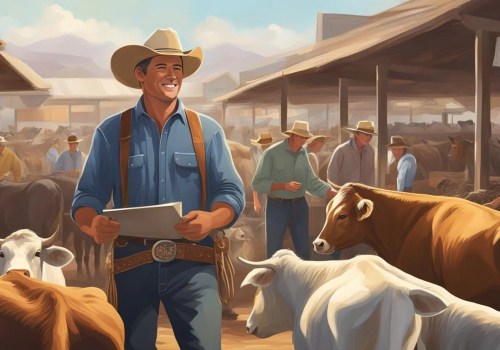
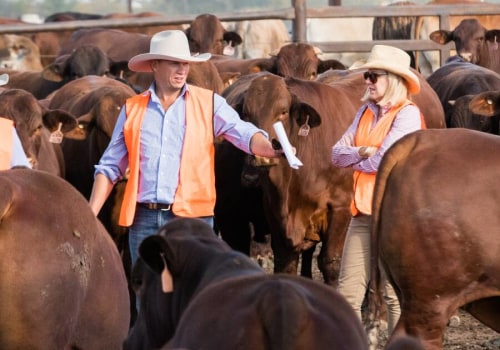
Livestock marketing is a crucial aspect of the agricultural sector that involves the buying and selling of farm animals, such as cattle, sheep, and pigs. It encompasses a variety of activities, including auctions, direct sales, and online platforms, all aimed at connecting farmers and ranchers with potential buyers. Understanding livestock marketing is essential for anyone involved in animal husbandry, as it directly impacts profitability and sustainability in farming operations. The definition of livestock marketing extends beyond mere transactions; it includes strategies for pricing, promotion, and distribution of livestock products. Effective livestock marketing not only helps farmers achieve better prices for their animals but also enhances their ability to respond to market demands.
This adaptability is vital in a fluctuating market where consumer preferences can shift rapidly. The importance of livestock marketing cannot be overstated. It serves as a bridge between producers and consumers, ensuring that high-quality livestock reaches the market efficiently. By leveraging various marketing channels, farmers can maximize their reach and tap into new customer bases. Additionally, understanding market trends allows ranchers to make informed decisions about breeding and production practices, ultimately leading to improved herd quality and increased revenue.
The Economic Benefits of Livestock Marketing
Effective livestock marketing plays a crucial role in enhancing the economic viability of farmers and ranchers.By understanding and leveraging market trends, producers can significantly increase their profitability in livestock sales.
Market trends
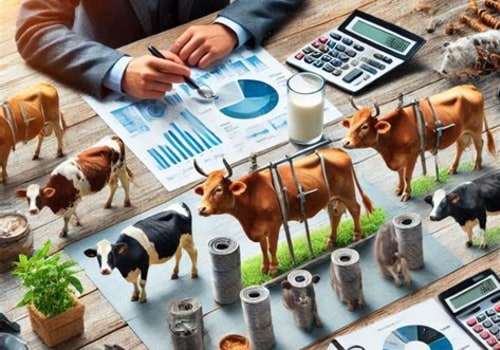
are essential for farmers to stay competitive. Keeping an eye on consumer preferences, seasonal demands, and pricing fluctuations allows ranchers to make informed decisions about when to sell their livestock. For instance, selling during peak demand periods can lead to higher prices, maximizing revenue.Additionally, employing strategic pricing strategies can further enhance profitability. Farmers who utilize tools such as market analysis and historical data can set competitive prices that reflect current market conditions.This not only helps in achieving better sales but also builds a reputation for fair pricing among buyers.
- Increased Revenue: By aligning sales with market demand, farmers can achieve higher prices for their livestock.
- Diverse Marketing Channels: Utilizing various platforms such as auctions, direct sales, and online marketplaces can broaden the customer base and enhance sales opportunities.
- Risk Management: Understanding market trends allows ranchers to mitigate risks associated with price drops or oversupply situations.
Enhancing Market Access Through Livestock Marketing
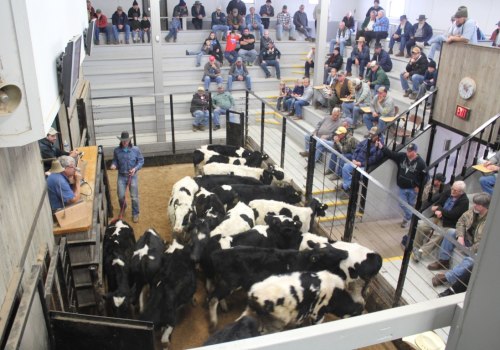
Livestock marketing plays a crucial role in enhancing market access for farmers and ranchers, enabling them to connect with a wider array of potential buyers. By utilizing various marketing channels, producers can effectively reach their target audience and maximize their profits.One of the primary avenues for livestock marketing is through direct sales.This method allows farmers to sell their animals directly to consumers, restaurants, or retailers, eliminating intermediaries and ensuring that they receive a fair price for their livestock. Direct sales can take place at farmers' markets, on-farm sales, or through community-supported agriculture (CSA) programs. This approach not only increases profit margins but also fosters a closer relationship between producers and consumers.Another significant channel is livestock auctions. Auctions provide a platform for farmers to showcase their animals to a competitive bidding audience.
This method can be particularly beneficial for those who may not have established direct sales channels. Auctions often attract buyers from various regions, increasing the likelihood of selling livestock at favorable prices. However, it is essential for farmers to understand the auction process and market trends to make informed decisions.In recent years, the rise of online platforms has transformed livestock marketing. Websites and social media have become powerful tools for farmers to advertise their livestock to a broader audience.
Online marketing allows producers to reach potential buyers beyond their local area, tapping into national or even international markets. This shift not only enhances visibility but also provides farmers with valuable data on consumer preferences and market demands.Ultimately, by leveraging these diverse livestock marketing channels, farmers and ranchers can significantly improve their market access. Whether through direct sales, auctions, or online platforms, each method offers unique advantages that can lead to increased profitability and sustainability in the agricultural sector.
Building Relationships with Buyers and Consumers
In the realm of livestock marketing, establishing strong relationships with buyers and consumers is crucial for farmers and ranchers. These relationships not only enhance sales but also foster trust and loyalty, which are essential for long-term success.Building Buyer Relationships
- Direct Communication: Engaging directly with buyers allows farmers to understand their needs and preferences.
This can lead to tailored marketing strategies that resonate more effectively with the target audience.
- Feedback Mechanisms: Implementing feedback systems helps farmers gauge buyer satisfaction and make necessary adjustments to their offerings, ensuring they meet market demands.
- Consistent Quality: By maintaining high standards in livestock quality, farmers can build a reputation that attracts repeat buyers, creating a reliable customer base.
Enhancing Consumer Trust
- Transparency: Providing clear information about farming practices, animal welfare, and product sourcing can significantly enhance consumer trust. Buyers are increasingly interested in knowing where their food comes from.
- Brand Storytelling: Sharing the story behind the farm or ranch can create an emotional connection with consumers, making them more likely to choose your products over competitors.
- Sustainability Practices: Highlighting sustainable farming practices not only appeals to environmentally conscious consumers but also positions farmers as responsible stewards of the land.
Networking Opportunities
- Industry Events: Participating in livestock shows, fairs, and trade shows provides opportunities for farmers to network with potential buyers and other industry stakeholders.
- Online Platforms: Utilizing social media and online marketplaces can expand reach and facilitate connections with a broader audience, including direct-to-consumer sales.
- Collaborative Marketing: Partnering with other local producers for joint marketing efforts can enhance visibility and attract more buyers through shared resources.
Utilizing Technology in Livestock Marketing
In today's fast-paced agricultural landscape, technology in livestock marketing has become a game-changer for farmers and ranchers. By leveraging digital tools and platforms, producers can enhance their marketing strategies, reach broader audiences, and ultimately increase their profitability.One of the most significant advancements in this area is the rise of online livestock sales platforms.These platforms allow farmers to showcase their livestock to potential buyers across the globe, breaking geographical barriers that once limited their market reach. With just a few clicks, sellers can upload high-quality images, detailed descriptions, and health records of their animals, making it easier for buyers to make informed decisions.Moreover, digital marketing for farmers has opened up new avenues for engagement. Social media channels like Facebook and Instagram enable ranchers to connect with consumers directly, share their stories, and promote their livestock. This not only builds brand loyalty but also fosters a community around sustainable farming practices.Additionally, utilizing data analytics tools can help farmers understand market trends and consumer preferences.
By analyzing data on pricing, demand fluctuations, and buyer behavior, ranchers can make more informed decisions about when to sell their livestock and at what price. This strategic approach minimizes losses and maximizes returns.In conclusion, embracing technology in livestock marketing is no longer optional; it is essential for success in the modern agricultural economy. By adopting online platforms and digital marketing strategies, farmers and ranchers can optimize their sales processes and ensure they remain competitive in an ever-evolving market.
Challenges in Livestock Marketing and How to Overcome Them
Livestock marketing presents several challenges for farmers and ranchers, which can significantly impact their profitability and sustainability. Understanding these challenges is crucial for developing effective strategies to overcome them.Market Fluctuations
are one of the most pressing issues in livestock marketing.Prices can vary widely due to factors such as supply and demand, seasonal trends, and global market conditions. To mitigate the impact of these fluctuations, farmers should consider implementing forward contracting, which allows them to lock in prices ahead of time, providing more financial stability. Another challenge is the lack of market access. Many small-scale farmers struggle to reach larger markets or compete with larger operations. Building relationships with local buyers, participating in farmers' markets, and utilizing online platforms can enhance visibility and create new sales opportunities.
Quality Control
is also a significant concern.Ensuring that livestock meets market standards is essential for successful sales. Farmers can address this by investing in proper animal husbandry practices, regular health checks, and maintaining detailed records of their livestock's lineage and health history. Additionally, information asymmetry can hinder effective marketing. Farmers may not have access to the latest market data or trends, making it difficult to make informed decisions. Joining cooperative associations or utilizing agricultural extension services can provide valuable insights and resources. Lastly, regulatory challenges, such as compliance with health and safety standards, can complicate livestock marketing efforts.
Staying informed about local regulations and seeking assistance from industry experts can help navigate these complexities. By recognizing these challenges and implementing strategic solutions, farmers and ranchers can enhance their livestock marketing efforts, ultimately leading to improved profitability and sustainability in their operations.
Case Studies: Successful Livestock Marketing Strategies
In the realm of livestock marketing, real-world examples can provide invaluable insights into effective strategies. Here are a few case studies that highlight successful approaches taken by farmers and ranchers.Case Study 1: The Smith Family Farm
The Smith Family Farm, located in Texas, implemented a direct-to-consumer marketing strategy that significantly increased their revenue. By utilizing social media platforms and a user-friendly website, they showcased their grass-fed beef products. They also offered subscription boxes, which allowed customers to receive regular deliveries of fresh meat.This approach not only built a loyal customer base but also enhanced their brand visibility.
Case Study 2: Green Valley Ranch
Green Valley Ranch in Colorado adopted a cooperative marketing model with neighboring farms. By pooling resources, they created a joint marketing campaign that emphasized local and sustainable practices. This collaboration allowed them to participate in larger farmers' markets and community events, attracting more customers than they could have individually. Their success demonstrates the power of community in livestock marketing.Case Study 3: Hilltop Dairy
Hilltop Dairy in Wisconsin focused on niche marketing by producing organic dairy products.They invested in certifications and highlighted their sustainable farming practices through storytelling on their website and social media. By targeting health-conscious consumers, they were able to command higher prices for their products, showcasing how specialization can lead to increased profitability.
Best Practices Derived from These Case Studies
- Utilize Digital Platforms: Leverage social media and websites to reach a broader audience.
- Collaborate with Peers: Consider cooperative marketing to enhance visibility and share costs.
- Niche Marketing: Identify and target specific consumer segments for higher profit margins.
- Storytelling: Use compelling narratives about your farming practices to connect with consumers emotionally.
Future Trends in Livestock Marketing
The future of livestock marketing is poised for significant transformation, driven by technological advancements and changing consumer preferences. As farmers and ranchers adapt to these shifts, several key trends are emerging that will shape the landscape of agricultural sales.- Digital Platforms: The rise of online marketplaces is revolutionizing how livestock is bought and sold. Farmers can now reach a broader audience through digital platforms, allowing for more competitive pricing and increased transparency in transactions.
- Data-Driven Decisions: The integration of data analytics in livestock marketing enables producers to make informed decisions based on market trends, consumer behavior, and pricing strategies.
This data-centric approach helps optimize sales and improve profitability.
- Sustainability Focus: As consumers become more environmentally conscious, there is a growing demand for sustainably raised livestock. Marketing strategies that highlight sustainable practices can attract a niche market willing to pay a premium for ethically sourced products.
- Social Media Engagement: Social media platforms are becoming essential tools for livestock marketing. Farmers can showcase their operations, share success stories, and engage directly with consumers, building brand loyalty and trust.
- Innovative Marketing Strategies: New marketing techniques, such as influencer partnerships and storytelling, are gaining traction. By leveraging these strategies, farmers can create compelling narratives around their products that resonate with consumers.
Embracing innovation in livestock marketing not only enhances sales opportunities but also positions producers to thrive in an increasingly competitive marketplace.
Frequently Asked Questions about Livestock Marketing
Livestock marketing can be a complex topic, and many farmers and ranchers have questions about how to navigate it effectively. Here are some frequently asked questions that can help clarify the process and benefits of livestock marketing.- What is livestock marketing?
Livestock marketing refers to the process of selling farm animals, such as cattle, sheep, and pigs, to buyers. This can occur through various channels, including auctions, direct sales, or online platforms. The goal is to maximize profits while ensuring the animals are sold in a timely manner. - How can I start livestock marketing?
To begin livestock marketing, farmers should first assess their herd and understand the market demand for their specific animals.Researching local markets, attending livestock auctions, and networking with other farmers can provide valuable insights. Additionally, utilizing social media and online marketplaces can expand reach.
- What are the benefits of effective livestock marketing?
Effective livestock marketing can lead to higher sales prices, improved cash flow, and better overall profitability. By understanding market trends and consumer preferences, farmers can position their livestock more strategically. - What common mistakes should I avoid in livestock marketing?
Some common mistakes include not researching market prices before selling, failing to maintain proper animal health and condition prior to sale, and neglecting to promote their livestock effectively. Farmers should also avoid waiting too long to sell when market conditions are favorable.
This knowledge not only helps in making informed decisions but also enhances their ability to capitalize on market opportunities.