Livestock marketing plays a crucial role in the agricultural sector, serving as the bridge between producers and consumers. It encompasses a range of activities aimed at promoting and selling livestock, including cattle, sheep, pigs, and poultry. Understanding what livestock marketing entails is essential for farmers and ranchers who wish to maximize their profits and ensure the sustainability of their operations. Effective marketing strategies not only enhance the visibility of livestock products but also help in establishing fair pricing and building strong relationships with buyers. The importance of livestock marketing cannot be overstated.
It directly impacts the economic viability of farming operations, influencing everything from production decisions to market access. In a competitive marketplace, farmers must be adept at identifying trends, understanding consumer preferences, and utilizing various marketing channels to reach their target audience. This dynamic environment requires continuous adaptation and innovation to meet changing demands. As we delve deeper into the intricacies of livestock marketing, it becomes evident that while there are numerous opportunities for growth and profit, there are also significant challenges that producers must navigate. These challenges can range from fluctuating market prices to regulatory hurdles, each presenting unique obstacles that can affect profitability and market stability.
By exploring these issues further, we can gain a comprehensive understanding of the landscape of livestock marketing and the strategies necessary for success.
Market Fluctuations and Price Volatility
In the realm of livestock marketing, one of the most significant challenges faced by producers is the issue of market fluctuations and price volatility. These fluctuations can be attributed to a variety of factors that influence both supply and demand in the market.Supply and Demand Dynamics:
The basic economic principle of supply and demand plays a crucial role in determining livestock prices. When there is an oversupply of livestock, prices tend to drop, making it difficult for producers to maintain profitability. Conversely, when demand exceeds supply, prices can surge, benefiting sellers but potentially alienating buyers.Economic Conditions:
Broader economic conditions also impact livestock marketing.Factors such as inflation, interest rates, and overall economic growth can affect consumer purchasing power and preferences. For instance, during economic downturns, consumers may opt for cheaper protein sources, leading to decreased demand for certain types of livestock.
Consumer Preferences:
Shifts in consumer preferences can further complicate price volatility. As more consumers become health-conscious or environmentally aware, they may favor organic or grass-fed options over conventional livestock products. This shift can create disparities in demand across different livestock categories, affecting prices unevenly.Global Market Influences:
Additionally, global market trends can have a ripple effect on local livestock prices.Changes in trade policies, international demand for meat products, and even disease outbreaks in livestock populations can lead to sudden price changes that producers must navigate.In conclusion, understanding the complexities of market fluctuations and price volatility is essential for anyone involved in livestock marketing. By staying informed about these factors, producers can better strategize their marketing efforts and mitigate potential losses.
Regulatory Challenges in Livestock Marketing
Livestock marketing is significantly influenced by a variety of regulatory challenges that can impact the efficiency and profitability of the industry. Understanding these regulations is crucial for producers, marketers, and stakeholders involved in the livestock sector.Health and Safety Standards
are among the foremost regulations affecting livestock marketing. These standards are designed to ensure that animals are healthy and free from diseases that could affect both animal welfare and public health.Compliance with these standards often requires rigorous testing and documentation, which can be time-consuming and costly for producers.Additionally, environmental regulations play a critical role in livestock marketing. Farmers must adhere to laws governing waste management, land use, and emissions. Non-compliance can lead to hefty fines and even the suspension of marketing activities. As consumers become more environmentally conscious, adherence to these regulations is not just a legal obligation but also a market expectation.
Government policies
on livestock trade can also pose challenges.Tariffs, import/export restrictions, and trade agreements can all influence market access for livestock products. For instance, changes in trade policies can create uncertainty in pricing and availability, making it difficult for marketers to plan effectively.Moreover, compliance in livestock marketing often requires staying updated with evolving regulations at both state and federal levels. This necessitates ongoing education and adaptation, which can strain resources for smaller operations. The complexity of navigating these regulatory landscapes can deter new entrants into the market, thereby limiting competition.In summary, while regulations are essential for ensuring safety and sustainability in livestock marketing, they also present significant challenges that require careful management and strategic planning by all stakeholders involved.
Access to Markets and Distribution Channels
Accessing markets and distribution channels is a significant challenge in livestock marketing.Many small-scale producers struggle to find reliable outlets for their products, which can limit their profitability and growth potential. This section explores the various barriers that hinder effective access to livestock markets.
Logistical Issues
- Transportation: The lack of efficient transportation options can severely impact the ability of livestock producers to reach markets. Long distances, poor road conditions, and high transportation costs can deter farmers from selling their livestock.
- Storage Facilities: Inadequate storage facilities for feed and livestock can lead to spoilage and increased costs, making it difficult for producers to maintain a steady supply for market demands.
Competition from Larger Producers
- Market Power: Larger producers often have more resources and better access to distribution networks, allowing them to dominate local markets. This can create an uneven playing field where small-scale farmers struggle to compete on price and quality.
- Brand Recognition: Established brands have the advantage of consumer trust and recognition, making it challenging for new entrants in the livestock marketing space to gain traction.
Regulatory Barriers
- Licensing and Compliance: Navigating the regulatory landscape can be daunting for small producers.
Compliance with health and safety regulations often requires significant investment in infrastructure and training.
- Market Access Regulations: Different regions may have varying regulations regarding livestock sales, which can complicate efforts to expand into new markets.
Consumer Trends and Preferences
In recent years, consumer trends have significantly influenced the landscape of livestock marketing. As consumers become more health-conscious and environmentally aware, their preferences in meat consumption are evolving, prompting producers to adapt their marketing strategies accordingly.One notable trend is the increasing demand for organic and sustainably sourced meat products. Consumers are now more inclined to purchase livestock products that are certified organic or come from farms that practice sustainable farming methods.This shift not only affects the types of livestock that producers choose to raise but also how they market their products. Producers must emphasize their commitment to sustainability and animal welfare in their marketing campaigns to attract these conscientious consumers.Additionally, there is a growing interest in plant-based diets, which has led to a decline in red meat consumption among certain demographics. This trend poses a challenge for livestock marketers who must find ways to appeal to a broader audience while still catering to traditional meat consumers. Strategies may include highlighting the nutritional benefits of meat, promoting local sourcing, or offering a variety of meat options that align with diverse dietary preferences.The impact of consumer behavior on livestock marketing cannot be overstated.
As consumers increasingly rely on social media and online platforms for information and purchasing decisions, livestock marketers must enhance their digital presence. Engaging content that showcases the story behind the product, including farm practices and animal care, can resonate well with consumers and build brand loyalty.In conclusion, understanding and adapting to changing consumer trends and preferences is crucial for successful livestock marketing. Producers who stay attuned to these shifts will not only meet consumer demands but also position themselves favorably in a competitive market.
Technological Advancements and Their Impact
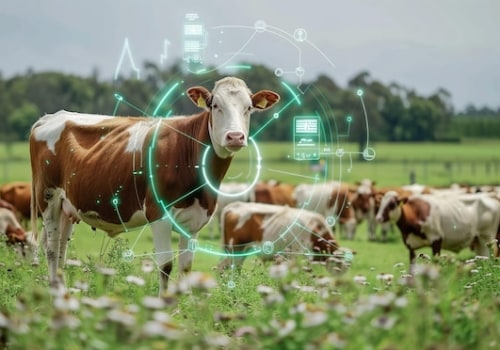
The landscape of livestock marketing is undergoing a significant transformation due to rapid technological advancements. These innovations are not only enhancing the efficiency of sales processes but also expanding the reach of livestock producers to potential buyers.One of the most notable changes is the rise of online sales platforms.Farmers and ranchers can now list their livestock on various digital marketplaces, allowing them to connect with buyers across the globe. This shift from traditional auction houses to online platforms has democratized access to markets, enabling smaller producers to compete with larger operations.Additionally, the integration of data analytics into livestock marketing strategies is proving invaluable. Producers can analyze market trends, consumer preferences, and pricing data to make informed decisions about when and how to sell their animals. This data-driven approach not only maximizes profits but also minimizes risks associated with market fluctuations.
- Enhanced Visibility: Digital tools allow for better visibility of livestock offerings, making it easier for buyers to find what they need.
- Real-Time Transactions: Technology facilitates real-time transactions, reducing the time between listing and sale.
- Improved Communication: Online platforms often include features that enhance communication between buyers and sellers, fostering trust and transparency.
With smartphones and tablets, they can update listings, respond to inquiries, and even conduct transactions while on the go. This flexibility is crucial in today’s fast-paced market environment.In conclusion, the impact of technology on agriculture, particularly in livestock marketing, cannot be overstated. As these tools continue to evolve, they will likely play an even more critical role in shaping the future of livestock sales, making it essential for producers to adapt and embrace these changes.
Sustainability Concerns in Livestock Production
As the demand for livestock marketing continues to grow, sustainability concerns have emerged as a critical factor influencing both production practices and consumer choices. The environmental impact of livestock production is significant, contributing to greenhouse gas emissions, deforestation, and water pollution.These issues compel producers to adopt more sustainable practices, which in turn affect their marketing strategies.One of the primary challenges in livestock marketing is addressing the environmental impact associated with traditional farming methods. For instance, intensive animal farming can lead to soil degradation and loss of biodiversity. To combat these effects, many producers are shifting towards regenerative agriculture practices that promote soil health and reduce carbon footprints. This transition not only benefits the environment but also appeals to a growing segment of consumers who prioritize sustainability in their purchasing decisions.Moreover, ethical concerns in the meat industry play a significant role in shaping consumer perceptions and preferences.
Issues such as animal welfare and humane treatment are increasingly influencing buying behavior. Consumers are more likely to support brands that demonstrate a commitment to ethical practices, such as free-range farming or organic certification. As a result, livestock marketers must effectively communicate their sustainability efforts and ethical standards to build trust and loyalty among consumers.
- Transparency: Providing clear information about farming practices can enhance consumer confidence.
- Certification: Obtaining certifications related to sustainability can differentiate products in a crowded market.
- Consumer Education: Educating consumers about the benefits of sustainable livestock production can drive demand.
Strategies to Overcome Marketing Challenges
Overcoming the challenges in livestock marketing requires a multifaceted approach that incorporates various strategies tailored to the unique needs of the agricultural sector.Here are some effective strategies to enhance your livestock marketing efforts:
- Diversification of Products: Expanding your product range can help mitigate risks associated with market fluctuations. Consider offering different types of livestock or value-added products such as organic meat or dairy. This not only attracts a broader customer base but also stabilizes income streams.
- Branding and Storytelling: Establishing a strong brand identity is crucial in livestock marketing. Share your story—how you raise your animals, your farming practices, and your commitment to sustainability.
This personal touch can resonate with consumers and foster loyalty.
- Building Relationships with Consumers: Engage directly with your customers through social media, farm tours, or local markets. Building trust and transparency can lead to repeat business and word-of-mouth referrals, which are invaluable in agriculture.
- Utilizing Technology: Leverage digital marketing tools to reach a wider audience. Social media platforms, email newsletters, and online marketplaces can enhance visibility and facilitate sales. Additionally, consider using data analytics to understand consumer preferences and adjust your marketing strategies accordingly.
- Networking with Other Farmers: Collaborate with fellow farmers to share resources, knowledge, and marketing strategies.
Joint promotions or cooperative selling can amplify your reach and reduce individual marketing costs.
Conclusion: Key Takeaways on Livestock Marketing Challenges
In summary, the landscape of livestock marketing is fraught with various challenges that can significantly impact the success of producers and marketers alike. Understanding these challenges is crucial for anyone involved in the industry.- Market Fluctuations: Prices for livestock can be highly volatile, influenced by factors such as supply and demand, feed costs, and global market trends. Producers must stay informed and adaptable to navigate these fluctuations effectively.
- Regulatory Compliance: Adhering to local, state, and federal regulations can be daunting. Compliance with health standards, animal welfare laws, and marketing practices is essential but often complex.
- Consumer Preferences: The shift in consumer preferences towards organic and sustainably sourced products poses a challenge for traditional livestock marketing strategies.
Marketers must be agile in responding to these changing demands.
- Technological Advancements: While technology offers new opportunities for marketing, it also requires producers to invest in training and resources to effectively utilize digital platforms and data analytics.
- Competition: The livestock market is increasingly competitive, with both local and international players vying for market share. Differentiating products through branding and quality is vital for success.