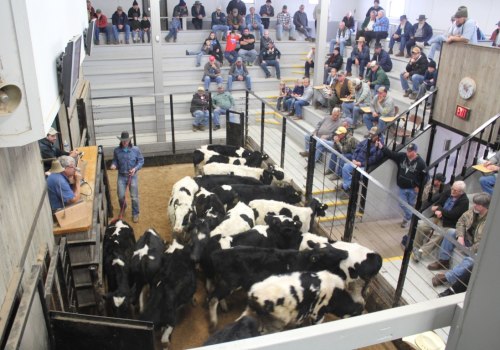
In the competitive landscape of livestock marketing, understanding and addressing customer feedback is not just beneficial; it is essential for long-term success. Customers today are more informed and vocal than ever, and their experiences can significantly influence the reputation and profitability of a livestock business. When customers express their opinions—whether positive or negative—they provide invaluable insights that can help businesses refine their offerings, improve service quality, and ultimately enhance customer satisfaction. Moreover, effective handling of customer complaints can transform a potentially damaging situation into an opportunity for growth. When a livestock marketer actively listens to feedback, they demonstrate a commitment to customer care that fosters loyalty and trust.
This proactive approach not only mitigates the risk of losing customers but also encourages them to share their positive experiences with others, amplifying word-of-mouth marketing. In essence, the importance of feedback in livestock marketing cannot be overstated. It serves as a critical tool for identifying areas of improvement and innovation. By embracing customer feedback as a cornerstone of their business strategy, livestock marketers can create a more responsive and adaptive business model that meets the evolving needs of their clientele.
Common Types of Customer Complaints in Livestock Marketing
In the realm of livestock marketing, understanding the common types of customer complaints is crucial for maintaining a positive relationship with clients and ensuring business success. Here are some prevalent issues that may arise:- Quality Concerns: Customers often express dissatisfaction regarding the quality of livestock.
This can include issues such as health problems, poor physical condition, or discrepancies between the advertised and actual quality.
- Pricing Discrepancies: Complaints about pricing are common, especially if customers feel they are not receiving fair value for their purchase. This can stem from unexpected price increases or lack of transparency in pricing structures.
- Delivery Issues: Timeliness and condition upon delivery are critical in livestock marketing. Delays or livestock arriving in poor condition can lead to significant customer dissatisfaction.
- Lack of Communication: Customers may feel frustrated if they do not receive timely updates regarding their orders or if their inquiries go unanswered. Effective communication is key to managing expectations.
- Misrepresentation: If livestock is misrepresented in terms of breed, age, or health status, customers may feel deceived.
This can severely damage trust and lead to complaints.
Strategies for Handling Customer Complaints Effectively
In the realm of livestock marketing, effectively handling customer complaints is crucial for maintaining a positive reputation and fostering long-term relationships. Here are some actionable strategies to address complaints and feedback:- Listen Actively: When a customer voices a complaint, it’s essential to listen without interruption. This shows respect and allows you to fully understand their concerns.
- Empathize: Acknowledge the customer's feelings.
Phrases like "I understand how frustrating this must be for you" can go a long way in diffusing tension.
- Respond Promptly: Timeliness is key in livestock marketing. Aim to respond to complaints as quickly as possible, ideally within 24 hours. This demonstrates that you value their feedback.
- Provide Clear Solutions: After understanding the issue, offer clear and actionable solutions. Whether it’s a refund, replacement, or another form of compensation, make sure the customer knows what steps will be taken.
- Follow Up: After resolving the issue, follow up with the customer to ensure they are satisfied with the solution.
This not only shows that you care but also helps in building trust.
The Role of Technology in Managing Customer Feedback
In the realm of livestock marketing, effectively managing customer feedback is crucial for maintaining a positive reputation and fostering long-term relationships.Technology plays a pivotal role in this process, offering various tools and solutions that streamline feedback collection and resolution.
Digital platforms
such as social media, email, and dedicated feedback apps allow livestock marketers to gather insights directly from customers. These platforms not only facilitate immediate communication but also enable businesses to monitor sentiment in real-time. By leveraging these technologies, marketers can quickly identify trends in customer complaints and address them proactively.Moreover, utilizing customer relationship management (CRM) systems can enhance the feedback management process. CRMs help track interactions with customers, categorize feedback, and analyze data to identify recurring issues.This systematic approach allows livestock marketers to prioritize complaints based on urgency and impact, ensuring that critical issues are resolved swiftly.Another valuable tool is survey software, which can be used to solicit structured feedback from customers after transactions. By designing targeted surveys that focus on specific aspects of the livestock marketing experience, businesses can gain deeper insights into customer satisfaction levels and areas needing improvement.Furthermore, implementing chatbots on websites or social media platforms can provide instant responses to common inquiries or complaints. This not only enhances customer experience by providing immediate assistance but also frees up human resources for more complex issues that require personal attention.In conclusion, integrating technology into the feedback management process is essential for effective livestock marketing. By utilizing digital solutions such as CRM systems, survey tools, and chatbots, businesses can enhance their ability to collect, analyze, and respond to customer feedback efficiently.
This proactive approach not only resolves complaints more effectively but also builds trust and loyalty among customers.
Building a Feedback Loop: Continuous Improvement in Livestock Marketing
In the realm of livestock marketing, establishing a robust feedback loop is essential for fostering continuous improvement. This process not only enhances customer satisfaction but also drives business growth by aligning services with client expectations.To create an effective feedback loop, consider the following steps:- Collect Feedback Regularly: Utilize surveys, social media, and direct communication to gather insights from customers. Ask specific questions about their experiences with your livestock marketing practices, including product quality, service delivery, and overall satisfaction.
- Analyze Feedback: Once feedback is collected, analyze the data to identify trends and common issues. Look for patterns that indicate areas needing improvement or aspects that are particularly well-received.
- Implement Changes: Based on your analysis, make necessary adjustments to your marketing strategies.
This could involve refining your messaging, enhancing customer service training, or even adjusting pricing structures to better meet customer needs.
- Communicate Changes: Inform your customers about the changes made in response to their feedback. This not only shows that you value their input but also builds trust and loyalty.
- Monitor Results: After implementing changes, continue to monitor customer responses and satisfaction levels. This ongoing evaluation will help you determine the effectiveness of your adjustments and guide future improvements.
Case Studies: Successful Complaint Management in Livestock Marketing
Effective complaint management in livestock marketing can significantly enhance customer satisfaction and loyalty.Here are a few case studies that illustrate successful strategies employed by businesses in this sector.
Case Study 1: Green Pastures Farm
Green Pastures Farm faced a situation where a batch of livestock was reported to have health issues shortly after purchase. Instead of ignoring the complaints, the management promptly initiated a thorough investigation. They contacted the affected customers, offering them immediate refunds or replacements. Additionally, they provided educational resources on livestock care to prevent future issues.This proactive approach not only resolved the immediate complaints but also strengthened their reputation as a trustworthy supplier.
Case Study 2: Heritage Livestock Co.
Heritage Livestock Co. implemented a feedback loop through social media and direct surveys to gather insights from their customers. When they received negative feedback regarding delivery times, they took swift action by optimizing their logistics and improving communication with clients about expected delivery dates. As a result, customer satisfaction scores increased by 30% within six months, showcasing the importance of listening to customer feedback.Case Study 3: Farm Fresh Meats
Farm Fresh Meats encountered complaints about product quality from several customers.Instead of dismissing these concerns, they organized focus groups to understand the root causes. The insights gained led them to revise their quality control processes and enhance staff training. Following these changes, they launched a marketing campaign highlighting their commitment to quality, which not only addressed past complaints but also attracted new customers who valued transparency.These case studies demonstrate that effective complaint management in livestock marketing involves active listening, prompt action, and continuous improvement. By addressing customer concerns head-on and using feedback as a tool for growth, businesses can turn potential crises into opportunities for building stronger relationships with their clients.
Frequently Asked Questions About Customer Complaints in Livestock Marketing
Handling customer complaints in livestock marketing is crucial for maintaining a positive reputation and ensuring customer satisfaction.Here are some frequently asked questions regarding this topic:
- What should I do if a customer complains about the quality of livestock?
First, listen carefully to the customer's concerns and gather all relevant information. Assess the situation and determine if the complaint is valid. If it is, offer a solution such as a replacement or refund, depending on your policy. - How can I effectively communicate with customers who are unhappy?
Use clear and empathetic communication. Acknowledge their feelings and reassure them that their feedback is valued.Maintain a professional tone and provide timely responses to their inquiries.
- What are some common complaints in livestock marketing?
Common complaints may include issues related to livestock health, discrepancies in weight or size, and delivery delays. Understanding these common issues can help you prepare better responses. - How can I prevent complaints from arising?
To minimize complaints, ensure that you provide accurate information about your livestock, maintain high standards of care, and communicate clearly about delivery timelines. Regularly check in with customers post-purchase to address any potential issues early.
Conclusion: The Impact of Effective Complaint Management on Livestock Marketing Success
In conclusion, effectively managing customer complaints and feedback is crucial for the success of livestock marketing. Throughout this article, we have explored various strategies that not only address customer concerns but also enhance overall business performance. First and foremost, establishing a robust feedback mechanism allows livestock marketers to gain valuable insights into customer preferences and pain points.By actively listening to customers, businesses can tailor their offerings to better meet market demands, ultimately leading to increased customer satisfaction and loyalty. Moreover, prompt and transparent communication during the complaint resolution process fosters trust. When customers feel heard and valued, they are more likely to remain loyal to a brand, even after a negative experience. This loyalty can translate into repeat business and positive word-of-mouth referrals, which are invaluable in the competitive landscape of livestock marketing.Additionally, leveraging technology can streamline complaint management processes. Utilizing customer relationship management (CRM) systems enables marketers to track complaints efficiently and analyze trends over time.
This data-driven approach not only helps in resolving current issues but also aids in preventing future ones. Finally, it is essential to view complaints as opportunities for improvement rather than setbacks. By embracing a culture of continuous improvement, livestock marketers can refine their practices, enhance product quality, and ultimately drive sales. In summary, effective complaint management is not just about resolving issues; it is a strategic component that can significantly impact the long-term success of livestock marketing. By prioritizing customer feedback and fostering a responsive environment, businesses can thrive in an ever-evolving market.